At Chambers, we offer comprehensive soil testing to assess the physical and engineering properties of your site’s soil. Our services are essential for designing safe, effective foundations. Using advanced technology and expert analysis, we provide precise, reliable data to guide construction decisions and minimize potential risks.
What We Do for Soil Testing Services
Our soil testing services are designed to reveal the essential characteristics of your project site’s soil, ensuring optimal design and performance of foundations. We focus on:
Risk Mitigation
Identifying potential issues early in the design process to avoid costly delays and structural challenges.
Ensuring Safety & Effectiveness
Providing data to support foundation design that meets engineering standards and project requirements.
Evaluating Soil Properties
Through a series of standardized tests to determine the soil’s behavior under load.
By providing accurate and detailed data, we empower engineers and developers to create optimized, resilient designs tailored to the unique conditions of your site.
Our Key Services
Shear Strength Tests
Understanding the soil’s resistance to shear forces is key to foundation stability:
Triaxial Tests: Determine the soil’s shear strength under controlled conditions.
Direct Shear Tests: Evaluate how soil samples behave when subjected to shear forces.
Data Analysis: Assess the potential for soil failure and inform the design of safe, robust foundations.
Consolidation Tests
Assessing how soil compresses under load is essential for predicting settlement:
Oedometer Tests: Measure the rate and magnitude of soil consolidation under different pressures.
Settlement Predictions: Provide vital data to forecast long-term settlement behavior.
Design Recommendations: Help engineers design foundations that accommodate or mitigate settlement
Permeability Tests
Determining the rate at which water flows through soil helps in foundation and drainage design:
Constant and Falling Head Tests: Evaluate the permeability of soils under varying conditions.
Drainage Performance: Inform the design of effective drainage and waterproofing systems.
Environmental Impact: Assess potential water flow issues that could impact structural stability or nearby ecosystems
How We Do Our Soil Testing services
Our systematic approach ensures that every soil test delivers accurate, actionable insights:
3. Laboratory Analysis
Samples undergo a series of standardized tests in our state-of-the-art laboratory.
2. Sample Collection
Our team collects representative soil samples using advanced, minimally invasive techniques.
1. Initial Consultation
We begin by understanding your project’s requirements, location, and specific soil concerns.
5. Comprehensive Reporting
We compile our findings into detailed reports, offering clear recommendations for foundation design and construction.
4. Data Interpretation
Our experienced engineers analyze the test results to determine key soil parameters.
Innovation & Technology
We use cutting-edge technology to enhance the accuracy and efficiency of our soil testing services:
Advanced Testing Equipment
Advanced Testing Equipment
Advanced Testing Equipment
High-precision instruments ensure reliable and repeatable results.
Digital Data Integration
Digital Data Integration
Digital Data Integration
Our analysis is supported by robust software that helps visualize soil behavior and trends.
Automated Reporting
Automated Reporting
Automated Reporting
Streamlined systems enable quick turnaround times and clear communication of results.
Continuous Research
Continuous Research
Continuous Research
We invest in ongoing R&D to refine testing methodologies and incorporate new standards.
Industries We Serve
Our soil testing expertise benefits a diverse range of projects and sectors:
Government & Municipalities
Providing essential data for public infrastructure projects, ensuring the longevity and safety of public buildings and roads.
Residential & Commercial Developments
Supporting the design and construction of housing, retail, and mixed-use developments with reliable soil data for robust foundations.
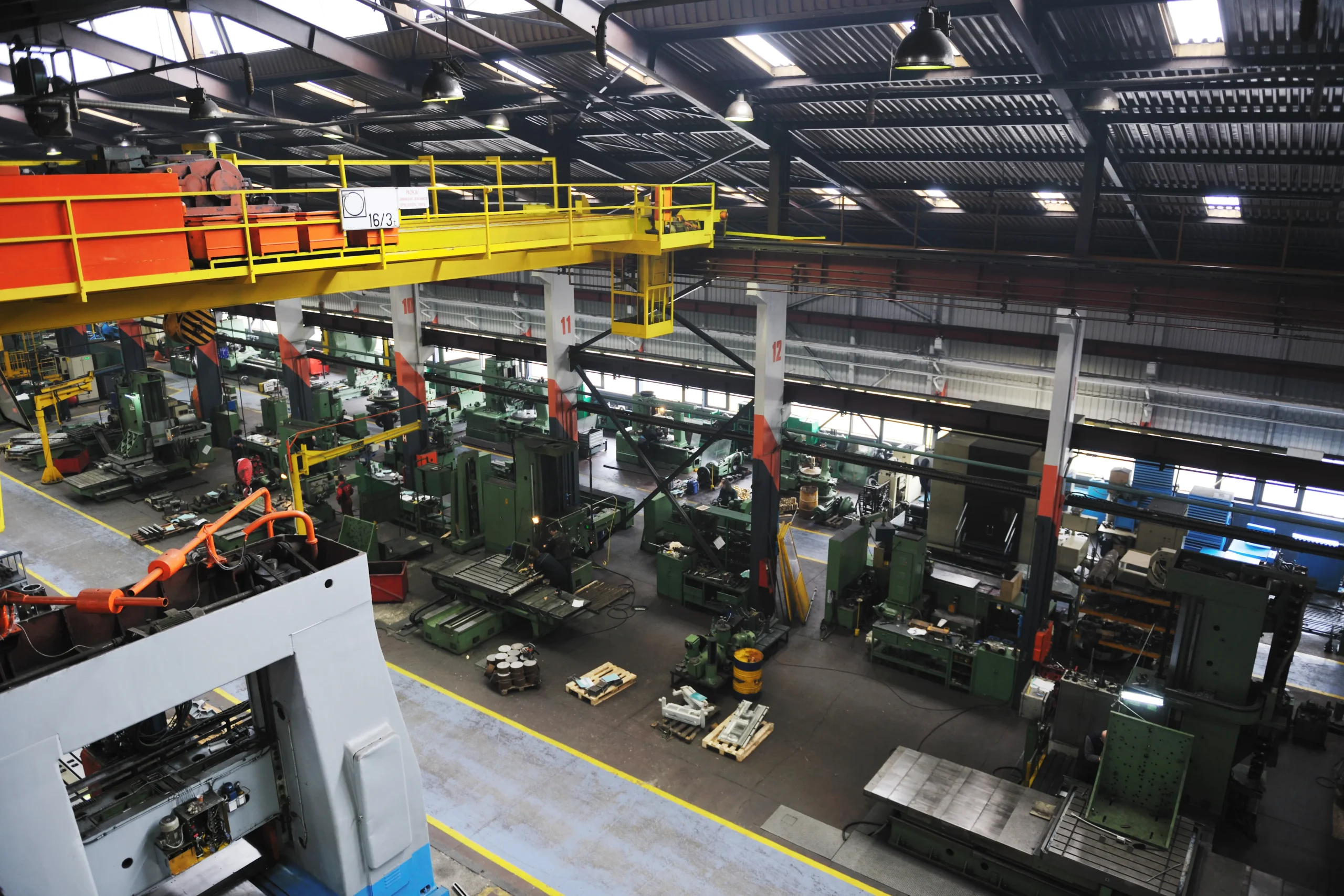
Industrial & Manufacturing Facilities
Ensuring that heavy-duty industrial structures are built on solid ground, reducing downtime and maintenance costs.
Transportation & Infrastructure
Assisting in the design of safe and durable transportation networks by understanding soil behavior under varying loads.
Environmental & Remediation Projects
Evaluating soil conditions for projects focused on environmental restoration and sustainable land use.
Why Soil Testing is Important
Soil testing is a crucial step in any construction project:
Regulatory Compliance
Comprehensive investigations ensure adherence to local, state, and national building standards.
Risk Mitigation
Early detection of potential issues minimizes risks, preventing costly delays and structural problems.
Informed Decision-Making
Detailed data on soil and groundwater conditions allows for optimized design and construction plans.
Environmental Stewardship
Sustainable ground investigations help protect natural resources and ensure minimal environmental impact.
Cost Efficiency
Accurate data prevents over-engineering and reduces material wastage, saving money in the long term.
Investing in thorough soil testing lays the groundwork for resilient and sustainable construction projects.
FAQs
Have questions? We have answers:
Why is soil testing important for foundation design?
Soil testing provides critical data on soil properties such as shear strength, consolidation behavior, and permeability, which are essential for designing safe and effective foundations.
What types of tests are performed during soil testing?
We conduct shear strength tests, consolidation tests, and permeability tests to evaluate the soil’s behavior and suitability for construction.
How do the results of soil tests impact construction?
The results inform engineers about the optimal foundation design, potential settlement issues, and drainage requirements, ensuring long-term stability and cost efficiency.
For additional questions, please visit our FAQ page or contact our team directly.
Contact Us
Ready to ensure your project is built on a solid foundation? Reach out today to discuss your soil testing requirements, request a quote, or learn more about our comprehensive services.
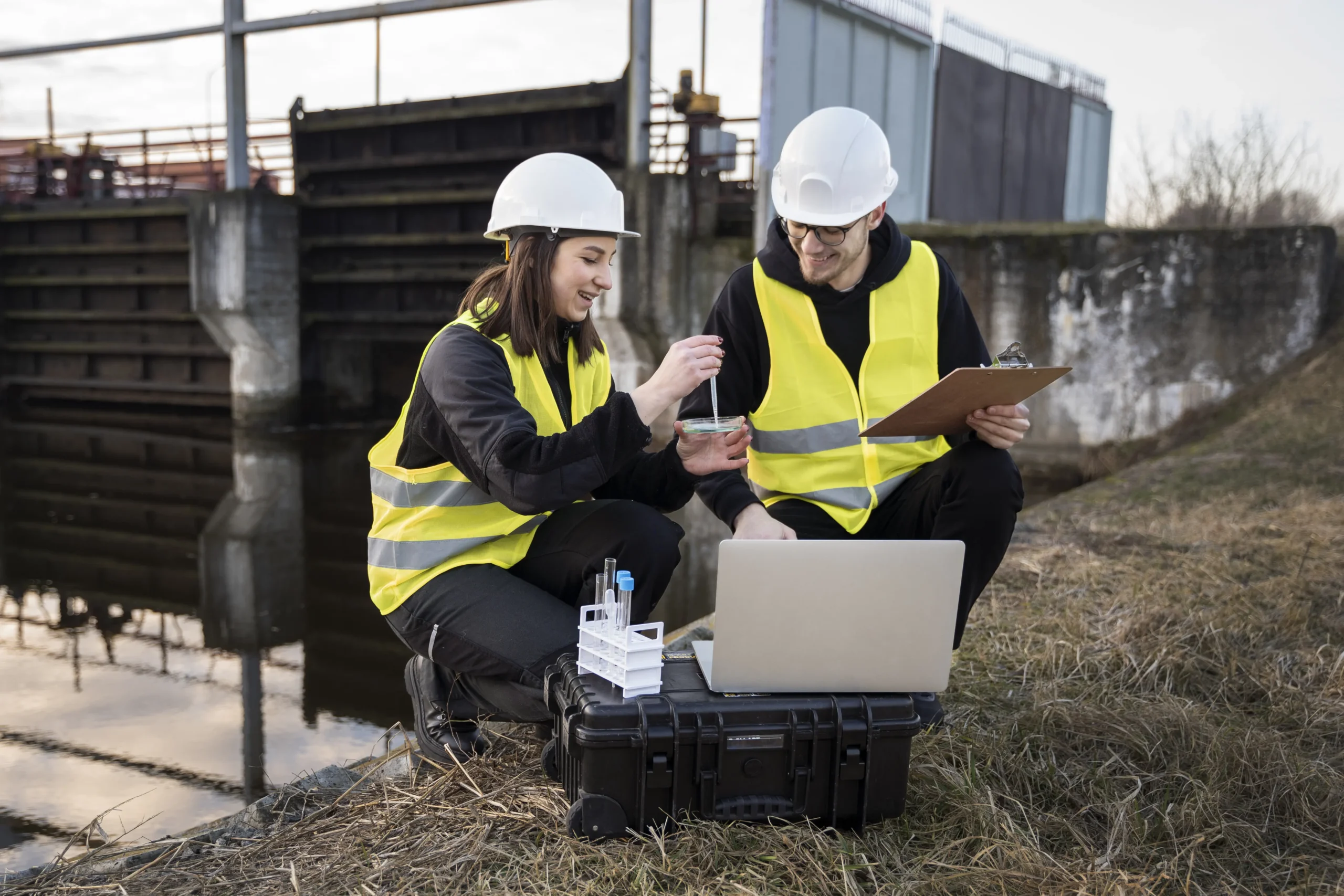
We offer both field testing and lab analysis. Field testing allows for immediate on-site assessments, while lab tests provide detailed, accurate data for deeper analysis and reporting.
Hinewai Harris
10 months ago
How long does it usually take from sample collection to final report delivery?
The time from sample collection to final report delivery typically ranges from a few days to a couple of weeks, depending on the complexity of the project and the type of testing required. Simple tests may have quicker turnaround times, while more detailed analysis or specialized testing might take longer. We always aim to provide timely results without compromising quality.
Caleb Whakaruru
9 months ago
Can your team help interpret results for less technical clients like homeowners or small developers?
Yes, we provide clear, easy-to-understand explanations and guidance to help homeowners and small developers interpret technical results and make informed decisions.
Wiremu Stone
9 months ago
Automated reporting and digital integration? That’s how modern soil testing should be.
Eleanor Whakaruru
9 months ago
Great to see environmental impact factored into permeability testing—not just about building, but building responsibly.
Connor Tiare
9 months ago
Love that you don’t just test you also provide clear design recommendations. That’s something that not so much company do.
Rawiri Hayes
8 months ago
Solid foundations start with solid data
James Kahurangi
8 months ago
Having digital reporting must make it easy to share and discuss results with engineers
Scarlett Te Whenua
8 months ago
Is permeability testing useful even for non-sloped residential sites, or more for commercial builds?
Permeability testing is useful for both. On non-sloped residential sites, it helps with drainage design, preventing waterlogging. For commercial builds, it’s often critical due to larger impervious areas and stricter stormwater management requirements.
Noah Tiare
7 months ago
the services they provide is amazing both in quality and in price
Ivy Rawiri
7 months ago
How often do you see and notice significant settlement issues during consolidation testing?
Significant settlement issues during consolidation testing are relatively rare but critical to identify early. We carefully analyze soil behavior in the lab and field to predict potential settlement, helping us recommend appropriate design adjustments to prevent future structural problems.
Stella Rawiri
7 months ago
Your use of triaxial and direct shear tests shows how serious you are about foundation safety.
Aria Puketapu
7 months ago
Super impressed by how detailed and technical your testing process
Moana Tahere
6 months ago
The variety of tests you offer really covers every angle of every project
Tama Tumu
6 months ago
Consolidation and shear tests seem essential, especially for multi-storey builds.
Kahurangi Taiapa
6 months ago
How do you decide which soil tests are required and is suitable for a project?
We decide on soil tests by evaluating the project type, site conditions, and engineering requirements. Factors such as soil composition, load-bearing needs, groundwater presence, and environmental conditions guide the selection. We choose tests (like SPT, CPT, consolidation, or chemical analyses) that provide the most relevant data to ensure safe, efficient, and cost-effective foundation and design solutions.
Both. Some tests are performed on-site (field or in-situ tests) to understand soil behavior under natural conditions, while others are done in the laboratory for more controlled and detailed analysis.
On-site tests include CPT, SPT, plate load tests, and permeability tests.
Lab tests include classification tests (Atterberg limits, grain size), strength tests (triaxial, direct shear), and consolidation tests.
Using both together ensures we capture real-world conditions while also gaining precise material properties for design.
Tia Taniwha
5 months ago
is it possible to simulate soil behavior under load conditions?
Yes it is, our team can simulate soil behavior under various load conditions using advanced geotechnical modeling tools. This helps predict settlement, bearing capacity, and potential failure zones, allowing engineers to design safer foundations and structures tailored to the specific site conditions.
Aroha Te Ngahue
5 months ago
How do you coordinate testing with other site investigations?
We coordinate testing by aligning schedules with other site investigations and construction activities. This ensures data is collected efficiently, avoids conflicts, and allows findings from one investigation to inform others for more accurate planning and design.
Kaihau Te Motu
4 months ago
How do you ensure testing methods meet regulatory standards?
We ensure all testing methods meet regulatory standards by following a rigorous compliance framework:
1.Adhering to national and local standards, including New Zealand’s building codes and environmental regulations.
2.Using certified laboratory procedures and field testing protocols approved by relevant authorities.
3.Regularly calibrating equipment and employing qualified personnel to maintain accuracy.
4.Conducting internal audits and quality checks on all collected data before reporting.
5.Maintaining detailed documentation to demonstrate compliance for council or regulatory review.
This approach guarantees that every test is reliable, legally compliant, and suitable for decision-making in your project.
Manu Maraki
4 months ago
Do you provide interpretation for clients with limited technical knowledge?
Absolutely. We translate technical findings into clear, understandable insights, helping clients with limited technical knowledge make informed decisions and confidently plan their projects.
Ngawhika Tariana
4 months ago
What role does soil testing play in retrofitting projects?
Soil testing in retrofitting projects helps us understand ground conditions, bearing capacity, and potential settlement risks. This information guides foundation strengthening, load distribution, and stabilization measures, ensuring that upgrades are safe, effective, and tailored to the site’s specific conditions.
Rangipai Te Rito
3 months ago
This makes it so clear why soil testing should never be skipped in construction planning.
Caleb Hughes
3 months ago
their team goes beyond just lab results and that is the best aspect of their soil testing services.
Hunter Rudd
3 months ago
Can soil testing help prevent slope instability or settlement issues?
Yes, soil testing plays a critical role in preventing slope instability and settlement issues. Here’s how it helps:
1.Understanding Soil Properties
2.Identifying Potential Settlement Risks
3.Evaluating Slope Stability
4.Supporting Remedial Solutions
James
2 months ago
How quickly can results be delivered for urgent projects and clients?
For urgent projects, we can fast-track assessments and deliver results within a compressed timeframe (often just a few days) while still keeping accuracy and compliance in check.
Mackenzie Tui
2 months ago
Are non-destructive methods used in your testing process?
When discrepancies arise between lab and field results, we first review the testing methods, sample quality, and site conditions to understand the cause of the variation. This helps us identify whether the difference is due to natural soil variability, testing limitations, or data interpretation.
If needed, we carry out additional testing or refine the analysis to ensure the final conclusions are reliable and representative of actual site conditions.
Amara Nuku
2 months ago
soil test early sounds like a great way to avoid big issues down the track.

















Do you offer field testing too, or is everything done in the lab?
We offer both field testing and lab analysis. Field testing allows for immediate on-site assessments, while lab tests provide detailed, accurate data for deeper analysis and reporting.
How long does it usually take from sample collection to final report delivery?
The time from sample collection to final report delivery typically ranges from a few days to a couple of weeks, depending on the complexity of the project and the type of testing required. Simple tests may have quicker turnaround times, while more detailed analysis or specialized testing might take longer. We always aim to provide timely results without compromising quality.
Can your team help interpret results for less technical clients like homeowners or small developers?
Yes, we provide clear, easy-to-understand explanations and guidance to help homeowners and small developers interpret technical results and make informed decisions.
Automated reporting and digital integration? That’s how modern soil testing should be.
Great to see environmental impact factored into permeability testing—not just about building, but building responsibly.
Love that you don’t just test you also provide clear design recommendations. That’s something that not so much company do.
Solid foundations start with solid data
Having digital reporting must make it easy to share and discuss results with engineers
Is permeability testing useful even for non-sloped residential sites, or more for commercial builds?
Permeability testing is useful for both. On non-sloped residential sites, it helps with drainage design, preventing waterlogging. For commercial builds, it’s often critical due to larger impervious areas and stricter stormwater management requirements.
the services they provide is amazing both in quality and in price
How often do you see and notice significant settlement issues during consolidation testing?
Significant settlement issues during consolidation testing are relatively rare but critical to identify early. We carefully analyze soil behavior in the lab and field to predict potential settlement, helping us recommend appropriate design adjustments to prevent future structural problems.
Your use of triaxial and direct shear tests shows how serious you are about foundation safety.
Super impressed by how detailed and technical your testing process
The variety of tests you offer really covers every angle of every project
Consolidation and shear tests seem essential, especially for multi-storey builds.
How do you decide which soil tests are required and is suitable for a project?
We decide on soil tests by evaluating the project type, site conditions, and engineering requirements. Factors such as soil composition, load-bearing needs, groundwater presence, and environmental conditions guide the selection. We choose tests (like SPT, CPT, consolidation, or chemical analyses) that provide the most relevant data to ensure safe, efficient, and cost-effective foundation and design solutions.
Are tests conducted on-site, in the lab, or both?
Both. Some tests are performed on-site (field or in-situ tests) to understand soil behavior under natural conditions, while others are done in the laboratory for more controlled and detailed analysis.
On-site tests include CPT, SPT, plate load tests, and permeability tests.
Lab tests include classification tests (Atterberg limits, grain size), strength tests (triaxial, direct shear), and consolidation tests.
Using both together ensures we capture real-world conditions while also gaining precise material properties for design.
is it possible to simulate soil behavior under load conditions?
Yes it is, our team can simulate soil behavior under various load conditions using advanced geotechnical modeling tools. This helps predict settlement, bearing capacity, and potential failure zones, allowing engineers to design safer foundations and structures tailored to the specific site conditions.
How do you coordinate testing with other site investigations?
We coordinate testing by aligning schedules with other site investigations and construction activities. This ensures data is collected efficiently, avoids conflicts, and allows findings from one investigation to inform others for more accurate planning and design.
How do you ensure testing methods meet regulatory standards?
We ensure all testing methods meet regulatory standards by following a rigorous compliance framework:
1.Adhering to national and local standards, including New Zealand’s building codes and environmental regulations.
2.Using certified laboratory procedures and field testing protocols approved by relevant authorities.
3.Regularly calibrating equipment and employing qualified personnel to maintain accuracy.
4.Conducting internal audits and quality checks on all collected data before reporting.
5.Maintaining detailed documentation to demonstrate compliance for council or regulatory review.
This approach guarantees that every test is reliable, legally compliant, and suitable for decision-making in your project.
Do you provide interpretation for clients with limited technical knowledge?
Absolutely. We translate technical findings into clear, understandable insights, helping clients with limited technical knowledge make informed decisions and confidently plan their projects.
What role does soil testing play in retrofitting projects?
Soil testing in retrofitting projects helps us understand ground conditions, bearing capacity, and potential settlement risks. This information guides foundation strengthening, load distribution, and stabilization measures, ensuring that upgrades are safe, effective, and tailored to the site’s specific conditions.
This makes it so clear why soil testing should never be skipped in construction planning.
their team goes beyond just lab results and that is the best aspect of their soil testing services.
Can soil testing help prevent slope instability or settlement issues?
Yes, soil testing plays a critical role in preventing slope instability and settlement issues. Here’s how it helps:
1.Understanding Soil Properties
2.Identifying Potential Settlement Risks
3.Evaluating Slope Stability
4.Supporting Remedial Solutions
How quickly can results be delivered for urgent projects and clients?
For urgent projects, we can fast-track assessments and deliver results within a compressed timeframe (often just a few days) while still keeping accuracy and compliance in check.
Are non-destructive methods used in your testing process?
Yes, we use non-destructive testing methods to assess materials and structures without causing damage.
How do you handle discrepancies between lab and field results?
When discrepancies arise between lab and field results, we first review the testing methods, sample quality, and site conditions to understand the cause of the variation. This helps us identify whether the difference is due to natural soil variability, testing limitations, or data interpretation.
If needed, we carry out additional testing or refine the analysis to ensure the final conclusions are reliable and representative of actual site conditions.
soil test early sounds like a great way to avoid big issues down the track.