


Foundation Design Services

At Chambers, we design foundations tailored to your project’s needs, giving your structure the strength and stability it deserves. Our team combines advanced technology with expert knowledge of geotechnical engineering to deliver safe, durable, and efficient solutions. From shallow and deep foundations to specialized pile systems and custom footings, we make sure your project is built on a rock-solid base that lasts.

foundation construction logo

What We Do

Our foundation design services are tailored to meet the specific conditions of your site, ensuring that every structure is built on a secure and resilient foundation. We focus on:

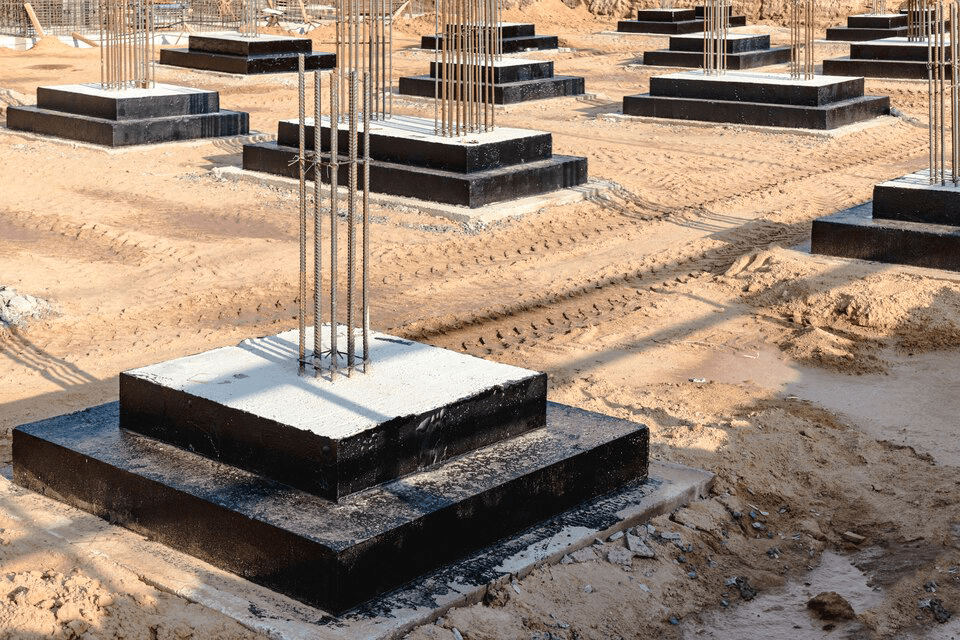
Footing Design

Footing Design

Creating optimized footing layouts that provide stability and prevent differential settlement.

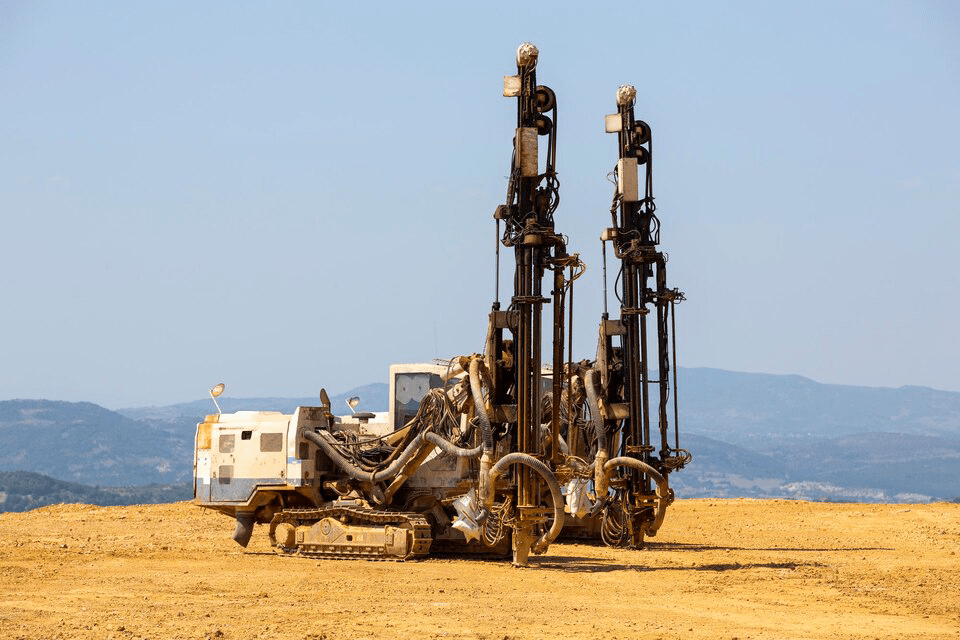
Pile Design

Pile Design

Engineering robust pile solutions to transfer loads efficiently in challenging ground conditions.

Shallow and Deep Foundations

Shallow and Deep Foundations

Designing appropriate foundation systems based on the load requirements and soil characteristics.

Our solutions are developed to maximize safety, longevity, and cost-effectiveness while adhering to the highest engineering standards for foundation design services.

Our Key Services

services icon 15

Shallow and Deep Foundations

We determine the most appropriate foundation type by analyzing your site’s geotechnical data:

  • Shallow Foundations: Suitable for projects where loads are relatively light and soil conditions are favorable. These include spread footings, mat foundations, and strip foundations.
  • Deep Foundations: Designed for situations where surface soils are inadequate, requiring solutions like drilled shafts, caissons, or piles to reach stronger bearing strata.
  • Customized Analysis: Detailed soil investigations and load calculations ensure that your foundation design is both safe and economical.
services icon 16

Pile Design

When ground conditions call for it, our pile design services provide effective load transfer:

  • Load-Bearing Solutions: We design piles that can support heavy loads,
    transferring stress to deeper, more stable soils.
  • Material Optimization: Our designs consider various materials (concrete,
    steel, composite) to meet performance and budget requirements.
  • Installation Methods: We provide guidance on installation techniques to
    ensure maximum efficiency and minimal disruption during construction.
services icon 17

Footing Design

A well-designed footing is critical for distributing structural loads evenly:

  • Customized Footing Layouts: We design footings that are tailored to the
    specific demands of your structure and site conditions.
  • Settlement Control: Our designs minimize differential settlement, ensuring
    the longevity and stability of your structure.
  • Integration with Overall Design: We work closely with your architects and
    engineers to ensure that footing designs complement the overall structural
    system.

How We Do Our Foundation Design Services

Our process is designed to deliver precise, reliable, and customized foundation designs services:

Site Planning

3. Customized Design Development

Using advanced modeling software and engineering principles, we develop a foundation design that is tailored to your project.

Evaluating Soil Properties

2. Site & Soil Analysis

Comprehensive geotechnical investigations are conducted to gather critical data about soil composition, load-bearing capacity, and groundwater conditions.

In-Depth Consultation

1. Initial Consultation

We begin by understanding your project goals, site conditions, and structural requirements.

Detailed Analysis

6. Post-Construction Evaluation

Optional monitoring and evaluation services help verify that the foundation performs as expected over time.

Construction & Real Estate

5. Implementation Support

We collaborate with your construction team to ensure that the design is executed correctly and provides long-term stability.

Custom Planning & Design

4. Review & Optimization

Our design undergoes rigorous analysis and peer review to ensure safety, efficiency, and cost-effectiveness.

Innovation & Technology

We stay at the forefront of foundation engineering by leveraging the latest technologies for our foundation design services:

Advanced Modeling Software

Advanced Modeling Software

Advanced Modeling Software

  • Utilize 3D simulation and finite element analysis to predict foundation behavior under various load scenarios.

Integrated Geotech Analysis

Integrated Geotechnical Analysis

Integrated Geotechnical Analysis

  • Combine data from site investigations with digital modeling for highly accurate design outputs.

Automated Design Tools

Automated Design Tools

Automated Design Tools

  • Streamline calculations and design iterations, reducing time and ensuring consistency.

Smart Monitoring Systems

Smart Monitoring Systems

Smart Monitoring Systems

  • Post-installation sensors and data loggers allow for real-time performance tracking and early detection of potential issues.

Sustainability & Impact

Our foundation design services and practices contribute to sustainable development by:

  • Optimizing Resource Use: Accurate designs reduce material waste and over-engineering, saving costs and resources.
  • Enhancing Structural Longevity: A well-designed foundation minimizes maintenance needs and extends the lifespan of the structure.
  • Reducing Environmental Impact: By selecting appropriate foundation systems, we help minimize soil disturbance and promote environmentally friendly construction practices.
  • Risk Management: Early identification of potential issues through thorough analysis helps avoid costly repairs and environmental degradation in the future.

Industries We Serve

Our foundation design services and expertise supports a wide range of sectors:

new zealand flag

Government & Municipalities

Providing robust foundation solutions for public infrastructure, including schools, hospitals, and municipal buildings

Residential Developments

Residential & Commercial Developments

Ensuring that housing, office complexes, and retail centers are built on safe, longlasting foundations.

Industrial & Manufacturing

Industrial & Manufacturing

Designing heavy-duty foundation systems for factories, warehouses, and industrial plants where load requirements are significant.

Urban Development

Transportation & Infrastructure

Supporting the construction of roads, bridges, and transit facilities with specialized foundation designs that enhance safety and durability.

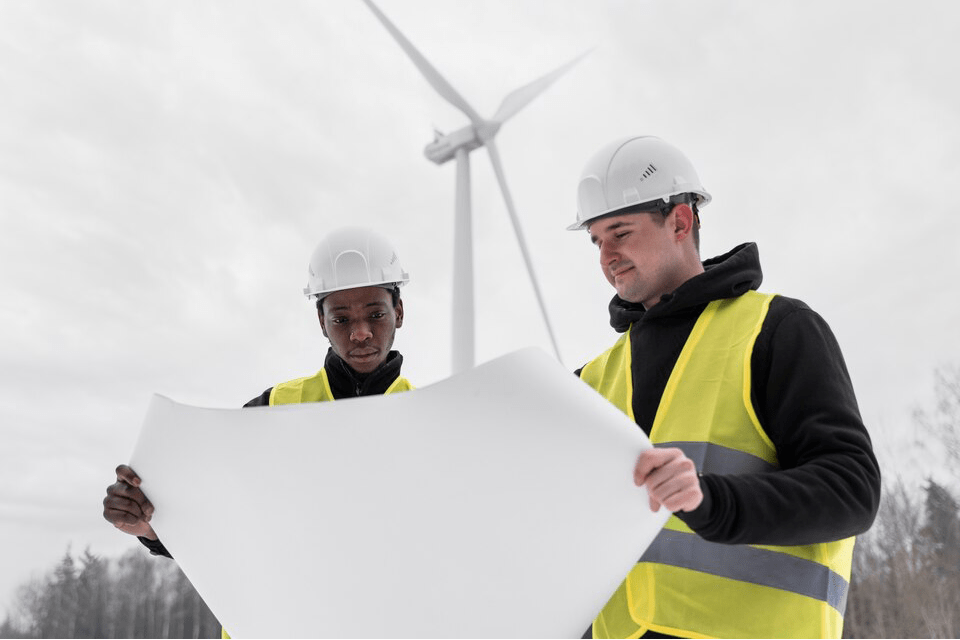
engineer at windmills

Renewable Energy Projects

Optimizing foundations for wind turbines, solar arrays, and other energy infrastructure to ensure efficient and sustainable performance.

Why Foundation Design Services is Important

A solid foundation is the cornerstone of any successful construction project:

Driving Economic Efficiency

Cost-Effectiveness

Accurate designs reduce over-engineering and material waste, saving time and money.

Real Estate Developers

Optimized Design

Tailored solutions ensure that the foundation meets the specific demands of the structure and site conditions.

Safety Assurance

Safety Assurance

Proper foundation design minimizes risks of settlement, structural failure, and costly repairs.

environmental management services

Sustainable Construction

Thoughtfully designed foundations contribute to long-term durability and lower environmental impact.

Regulatory Compliance

Regulatory Compliance

Adhering to engineering standards and local codes protects against legal and safety issues.

Investing in comprehensive foundation design is essential for creating safe, resilient, and sustainable structures.

FAQs

Have questions? We have answers:

What factors determine the choice between shallow and deep foundations?

The decision is based on soil conditions, load requirements, groundwater levels, and overall project specifications. Detailed geotechnical investigations help determine the most suitable foundation type.

 Pile designs transfer structural loads to deeper, more stable soil layers, ensuring stability even in challenging ground conditions. They are essential when surface soils cannot support the required loads.

Footing design is critical for distributing loads evenly and preventing differential settlement, which is essential for the long-term durability and safety of a structure.

For more information, please visit our dedicated FAQ page or contact our team directly.

Contact Us

Ready to secure your project with expert Foundation Design Services? Reach out today to discuss your needs, request a quote, or learn more about our comprehensive services

contact with us

Name(Required)

Our Other Services

service icon 21

Ground Investigation

services icon 9

Soil Testing

services icon 10

Slope Stability Assessment

services icon 7

Site Investigations

services icon 12

Retaining Wall & Remedial Structure Design

services icon 13

Geotechnical Reports

services icon 14

Construction Monitoring

Civil Engineering icon

Civil Engineering

Structural Engineering icon

Structural Engineering

Land surveying icon

Land Surveying

45 Responses

    1. Yes, we do. Our team can assist with post-construction foundation inspections to ensure structural integrity, detect any issues early, and recommend remedial actions if needed.

  1. What’s the most common challenge you encounter when designing foundations for urban developments?

    1. The most common challenge when designing foundations for urban developments is dealing with varying soil conditions and the need for ground stabilization. Urban sites often have complex underground environments, such as old infrastructure, soil instability, or contamination, which can require additional testing, reinforcement, or remediation. Balancing cost-effectiveness with the need for long-term stability and safety is key.

  2. Is there a preferred foundation type for renewable energy structures like wind turbines?

    1. For renewable energy structures like wind turbines, the preferred foundation type is often a deep concrete or steel pile foundation, especially in areas with soft soil. This ensures stability and load distribution, considering wind forces and environmental conditions.

  3. Your team’s integration of advanced modeling and geotechnical analysis sets you apart.

  4. The attention to settlement control and footing design shows your focus on long-term performance.

  5. By minimizing material waste and avoiding over-engineering, you’re making sustainable design practical and cost effective.

  6. The use of finite element analysis and 3D simulations adds a whole new layer of confidence to foundation planning.

    1. Our smart monitoring systems use sensors like inclinometers, piezometers, and strain gauges to track structural and ground performance. Data is transmitted in real time to cloud platforms, enabling early detection of movement, pressure, or moisture changes—supporting long-term asset safety and maintenance.

    1. We assess site specific geotechnical data such as soil bearing capacity, groundwater levels, and load requirements. If the upper soil layers are strong and stable, shallow foundations are typically suitable; otherwise, deep foundations like piles may be necessary for adequate support.

  7. Your custom foundation designs clearly reflect a deep understanding of site-specific engineering challenges.

  8. Your post installation monitoring services are a brilliant way to ensure long-term success for your projects

    1. We determine whether to use shallow or deep foundations based on site-specific factors such as soil type, load requirements, groundwater conditions, and the structure’s design. Early geotechnical investigations guide this decision to ensure stability, safety, and cost-effectiveness.

    1. Yes, absolutely. Foundation design is always tailored to local soil profiles, groundwater levels, and site-specific conditions. For example, soft clays may require deep piles, while dense gravels could allow for shallow spread footings. Groundwater conditions also influence drainage, waterproofing, and foundation type selection.

    1. Yes, we provide recommendations for existing buildings requiring foundation upgrades. Our assessments identify structural or soil-related issues and propose appropriate remedial solutions to ensure safety, compliance, and long-term stability.

    1. Yes, we install and integrate sensors like inclinometers, piezometers, and strain gauges to continuously monitor foundation performance. This data helps detect movement, settlement, or stress changes early, allowing timely intervention and ensuring structural safety.

    1. The most common foundation challenges we encounter include variable soil conditions, high groundwater levels, and unexpected subsurface materials such as loose fill or expansive clays. These factors can affect bearing capacity, settlement, and overall structural stability.

      In some cases, poor drainage or inadequate compaction leads to long-term performance issues, while differential settlement is often a concern in sites with mixed soil profiles.

    1. We ensure regulatory compliance by strictly following local building codes, geotechnical standards, and council requirements. Every foundation design is reviewed and verified through quality checks and certified engineering documentation.

    1. We coordinate foundation design closely with other structural elements through integrated modeling and collaboration with design teams. This ensures that load paths, material compatibility, and site conditions align seamlessly, resulting in a stable, efficient, and well-balanced structural system.

  9. Proper load transfer through pile systems is something only true engineering pros can execute this well.

    1. Yes foundation designs can be adjusted mid-construction if site conditions differ from the original assumptions, though such changes require careful assessment and engineering approval. When unexpected factors arise, like variations in soil strength, groundwater levels, or unforeseen obstructions geotechnical engineers re-evaluate the design parameters and recommend modifications.

    1. Yes, advanced simulations such as Finite Element Analysis (FEA) are used in our foundation design services when the project conditions warrant it.

    1. Yes. We always balance cost-efficiency with structural safety, ensuring the design remains compliant and durable without unnecessary expenses.

    1. Yes, our foundation designs consider potential future expansions, ensuring flexibility while maintaining structural integrity.

  10. Tailoring footing layouts for specific loads and conditions makes a huge difference in real-world performance.

Leave a Reply

Your email address will not be published. Required fields are marked *