Skip to content
09 278 1072
022 2233 269
info@chambersconsultants.co.nz
Linkedin
Contact Us
HOME
SERVICES
Our CIVIL ENGINEERING SERVICES
INFRASTRUCTURE DEVELOPMENT
ENVIRONMENTAL MANAGEMENT SERVICES
LAND DEVELOPMENT SERVICES
TRANSPORTATION ENGINEERING SERVICES
PROJECT MANAGEMENT SERVICES
OUR GEOTECHNICAL ENGINEERING SERVICES
SITE INVESTIGATION SERVICES
GROUND INVESTIGATION SERVICES
SOIL TESTING SERVICES
SLOPE STABILITY ASSESSMENT SERVICES
FOUNDATION DESIGN SERVICES
RETAINING WALL & REMEDIAL STRUCTURE DESIGN SERVICES
GEOTECHNICAL REPORT SERVICES
CONSTRUCTION MONITORING SERVICES
SOAKAGE TESTING
SUBDIVISION GEOTECHNICAL REPORTS
GEOTECHNICAL REPORT COST
TEMPORARY WORKS DESIGN
AREAS WE SERVE
GEOTECHNICAL ENGINEERS AUCKLAND
GEOTECHNICAL ENGINEERS NORTH SHORE
Geotechnical Engineers South Auckland
OUR STRUCTURAL ENGINEERING SERVICES
STRUCTURAL DESIGN & ANALYSIS SERVICES
SEISMIC DESIGN SERVICES
RETROFITTING & REHABILITATION SERVICES
CONSTRUCTION SUPPORT SERVICES
PROJECT MANAGEMENT SERVICES
LAND SURVEYING SERVICES
OUR TEAM
ABOUT US
CONTACT US
ARTICLES
JOIN OUR TEAM
ARTICLES
Filters
Civil Engineering
Foundations
Geotechnical
News
Structural Engineering
Surveying
Uncategorized
Wastewater
All
Septic Tank Systems in New Zealand: Sizing, Siting and Council Requirements
November 17, 2026
Read the Full Article
On-Site Wastewater Design to AS/NZS 1547: A Step-by-Step Guide
November 15, 2026
Read the Full Article
Reducing Embodied Carbon in NZ Civil Works: Practical Steps for Design Engineers
November 12, 2026
Read the Full Article
Landfill and Cleanfill Design in New Zealand: Liners, Leachate and Consent Conditions
November 10, 2026
Read the Full Article
Stream Works and Ecological Assessment: Meeting NPS-FM and Regional Plan Rules
November 8, 2026
Read the Full Article
Groundwater Take and Dewatering Consents Under the RMA: What Engineers Need to Know
November 5, 2026
Read the Full Article
Dust and Air Discharge Management on NZ Construction Sites
November 3, 2026
Read the Full Article
Climate Change Adaptation for NZ Infrastructure: Applying MfE Sea-Level Rise Guidance
November 1, 2026
Read the Full Article
Acid Sulfate Soils in New Zealand Coastal Development: Identification and Management
October 29, 2026
Read the Full Article
HAIL Sites: What Triggers a Preliminary Site Investigation in New Zealand?
October 27, 2026
Read the Full Article
Contaminated Land in NZ: PSI, DSI and the NES-CS Explained for Developers
October 25, 2026
Read the Full Article
Erosion and Sediment Control to Auckland Council GD05: A Practical Guide
October 22, 2026
Read the Full Article
Retaining Wall Failures in New Zealand: Common Causes and How to Avoid Them
October 20, 2026
Read the Full Article
Fill Slopes and Engineered Fill: Compaction Testing and NZS 4431 Compliance
October 18, 2026
Read the Full Article
Vegetation and Bioengineering for Slope Stabilisation on NZ Hill Country
October 15, 2026
Read the Full Article
Rockfall Hazard Assessment and Protection Design in New Zealand
October 13, 2026
Read the Full Article
Soil Nails and Ground Anchors: Stabilising Steep Cuts on NZ Roads and Sections
October 11, 2026
Read the Full Article
Subsurface Drainage for Slope Stability: Counterfort Drains, Cut-offs and Weep Holes
October 8, 2026
Read the Full Article
Coastal Hazard Assessment in New Zealand: Erosion, Inundation and Sea-Level Rise for Development
October 8, 2026
Read the Full Article
Liquefaction Risk on NZ Development Sites: Site Investigation, CPT Testing and Mitigation Options
October 8, 2026
Read the Full Article
Pseudo-Static Slope Stability: Selecting kh for New Zealand Seismic Conditions
October 6, 2026
Read the Full Article
Building on Steep Sites: Cut, Fill and Batter Design for NZ Hillside Sections
October 4, 2026
Read the Full Article
What Factor of Safety Is Required for Slopes in New Zealand?
October 1, 2026
Read the Full Article
Slope Stability Analysis Methods: Limit Equilibrium vs Finite Element for NZ Projects
September 29, 2026
Read the Full Article
Groundwater and Geotechnical Design: Managing Perched Water Tables on NZ Sites
September 27, 2026
Read the Full Article
Retaining Wall Geotechnical Design in NZ: Seismic Earth Pressures and Global Stability
September 27, 2026
Read the Full Article
Settlement Analysis for NZ Structures: Immediate, Consolidation and Seismic Settlement
September 22, 2026
Read the Full Article
Site Subsoil Class A to E: Getting Site Class Right Under NZS 1170.5
September 20, 2026
Read the Full Article
Writing a Geotechnical Report That Councils Accept: NZGS Guideline Checklist
September 17, 2026
Read the Full Article
Ground Improvement Techniques for NZ Sites: Stone Columns, DSM and Densification
September 15, 2026
Read the Full Article
Auckland’s Soils Explained: East Coast Bays Formation, Tauranga Group and Volcanic Ash
September 13, 2026
Read the Full Article
Liquefaction Assessment in New Zealand: Applying the MBIE/NZGS Modules
September 10, 2026
Read the Full Article
CPT vs SPT vs Hand Auger: Choosing the Right Site Investigation Method in NZ
September 8, 2026
Read the Full Article
Geotechnical Investigation Requirements for a NZ Building Consent
September 6, 2026
Read the Full Article
Expansive Clay Soils and Slab Heave: Designing Foundations for NZ Shrink-Swell Ground
September 3, 2026
Read the Full Article
Foundation Design for Liquefiable Ground: Raft, Ground Improvement or Piles?
September 1, 2026
Read the Full Article
Bearing Capacity Calculations for Shallow Foundations: NZ Worked Examples
August 30, 2026
Read the Full Article
Underpinning Existing Foundations: Options for NZ Villas and Character Homes
August 27, 2026
Read the Full Article
Deep Pile Foundations in NZ: Bored, Driven and CFA Pile Selection Criteria
August 25, 2026
Read the Full Article
Foundation Design on Peat Soils: Lessons from Waikato and Hauraki Plains
August 23, 2026
Read the Full Article
Screw Piles in New Zealand: Design, Verification and Producer Statements
August 20, 2026
Read the Full Article
Waffle Raft vs Conventional Slab: Choosing the Right Foundation for NZ Soils
August 18, 2026
Read the Full Article
TC1, TC2 and TC3 Foundations: Canterbury Technical Categories Explained
August 17, 2026
Read the Full Article
What Is ‘Good Ground’ Under NZS 3604? Verification Methods for NZ Sites
August 17, 2026
Read the Full Article
Lintel and Beam Selection in NZS 3604: Reading the Span Tables Correctly
August 13, 2026
Read the Full Article
Concrete Design to NZS 3101: Detailing for Ductility in Seismic Zones
August 11, 2026
Read the Full Article
Structural Steel Design to NZS 3404: Connections, Capacity and Corrosion in NZ Conditions
August 10, 2026
Read the Full Article
Wind Zones in New Zealand: Determining Site Wind Speed Under NZS 3604 and AS/NZS 1170.2
August 10, 2026
Read the Full Article
Seismic Strengthening of Unreinforced Masonry Buildings in New Zealand
August 10, 2026
Read the Full Article
Earthquake-Prone Buildings: %NBS Assessment and the Seismic Assessment Guidelines
August 10, 2026
Read the Full Article
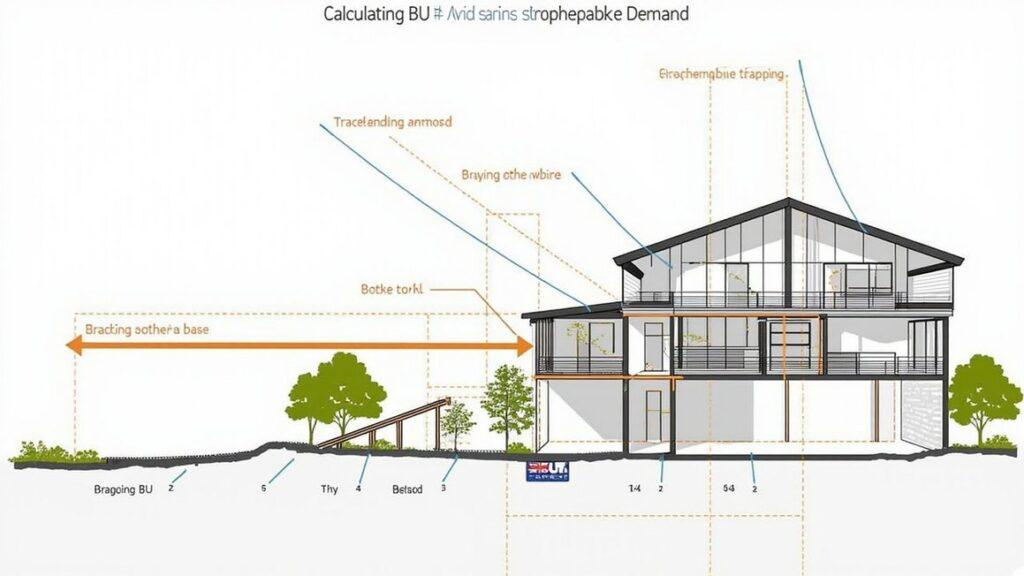
Bracing Design for NZ Homes: Calculating BUs for Wind and Earthquake Demand
August 10, 2026
Read the Full Article
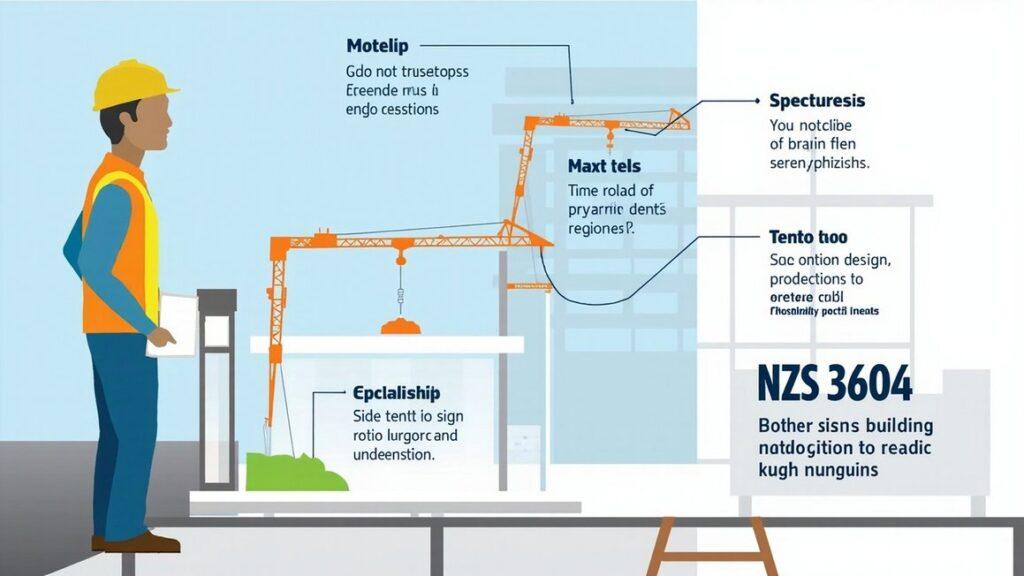
When Does a Building Need Specific Engineering Design (SED) Instead of NZS 3604?
August 10, 2026
Read the Full Article
Seismic Design to NZS 1170.5: Understanding Hazard Factors, Site Class and Ductility
August 10, 2026
Read the Full Article
Engineering Solutions for Landslips: A Comprehensive Stabilisation Reference
July 8, 2026
Read the Full Article
Infrastructure Development Services: A Strategic Guide to Engineering Excellence in 2026
July 7, 2026
Read the Full Article
Geotechnical Report for Building Consent: The Essential Guide for New Zealand Developers
July 6, 2026
Read the Full Article
Comprehensive Guide to Slope Stability Assessment in NZ
July 5, 2026
Read the Full Article
Structural Engineering for Complex and Irregular Buildings: Designing Stability Beyond Conventional Forms
February 3, 2026
Read the Full Article
What a Proper Site Investigation Should Include in 2026
January 28, 2026
Read the Full Article
Managing Uncertainty in Geotechnical Engineering Projects: Reducing Risk Beneath the Surface
January 25, 2026
Read the Full Article
Managing Scope Creep in Civil and Infrastructure Projects: Protecting Time, Cost, and Project Integrity
January 22, 2026
Read the Full Article
How Traffic Modelling Supports Transport Infrastructure Design
January 19, 2026
Read the Full Article
Land Development Constraints That Impact Design and Cost: What Developers and Engineers Must Consider
January 16, 2026
Read the Full Article
Environmental Management Strategies for Earthworks and Land Disturbance
January 13, 2026
Read the Full Article
Infrastructure Development in Constrained Urban Environments: Engineering Solutions for Complex City Projects
January 10, 2026
Read the Full Article
Civil Engineering Solutions for High-Density Developments: A Guide for 2026
January 7, 2026
Read the Full Article
How to Interpret and Use Geotechnical Reports in Design
December 28, 2025
Read the Full Article
How Structural Engineering Ensures Compliance and Safety: A Deep Look into Modern Building Practice
December 25, 2025
Read the Full Article
Different Surveying Equipment and Tools: A Technical Guide for Modern Land and Construction Projects
December 22, 2025
Read the Full Article
Importance of Soil Testing in Pre-Construction Planning for 2026
December 19, 2025
Read the Full Article
The Role of Environmental Management in Civil Engineering Projects
December 16, 2025
Read the Full Article
Innovations Shaping the Future of Infrastructure Projects
December 13, 2025
Read the Full Article
How Poor Soil Conditions Impact Structural Safety in 2026
December 10, 2025
Read the Full Article
The Role of Geotechnical Instrumentation in Construction Monitoring in 2026
December 7, 2025
Read the Full Article
Different Types of Land Surveying: Understanding the Foundation of Every Development Project
December 4, 2025
Read the Full Article
Collaboration Between Architects and Structural Engineers: Building Harmony in Design and Function
December 1, 2025
Read the Full Article
What’s Included in a Geotechnical Report?
November 28, 2025
Read the Full Article
Common Ground Problems in Construction and How Geotechnical Engineers Solve Them
November 25, 2025
Read the Full Article
Engineering Project Management: Tools and Techniques That Work for 2026
November 22, 2025
Read the Full Article
Sustainable Land Development Practices for Urban Projects in 2026
November 19, 2025
Read the Full Article
How Civil Engineering Shapes the Built Environment in 2026
November 16, 2025
Read the Full Article
Load Analysis in Structural Engineering Explained
November 13, 2025
Read the Full Article
Why Construction Monitoring Is Crucial for Geotechnical Stability
November 10, 2025
Read the Full Article
How to Choose the Right Types of Foundations for Your Site: A Guide for Safe and Cost-Effective Construction
November 7, 2025
Read the Full Article
Factors That Influence Slope Failure in Civil Projects: Understanding Risks and Engineering Solutions
November 4, 2025
Read the Full Article
What Happens During a Ground Investigation? A Step-by-Step Guide for Developers and Engineers
November 1, 2025
Read the Full Article
Red Flags to Watch for During Early Site Evaluation: A Guide for 2026
October 28, 2025
Read the Full Article
Geotechnical Risk Assessment for Major Civil Projects: Building on Solid Ground
October 25, 2025
Read the Full Article
Challenges in Highway and Urban Roadway Design: Balancing Mobility, Safety, and Sustainability
October 22, 2025
Read the Full Article
How to Reducing Environmental Impact in Land and Infrastructure Projects
October 19, 2025
Read the Full Article
How Infrastructure Projects Drive Economic Growth
October 16, 2025
Read the Full Article
The Land Development Process: From Raw Land to Ready Site
October 10, 2025
Read the Full Article
Why Developers Should Never Skip the Geotechnical Report
October 7, 2025
Read the Full Article
Who Is a Land Surveyor? Understanding Their Role in Construction and Development
October 4, 2025
Read the Full Article
What Are the 5 Basics of Project Management? A Practical Guide
October 1, 2025
Read the Full Article
Key Considerations in Multi Storey Structural Engineering: Balancing Safety, Functionality, and Efficiency
September 28, 2025
Read the Full Article
Identifying When a Retaining Wall Needs Remediation: Key Signs + Solutions
September 25, 2025
Read the Full Article
Different Types of Soil Tests and What They Reveal in Construction and Land Development
September 22, 2025
Read the Full Article
What Is Civil Engineering? A Comprehensive Guide for 2026
September 19, 2025
Read the Full Article
What Is Land Surveying in New Zealand? Understanding Its Role in Development and Construction
September 16, 2025
Read the Full Article
Filters
Civil Engineering
Foundations
Geotechnical
News
Structural Engineering
Surveying
Uncategorized
Wastewater
All