
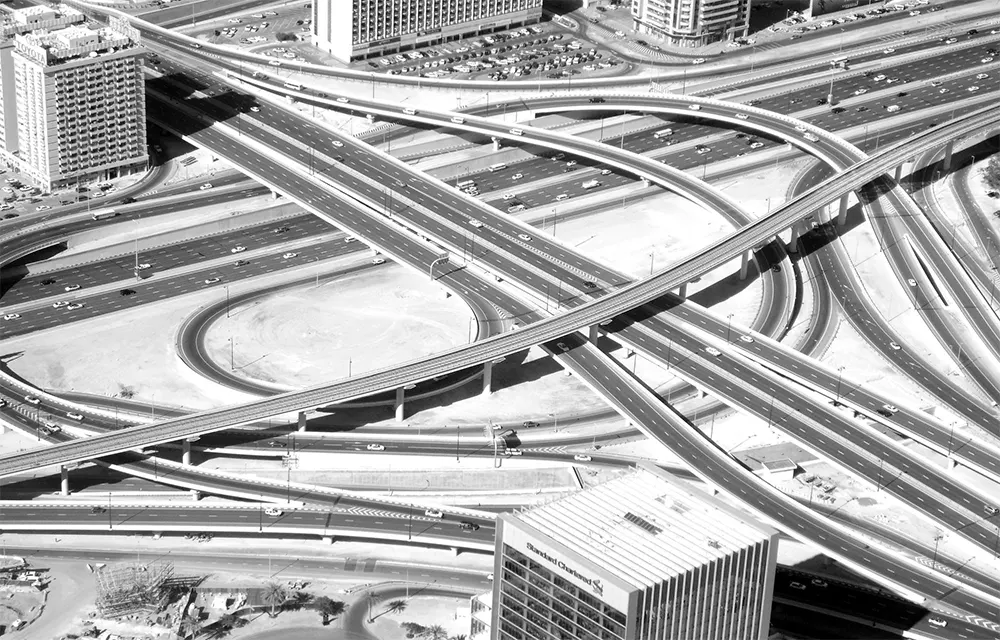
Urbanization is rapidly reshaping the global landscape. In cities across the world, populations are swelling, economies are expanding, and the demand for housing, transportation, water, and energy is growing faster than ever. Yet, as cities grow upward and outward, so do the infrastructure development challenges in urban areas, from space constraints and aging systems to environmental stress and regulatory complexity.
For engineers, planners, developers, and government agencies, tackling these infrastructure development challenges is not just about building new infrastructure. It’s about strategically upgrading, integrating, and managing infrastructure systems in ways that support sustainability, resilience, and long-term urban well-being.
In this comprehensive article, we’ll explore the most pressing infrastructure development challenges in urban areas and examine how civil engineers, urban planners, and policymakers are working to overcome them.
Understanding the Urban Infrastructure Landscape
Urban infrastructure includes the fundamental systems and services that support daily life in cities. This includes:
- Transportation networks (roads, railways, public transit)
- Water supply and sanitation
- Stormwater and drainage systems
- Waste management and recycling systems
- Energy distribution networks
- Telecommunication and digital infrastructure
- Public amenities such as schools, hospitals, and parks
While the need for infrastructure is universal, urban areas present a unique set of difficulties when compared to rural or undeveloped regions. Limited land, high population density, aging legacy systems, and diverse stakeholder needs all add layers of complexity to urban projects.
Key Infrastructure Development Challenges
- Limited Space for Expansion
One of the most immediate infrastructure development challenges in dense urban centers is the lack of physical space. With high-rise buildings, busy road networks, and tightly packed utilities, creating room for new infrastructure (such as underground metro systems, new stormwater pipes, or wider roads) can be immensely difficult.
Civil engineers often need to design multi-functional, compact solutions that can operate efficiently within small footprints. Examples include integrating green spaces into rooftops, co-locating utilities within tunnels, and using vertical transport systems like elevated walkways or sky trains.
- Aging Infrastructure Systems
Many cities around the world are built on aging infrastructure systems, some more than a century old. Water pipes, bridges, roadways, and electrical grids that were designed decades ago often struggle to meet modern demands.
- Water leakage and loss in old pipes
- Bridge fatigue and safety risks
- Frequent outages in outdated electrical systems
Upgrading these systems requires significant investment, but also strategic planning to minimize disruption to daily life. In cities like Auckland and Wellington, phased retrofits and digital monitoring are being used to gradually modernize networks.
- Budget Constraints and Funding Gaps
Urban infrastructure projects are expensive. Building a light rail line or wastewater treatment facility may cost hundreds of millions, funds that municipalities often do not have readily available.
At the same time, public demand for infrastructure is rising. This mismatch creates a funding gap that delays critical projects or limits their scope. Governments increasingly rely on:
- Public-private partnerships (PPPs)
- User-pays models
- Infrastructure bonds and government grants
Yet, managing these financial structures adds administrative complexity and long-term accountability challenges.
- Environmental Impacts and Climate Change
Modern urban development cannot ignore the environment. Cities face rising risks from floods, heatwaves, sea level rise, and extreme weather, all exacerbated by poor drainage, heat-absorbing surfaces, and deforestation.
Key environmental challenges include:
- Managing stormwater in highly paved environments
- Preserving green space amid high-density growth
- Reducing emissions from transportation and energy use
- Integrating climate resilience into infrastructure design
Engineers are turning to nature-based solutions like bioswales, green roofs, and permeable pavements, which can reduce environmental impacts while supporting biodiversity and public health.
- Complex Regulatory and Approval Processes
Urban projects often require approvals from multiple government departments, utility providers, and private stakeholders, making the process time-consuming and bureaucratically heavy.
Civil engineers must navigate a maze of building codes, environmental impact assessments, zoning regulations, and community consultations, each with their own timelines and criteria. This leads to:
- Project delays
- Scope changes
- Increased costs due to rework or redesign
Clearer regulations, digital permitting systems, and early stakeholder engagement can help streamline approvals while ensuring transparency and accountability.
- Traffic Disruption and Public Resistance
Construction in urban areas frequently disrupts daily routines, affecting traffic, access to businesses, and local quality of life.
Even when a project will provide long-term benefits (e.g., a new transit line), residents may resist if it means months of noise, dust, and blocked roads. Engineers and project managers must prioritize:
- Phased construction to minimize disruption
- Effective communication to build public support
- Noise and dust control measures to reduce environmental impact
Managing public perception is just as critical as managing technical challenges.
- Integration with Existing Systems
Adding new infrastructure in cities isn’t just about new construction it must integrate smoothly with existing systems. For example:
- A new busway must connect to existing rail and road networks
- New energy systems (like solar) must tie into existing grids
- Upgraded drainage must work with both old and new stormwater pipes
This integration often requires custom design, adaptive reuse, and smart technologies like digital twins and GIS mapping to ensure compatibility and long-term operability.
Emerging Solutions to Urban Infrastructure Challenges
Smart Infrastructure Technologies
The rise of smart cities is giving engineers powerful tools to monitor, maintain, and optimize urban infrastructure. These include:
- IoT sensors in water and traffic systems
- AI-based predictive maintenance for roads and bridges
- Digital permitting and BIM to improve collaboration
Cities like Singapore and Wellington are using these tools to reduce costs, improve efficiency, and extend the life of existing systems.
Decentralized and Modular Systems
Rather than rely solely on large, centralized plants or networks, engineers are exploring modular and decentralized infrastructure. Examples include:
- Local wastewater treatment pods for new developments
- District energy systems that reduce transmission losses
- Off-grid solar or battery installations for urban resilience
These smaller systems can be implemented faster, scaled as needed, and maintained more easily in densely built areas.
Community-Led Urban Development
Finally, solving urban infrastructure problems increasingly involves the people who live in cities. By involving communities early in the planning and design phases, governments and engineers can build consensus, identify local concerns, and create infrastructure that reflects actual needs.
Public engagement processes such as:
- Town hall meetings
- Participatory budgeting
- Co-design workshops
are now standard practice in many New Zealand infrastructure projects, especially those involving transport, parks, and environmental restoration.
Case in Point: Auckland’s Central Rail Link (CRL)
Auckland’s CRL project is a prime example infrastructure development challenges and opportunities.
The $5 billion project aims to double rail capacity in the city but has faced:
- Tight space constraints
- Complex underground construction
- Coordination with existing transit networks
- Intense community impact due to CBD disruption
Despite delays and budget increases, the project represents a significant investment in future-ready transport, climate resilience, and urban mobility.
Conclusion: Building Smarter Cities Through Strategic Engineering
The infrastructure development challenges in urban areas are real and growing. Yet they are not insurmountable. Through smart planning, innovative design, strong collaboration, and community involvement, civil and infrastructure engineers are helping cities not just survive urbanization, but thrive through it.
As the demand for sustainable, resilient, and future-ready infrastructure grows, the role of engineers in shaping our cities will only become more vital.
Need expert civil engineering support for urban development?
Contact us to speak with our team and find out how we can help you navigate complex urban infrastructure development challenges with confidence.