
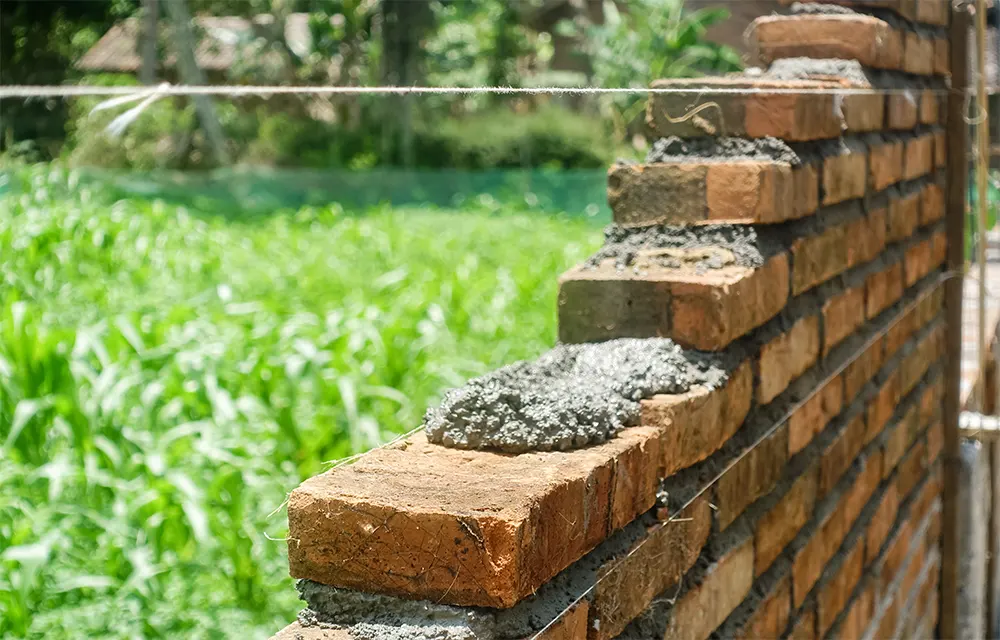
Retaining walls play a vital role in both residential and commercial developments, particularly in areas with sloped terrain, varying elevations, or soil stability challenges. These structures are designed to resist lateral soil pressure, prevent erosion, and create usable land space. However, like all engineered systems, retaining walls can deteriorate over time due to poor construction, changing soil conditions, water infiltration, or external loads.
Knowing when a retaining wall needs remediation services is crucial for ensuring the safety of property, protecting nearby structures, and avoiding costly collapse scenarios. In this article, we will explore the common signs of retaining wall distress, the underlying causes, and the engineering strategies used for remediation.
Why Retaining Walls Fail
Retaining walls fail for a variety of reasons, often linked to environmental, design, or construction issues. Understanding these causes is the first step in identifying whether remediation is required.
- Poor Drainage: One of the most common culprits. Water buildup behind the wall increases hydrostatic pressure, pushing the structure outward.
- Inadequate Design: Retaining walls not engineered and designed for site-specific soil conditions may not withstand lateral loads.
- Foundation Problems: Weak or improperly compacted foundations compromise the wall’s stability.
- Material Degradation: Timber, concrete, or masonry walls can weaken due to weather exposure, corrosion, or chemical attack.
- External Loads: Extra loads from vehicles, buildings, or added fill can overstress the wall beyond its original capacity.
Signs That a Retaining Wall Needs Remediation
- Cracking in the Wall
Visible cracks, whether vertical, horizontal, or diagonal, often signal distress. While small surface cracks may result from shrinkage, larger cracks typically indicate excessive pressure, foundation movement, or material fatigue.
Why it matters: Cracks allow water to penetrate, accelerating deterioration and destabilizing the wall.
- Bulging or Tilting
If a retaining wall begins to bow outward or tilt, it is a clear warning that soil or water pressure is exceeding its designed resistance.
Why it matters: Left unaddressed, tilting can lead to sudden failure, endangering people and property.
- Drainage Problems
Signs of poor drainage include water seeping through the retaining walls, pooling at the base, or saturated soil behind the structure.
Why it matters: Hydrostatic pressure is a leading cause of retaining walls failure. Effective drainage is essential to retaining wall performance.
- Soil Movement or Erosion
Gaps forming between the retained soil and the retaining walls, or erosion at the base, often point to compromised stability.
Why it matters: These conditions indicate that the wall is no longer effectively retaining soil, which undermines both functionality and safety.
- Foundation Settlement
Uneven settlement beneath the retaining walls may cause sections to lean, sink, or crack.
Why it matters: A weak or unstable foundation reduces the wall’s ability to withstand lateral loads, increasing the risk of collapse.
- Material Deterioration
Concrete spalling, timber rot, or corrosion of steel reinforcements are red flags that the wall’s structural integrity is weakening.
Why it matters: Material degradation reduces load-bearing capacity and shortens the wall’s lifespan.
When Remediation Is Necessary
Remediation is required when:
- The retaining walls shows progressive movement (e.g., cracks widening, tilt increasing).
- There is evidence of water infiltration or poor drainage systems.
- Structural damage is visible and threatens nearby property.
- Safety concerns are raised by engineers or inspectors.
Delaying remediation often leads to more complex and expensive repair work, making early action the most cost-effective approach.
Common Retaining Wall Remediation Techniques
- Drainage Improvements
Installing weep holes, perforated pipes, or geotextile drainage systems reduces hydrostatic pressure and prevents further damage.
- Structural Reinforcement
Steel anchors, soil nails, or tiebacks can provide additional lateral support, stabilizing walls at risk of collapse.
- Rebuilding or Partial Reconstruction
In severe cases, sections of the wall may need to be dismantled and rebuilt with stronger foundations or better materials.
- Grouting and Soil Stabilization
Injecting grout into voids behind the wall can strengthen foundations and fill gaps caused by erosion or settlement.
- Vegetation and Erosion Control
Planting vegetation or using geogrids/geocells helps stabilize soil and reduce surface water infiltration.
Preventative Measures to Extend Retaining Wall Life
To minimize the need for future remediation for your retaining walls:
- Conduct regular inspections for cracks, bulging, or drainage issues.
- Ensure proper grading around the wall to divert water away.
- Maintain functional drainage systems and clear blockages promptly.
- Avoid adding unplanned extra loads near the wall without engineering approval.
Conclusion
Retaining walls are essential structural systems, but they are not immune to failure. Recognizing early warning signs such as cracks, bulging, drainage issues, or material deterioration is critical for preventing collapse and safeguarding surrounding property.
Professional remediation solutions (from drainage improvements to full reconstruction) help restore stability and extend the life of these important structures.
If you’ve noticed any signs of distress in your retaining wall, don’t delay. Contact our team of structural and geotechnical experts for our Retaining Wall & Remedial Structure Design today through our Contact Us page to discuss inspection and remediation options.