
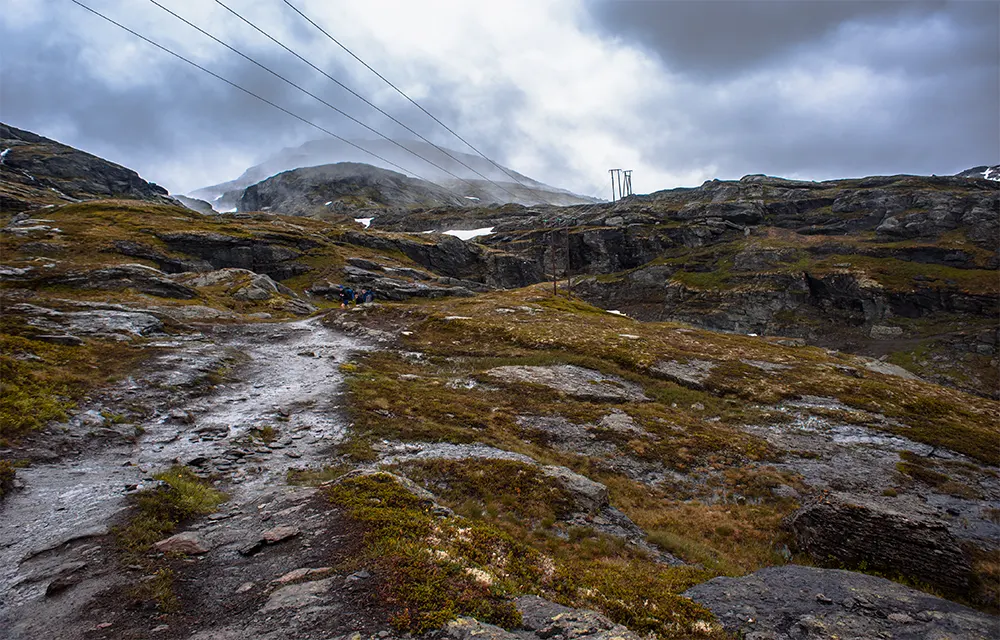
Slopes are an unavoidable part of many construction and infrastructure projects, particularly in countries like New Zealand where hills, coastal cliffs, and mountainous terrain dominate the landscape. While slopes can often be stable, the risk of slope failure (a sudden or gradual movement of soil or rock) poses a major hazard for civil engineering projects.
Understanding the factors that influence slope failure is critical for preventing disasters, protecting investments, and ensuring long-term safety.
1.Geological and Soil Conditions
The geological makeup of a site is one of the most significant influences on slope stability. Factors such as soil type, rock structure, and stratification directly affect how well a slope can withstand pressure.
- Weak soils like clays or silts are more prone to slippage, especially when saturated with water.
- Weathered or fractured rock may look stable but can collapse under stress.
- Layered soils with weak interfaces can create natural slip planes.
Early geotechnical site investigations, including soil testing and borehole drilling, are essential to detect these slope failure red flags before construction begins.
2.Groundwater and Drainage Issues
Water is one of the leading triggers of slope failure. When soils become saturated, their shear strength decreases, increasing the likelihood of movement.
- High groundwater tables add hydrostatic pressure, destabilizing slopes.
- Poor surface drainage leads to waterlogging, erosion, and loss of soil strength.
- Seepage forces can actively push soil particles downslope, accelerating failure.
In New Zealand’s wet climate, effective stormwater and subsurface drainage design is non-negotiable for slope stability.
3.Steepness and Geometry of Slopes
The angle of repose (the steepest angle at which a slope remains stable) varies depending on soil and rock type. Slopes cut too steeply during road building or land development can exceed this limit, increasing slope failure risks.
Engineers must carefully calculate slope geometry during design, sometimes introducing retaining walls, terracing, or reinforcement to counteract steepness.
4.External Loads and Construction Activities
Civil projects themselves can inadvertently contribute to slope failure.
- Excavation at the base of slopes can remove supporting material and trigger instability.
- Excess loading from heavy equipment, structures, or fill material on top of slopes increases pressure.
- Vibrations from piling, blasting, or nearby traffic can loosen soils and accelerate movement.
Construction monitoring is vital to detect these slope failure issues in real-time and adjust methods accordingly to decrease chance of slope failure.
5.Seismic Activity
In seismic zones like New Zealand, earthquakes are a critical factor in slope failure. Strong ground shaking reduces soil strength and can trigger landslides or liquefaction in saturated sandy soils.
Seismic slope stability assessments are required for many projects, particularly in regions near active fault lines, to design appropriate reinforcement measures.
6.Vegetation and Land Use Changes
Vegetation, particularly trees, helps stabilize slopes by reinforcing soil with root systems and reducing water infiltration. However, clearing vegetation for development can destabilize slopes significantly and further increase the chance of slope failure.
On the other hand, excessive tree removal, poorly planned farming, or deforestation can strip slopes of their natural resistance. In civil projects, engineers often recommend replanting or using bioengineering solutions to restore stability.
7.Weather and Climate Patterns
Long-term climate conditions play a role in slope stability. Prolonged rainfall, sudden storms, or extreme weather events can trigger slope failures.
With climate change increasing the frequency of heavy rainfall events in New Zealand, slopes that were once considered stable may now face greater risks, highlighting the need for updated assessments and adaptive designs.
8.Human Modifications and Poor Design
Not all slope failures are natural, many are caused by human error. Examples include:
- Insufficient geotechnical assessment before construction.
- Poorly designed retaining walls that fail under pressure.
- Inadequate drainage solutions that allow water buildup.
Investing in professional geotechnical engineering services early prevents these costly mistakes.
Identifying Warning Signs of Slope Failure
In addition to understanding influencing factors, developers and engineers should watch for warning signs such as:
- Cracks or bulges appearing on slopes.
- Leaning or tilting retaining walls.
- Sudden seepage of water or mud.
- Tilting trees, fences, or utility poles.
These indicators signal that slope instability may already be developing and require immediate geotechnical intervention.
Engineering Solutions for Slope Stability
When slope failure risks are identified, engineers apply stabilization techniques such as:
- Retaining wall construction to provide structural support.
- Soil nailing or rock bolting to anchor unstable materials.
- Drainage systems to control groundwater pressure.
- Terracing or benching to reduce slope angles.
- Bioengineering methods like vegetation planting to reinforce natural stability.
Choosing the right method depends on the site-specific conditions revealed during the investigation.
Conclusion: Building Stability into Every Project
Slope failure is one of the most dangerous and costly risks in civil projects, but it is also one of the most preventable. By understanding geological conditions, groundwater issues, slope geometry, seismic risks, and human impacts, engineers can design safe and reliable solutions.
At our firm, we provide slope stability assessments, ground investigations, and remediation designs that help developers build with confidence, even on challenging terrain.
Protect your next project from slope failure, Contact us today to discuss slope stability solutions tailored to your site.