At Chambers, we carry out ground investigations that give you the key information needed to understand soil conditions, behavior, and groundwater. This vital data helps you make informed design and construction decisions, leading to safer foundations, smarter planning, and lasting project success. Using advanced techniques and the latest technology, our team delivers accurate insights you can rely on.
What We Do
Our ground investigation services are designed to reveal the subsurface characteristics that affect your project. We focus on:
Groundwater Assessment
Measuring and analyzing groundwater levels and flow to determine its impact on design and construction.
Laboratory Testing
Conducting comprehensive tests to evaluate soil behavior, strength, and suitability for construction.
Soil Sampling
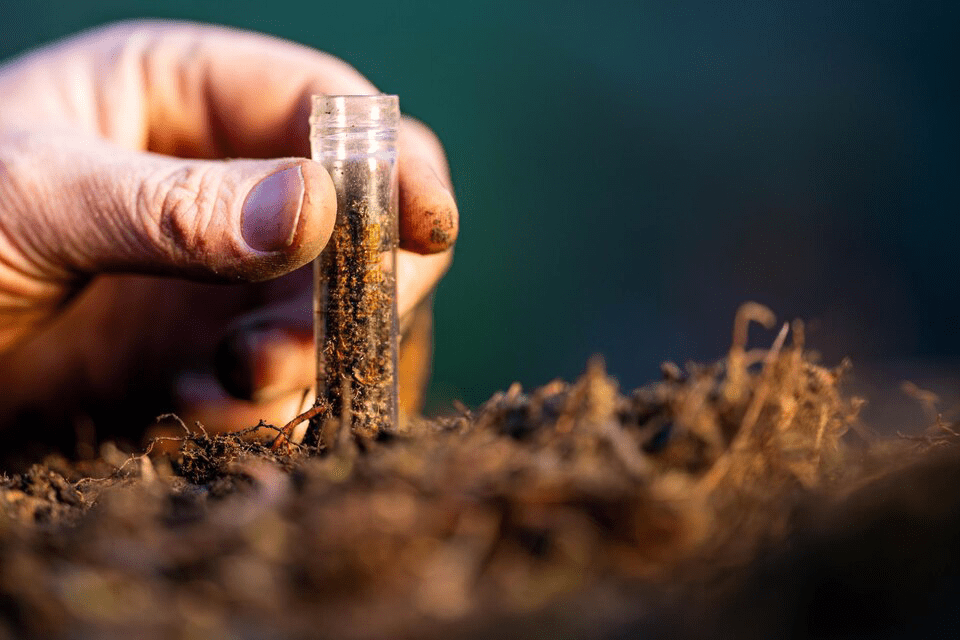
Collecting representative samples to analyze soil properties and composition.
By providing accurate and detailed data, we empower engineers and developers to create optimized, resilient designs tailored to the unique conditions of your site.
Our Key Services
Soil Sampling
Accurate soil sampling is the foundation of effective ground investigation:
In-Situ Collection: Using specialized equipment, our technicians collect soil samples from various depths and locations.
Representative Sampling: We ensure that the samples represent the overall soil profile, reducing uncertainty in the data.
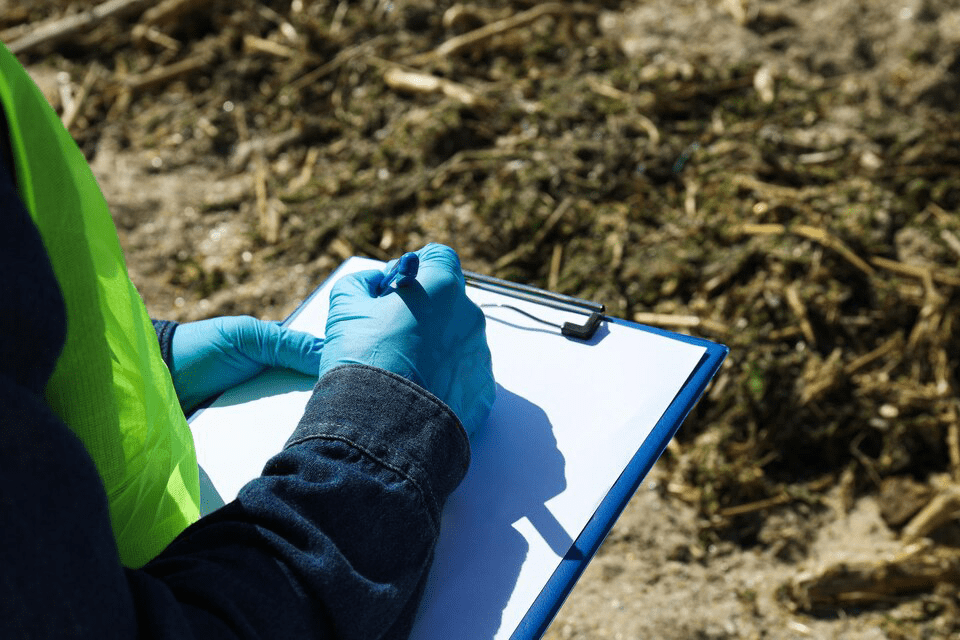
Detailed Logging: Each sample is meticulously documented, including location, depth, and visible characteristics.
Laboratory Testing
Our state-of-the-art laboratory testing provides a thorough analysis of soil properties:
Physical & Chemical Analysis: Tests such as grain size distribution, Atterberg limits, moisture content, and pH levels help determine soil suitability.
Strength & Stability Testing: Evaluations such as compaction tests, shear strength, and consolidation tests inform foundation design and stability.
Environmental Testing: Assessments to detect contaminants or other factors that could affect construction and sustainability.
Groundwater Assessment
Understanding groundwater conditions is crucial for safe design and construction:
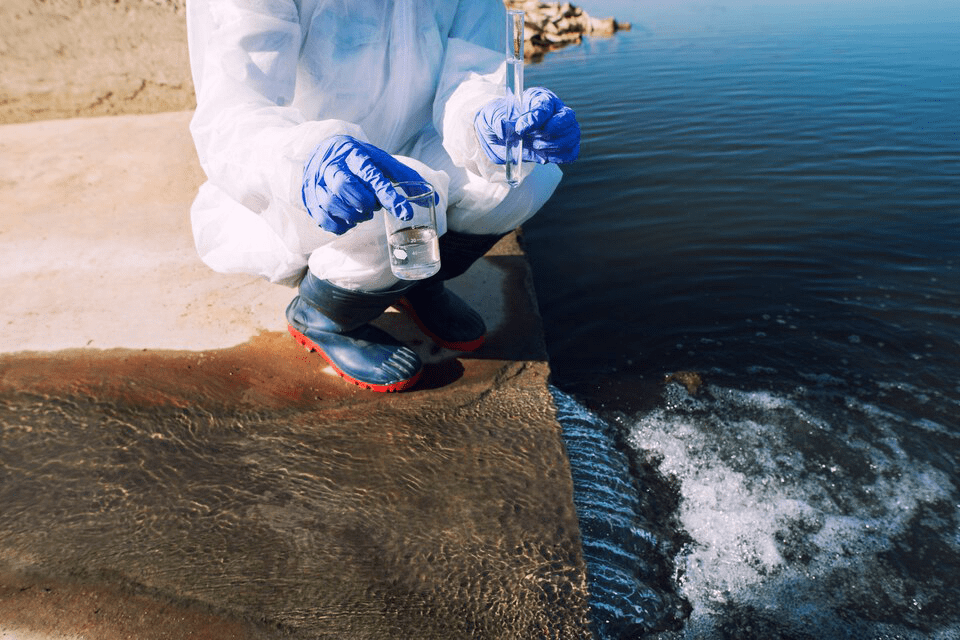
Water Level Monitoring: We measure groundwater levels across different seasons to understand variability and potential impact.
Hydrogeological Studies: Detailed investigations to assess the flow, recharge, and discharge areas, providing insight into the site’s water table dynamics.
Impact Analysis: Evaluating the potential influence of groundwater on soil behavior, construction techniques, and long-term durability.
How We Do Our Ground Investigation Services
Our approach to ground investigation services is systematic, accurate, and tailored to your project’s specific needs:
3. Field Execution
Using advanced equipment, we carry out thorough sampling and on-site measurements to capture accurate data.
2. Investigation Planning
Our experts develop a customized plan, selecting the optimal techniques and tools for soil sampling, laboratory testing, and groundwater assessment.
1. Initial Consultation
We begin by discussing project requirements, site history, and potential challenges.
6. Consultation & Support
Our team works closely with you to interpret the results and integrate them into your project plans.
5. Comprehensive Reporting
We compile our findings into a detailed report, highlighting key data, insights, and recommendations for design and construction.
4. Laboratory Analysis
Samples are tested in our modern labs, where experienced technicians perform a range of analyses to determine soil properties.
Innovation & Technology
We leverage the latest advancements to enhance our ground investigation services:
Advanced Sampling
Advanced Sampling Techniques
Advanced Sampling Techniques
Ensuring minimal disturbance and maximum accuracy.
Modern Lab Equipment
Modern Laboratory Equipment
Modern Laboratory Equipment
High-precision instruments for chemical, physical, and mechanical testing.
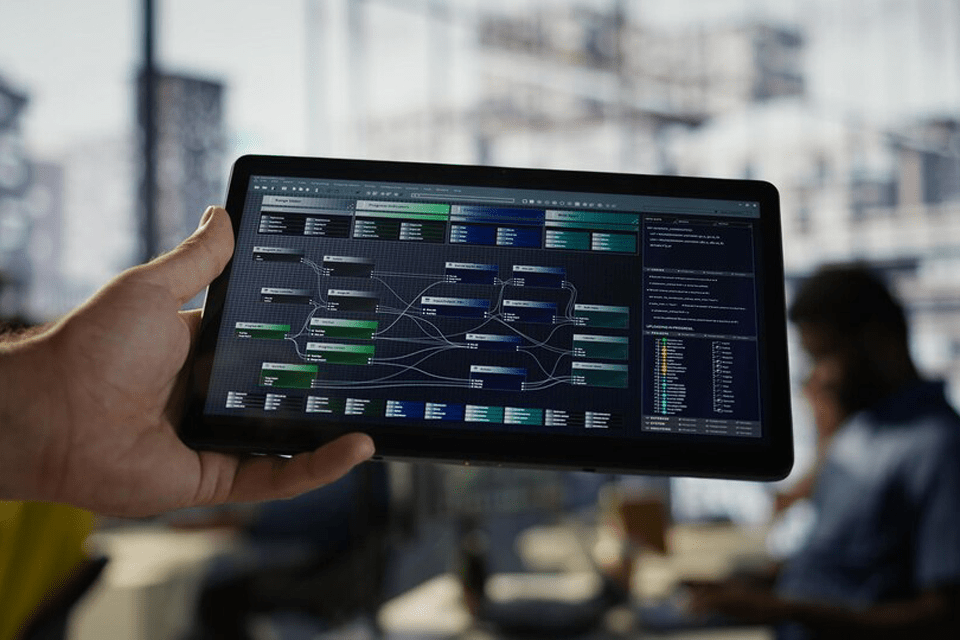
Digital Data Integration
Digital Data Integration
Digital Data Integration
Using cutting-edge software for data analysis and visualization, providing clear and actionable reports.
Remote Monitoring Tools
Remote Monitoring Tools
Remote Monitoring Tools
Real-time groundwater monitoring systems for continuous data collection and assessment.
Industries We Serve
We leverage the latest advancements to enhance our ground investigation services:
Government & Municipalities
Support infrastructure projects with accurate ground data to ensure public safety and regulatory compliance.
Residential & Commercial Developments
Enable safe and efficient construction for housing, retail, and mixed-use projects through informed foundation design.
Industrial & Manufacturing
Provide robust geotechnical data that underpins the stability of industrial facilities and large-scale operations
Transportation & Infrastructure
Ensure the longevity and safety of roads, bridges, and transit systems by understanding subsurface conditions.
Environmental & Remediation Projects
Identify potential contaminants and assess groundwater impacts to support sustainable and responsible development.
Why Ground Investigation Services are Important
Ground investigation services are a critical step in every construction project:
Regulatory Compliance
Comprehensive investigations ensure adherence to local, state, and national building standards.
Risk Mitigation
Early detection of potential issues minimizes risks, preventing costly delays and structural problems.
Informed Decision-Making
Detailed data on soil and groundwater conditions allows for optimized design and construction plans.
Environmental Stewardship
Sustainable ground investigations help protect natural resources and ensure minimal environmental impact.
Cost Efficiency
Accurate data prevents over-engineering and reduces material wastage, saving money in the long term.
Investing in thorough ground investigations is key to building safe, durable, and sustainable structures.
FAQs
Have questions? We have answers:
What is the importance of soil sampling in ground investigations?
Soil sampling provides the fundamental data required to understand soil composition and behavior, which is essential for designing safe and effective foundations.
How does laboratory testing support construction decisions?
Laboratory testing offers detailed insights into soil strength, stability, and environmental factors, helping engineers make informed design choices that enhance safety and performance.
Why is groundwater assessment critical for construction projects?
Groundwater assessment helps identify potential issues related to water levels and flow, ensuring that construction methods and foundation designs account for these factors to avoid future complications.
For additional questions, please visit our FAQ page or contact our team directly.
Contact Us
Ready to gain the insights you need for your project? Reach out to us today to discuss your ground investigation requirements, request a quote, or learn more about our comprehensive services.
Yes, if contaminants are detected during testing, we provide tailored remediation recommendations and collaborate with environmental specialists to ensure safe, compliant solutions for your project.
Yes, clients can access data and reports digitally through cloud-based platforms. We ensure that all collected data is easily shareable and compatible with various planning tools, allowing for seamless integration. This enables clients to track progress, review insights, and make informed decisions in real-time.
The turnaround time for complete lab analysis and final reporting generally ranges from one to three weeks, depending on the sample type and the testing complexity.
Groundwater levels can vary seasonally, so surprises occasionally happen, especially after heavy rains or droughts. That’s why we conduct regular monitoring and use real-time data tools to track changes closely, allowing us to adjust project plans proactively and avoid unexpected issues.
Yes, certain soil conditions can definitely cause delays during construction.
For example:
1.Highly plastic clays swell when wet and shrink when dry, making excavation and compaction tricky.
2.Loose, sandy soils can collapse into trenches or require dewatering if the water table is high.
3.Peat or organic soils have very low bearing capacity, often requiring full replacement or deep foundations.
4.Rocky or boulder-filled soils can slow excavation because of the need for heavy machinery or blasting.
On the other hand, stable, well-graded granular soils with good drainage rarely cause major delays, they’re easier to work with, require less special equipment, and usually don’t need costly ground improvement.
We determine the scope of a ground investigation by first understanding the project type, site conditions, and design requirements. This includes assessing soil types, expected loads, environmental constraints, and regulatory needs. From there, we tailor the investigation plan (selecting appropriate tests, sampling locations, and depth ranges) to ensure comprehensive and relevant data for safe and efficient design.
Yes, we use in-situ testing methods such as Cone Penetration Tests (CPT) and Standard Penetration Tests (SPT). The choice depends on project needs and soil conditions.
CPT is preferred for soft to medium soils where continuous soil profiling and strength parameters are needed quickly.
SPT is often used in granular soils or when sampling is required for laboratory testing.
We typically assess project requirements, soil type, and design objectives to decide which test (or a combination) provides the most reliable data.
Yes, we provide detailed recommendations for remediation whenever issues are identified. Whether it’s soil stabilization, drainage improvements, or contamination management, our guidance helps ensure the site is safe, compliant, and suitable for construction, minimizing risks and future maintenance challenges.
We prioritize tests based on project stage, risk factors, and site conditions. Critical areas that impact design or safety are tested first, followed by secondary assessments to ensure comprehensive coverage without delaying the project.
We enhance the accuracy of ground investigations using a combination of advanced technologies:
1.Cone Penetration Testing (CPT) and Standard Penetration Testing (SPT): Provide precise soil strength and density data.
2.Ground Penetrating Radar (GPR): Detects subsurface features, utilities, and anomalies without excavation.
3.Geophysical Surveys: Techniques like seismic refraction and resistivity mapping reveal underground structures and soil layers.
4.GPS/GNSS and Total Stations: Ensure highly accurate location and elevation data for sampling points.
5.3D Laser Scanning & Digital Modeling: Create detailed site models to integrate field data with design and planning.
6.Data Analytics & Software Integration: Process and interpret collected data efficiently to reduce errors and support informed decisions.
These tools collectively improve reliability, reduce risks, and provide actionable insights for civil and structural projects.
If unexpected contamination is found, we immediately assess the risk, document the findings, and provide clear recommendations for remediation. Our team coordinates with relevant authorities and stakeholders to ensure safe, compliant, and cost-effective solutions.
We integrate ground data with structural design by using soil and geotechnical reports to inform foundation type, load capacities, and ground-structure interaction. This ensures that the structural elements are safely supported, optimized for site conditions, and compliant with engineering standards.
Yes, ground investigations are essential for preventing slope failures and settlement problems. Here’s how they help:
1.Understanding Subsurface Conditions
2.Assessing Slope Stability
3.Evaluating Settlement Risks
4.Supporting Mitigation and Design
We perform detailed soil investigations and tailor foundation or design solutions to suit each zone, ensuring stability and compliance across the site.
Yes, we integrate ground investigation results directly into BIM models to provide a complete and accurate digital representation of site conditions. This allows design and construction teams to visualize subsurface data, anticipate challenges, and make informed decisions throughout the project lifecycle.


















Do you provide recommendations for remediation if contaminants are found during testing?
Yes, if contaminants are detected during testing, we provide tailored remediation recommendations and collaborate with environmental specialists to ensure safe, compliant solutions for your project.
Can clients access the data and reports digitally for integration into their own planning tools?
Yes, clients can access data and reports digitally through cloud-based platforms. We ensure that all collected data is easily shareable and compatible with various planning tools, allowing for seamless integration. This enables clients to track progress, review insights, and make informed decisions in real-time.
What’s the turnaround time for complete lab analysis and final reporting?
The turnaround time for complete lab analysis and final reporting generally ranges from one to three weeks, depending on the sample type and the testing complexity.
Love how detailed and methodical your ground investigation process is. That’s real peace of mind for builders.
Your use of modern lab tech and digital data integration is a big plus—feels very future-forward.
Appreciate how your team tailors investigations to each site
Ground investigations are often underappreciated, but this shows how vital they are.
Groundwater dynamics are so often overlooked good to see you put it front and center for everyone
Looks like your investigations prevent a lot of costly surprises before building even starts.
the services they provide is amazing both in quality and in price
How often do groundwater levels surprise you during seasonal assessments and testing?
Groundwater levels can vary seasonally, so surprises occasionally happen, especially after heavy rains or droughts. That’s why we conduct regular monitoring and use real-time data tools to track changes closely, allowing us to adjust project plans proactively and avoid unexpected issues.
The emphasis on both physical and environmental testing is so important. Great to see that balance.
Incredible how much insight can come from just understanding what’s beneath the surface
Are there certain soil conditions that tend to cause more delays during construction or soil condition does not cause any delays?
Yes, certain soil conditions can definitely cause delays during construction.
For example:
1.Highly plastic clays swell when wet and shrink when dry, making excavation and compaction tricky.
2.Loose, sandy soils can collapse into trenches or require dewatering if the water table is high.
3.Peat or organic soils have very low bearing capacity, often requiring full replacement or deep foundations.
4.Rocky or boulder-filled soils can slow excavation because of the need for heavy machinery or blasting.
On the other hand, stable, well-graded granular soils with good drainage rarely cause major delays, they’re easier to work with, require less special equipment, and usually don’t need costly ground improvement.
The level of accuracy in your sampling and testing makes such a difference
How do you determine the scope of a ground investigation project?
We determine the scope of a ground investigation by first understanding the project type, site conditions, and design requirements. This includes assessing soil types, expected loads, environmental constraints, and regulatory needs. From there, we tailor the investigation plan (selecting appropriate tests, sampling locations, and depth ranges) to ensure comprehensive and relevant data for safe and efficient design.
Do you use in-situ testing like CPT or SPT, and how do you choose?
Yes, we use in-situ testing methods such as Cone Penetration Tests (CPT) and Standard Penetration Tests (SPT). The choice depends on project needs and soil conditions.
CPT is preferred for soft to medium soils where continuous soil profiling and strength parameters are needed quickly.
SPT is often used in granular soils or when sampling is required for laboratory testing.
We typically assess project requirements, soil type, and design objectives to decide which test (or a combination) provides the most reliable data.
Do you provide recommendations for remediation if issues are found?
Yes, we provide detailed recommendations for remediation whenever issues are identified. Whether it’s soil stabilization, drainage improvements, or contamination management, our guidance helps ensure the site is safe, compliant, and suitable for construction, minimizing risks and future maintenance challenges.
How do you prioritize which tests to perform first?
We prioritize tests based on project stage, risk factors, and site conditions. Critical areas that impact design or safety are tested first, followed by secondary assessments to ensure comprehensive coverage without delaying the project.
What technologies enhance the accuracy of ground investigations?
We enhance the accuracy of ground investigations using a combination of advanced technologies:
1.Cone Penetration Testing (CPT) and Standard Penetration Testing (SPT): Provide precise soil strength and density data.
2.Ground Penetrating Radar (GPR): Detects subsurface features, utilities, and anomalies without excavation.
3.Geophysical Surveys: Techniques like seismic refraction and resistivity mapping reveal underground structures and soil layers.
4.GPS/GNSS and Total Stations: Ensure highly accurate location and elevation data for sampling points.
5.3D Laser Scanning & Digital Modeling: Create detailed site models to integrate field data with design and planning.
6.Data Analytics & Software Integration: Process and interpret collected data efficiently to reduce errors and support informed decisions.
These tools collectively improve reliability, reduce risks, and provide actionable insights for civil and structural projects.
How do you handle unexpected contamination during investigation?
If unexpected contamination is found, we immediately assess the risk, document the findings, and provide clear recommendations for remediation. Our team coordinates with relevant authorities and stakeholders to ensure safe, compliant, and cost-effective solutions.
How do you integrate ground data with structural design requirements?
We integrate ground data with structural design by using soil and geotechnical reports to inform foundation type, load capacities, and ground-structure interaction. This ensures that the structural elements are safely supported, optimized for site conditions, and compliant with engineering standards.
This level of insight is exactly what responsible development looks like.
Foundations literally depend on this kind of detail
Can ground investigations help prevent slope or settlement issues?
Yes, ground investigations are essential for preventing slope failures and settlement problems. Here’s how they help:
1.Understanding Subsurface Conditions
2.Assessing Slope Stability
3.Evaluating Settlement Risks
4.Supporting Mitigation and Design
How do you handle sites with variable soil conditions?
We perform detailed soil investigations and tailor foundation or design solutions to suit each zone, ensuring stability and compliance across the site.
How often do findings alter the original design plan?
It happens occasionally; significant findings can lead to design adjustments to ensure safety and compliance.
do you integrate ground investigation results into BIM models?
Yes, we integrate ground investigation results directly into BIM models to provide a complete and accurate digital representation of site conditions. This allows design and construction teams to visualize subsurface data, anticipate challenges, and make informed decisions throughout the project lifecycle.
This approach clearly sets a project up for long-term durability