
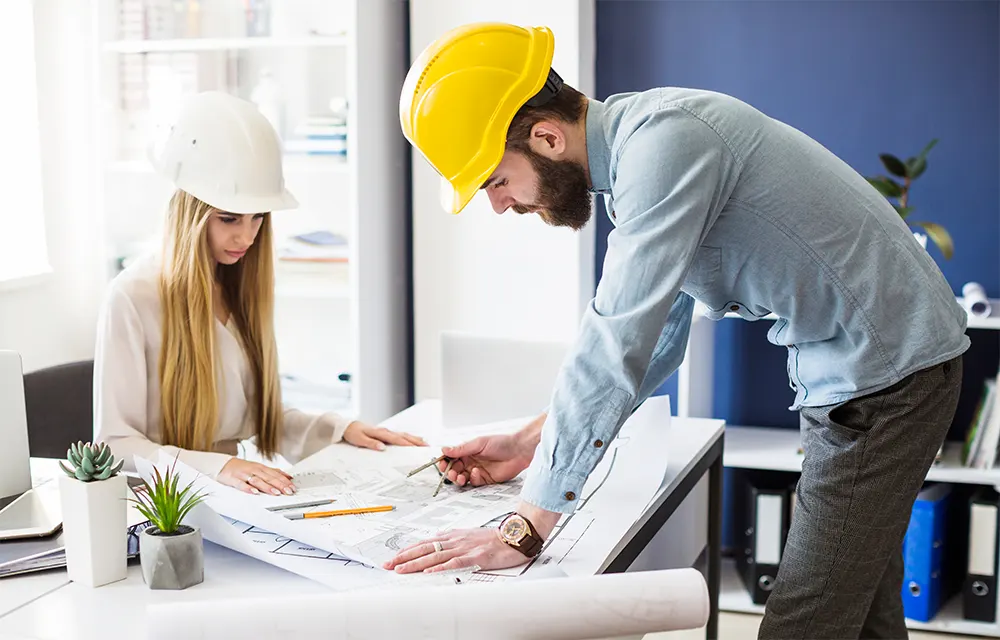
In modern construction, successful projects are the result of effective collaboration among multiple disciplines. Among these, the partnership between architects and structural engineers stands at the core of every durable, functional, and visually appealing building. This collaboration ensures that artistic vision and structural integrity coexist, transforming creative concepts into safe, efficient, and enduring realities.
The Importance of Collaboration in Building Design
Architecture and structural engineering share a common goal: to bring built environments to life. However, their roles differ in focus, architects prioritize aesthetics, space utilization, and user experience, while structural engineers ensure the design can withstand loads, forces, and environmental conditions.
Without proper communication between architects and structural engineers, projects risk becoming either unsafe or aesthetically compromised. Early and continuous collaboration minimizes design conflicts, saves costs, and improves construction efficiency.
Roles of Architects and Structural Engineers
- The Architect’s Role
Architects are responsible for developing the conceptual and aesthetic vision of a structure. They design layouts, spatial relationships, façades, and finishes to meet both the client’s and the users’ needs. Beyond aesthetics, they ensure the building complies with regulations, environmental standards, and accessibility requirements.
- The Structural Engineer’s Role
Structural engineers translate architectural concepts into physical systems capable of safely supporting loads and resisting forces such as wind, gravity, and seismic activity. They determine materials, analyze load paths, and design foundations, beams, and columns to ensure the building’s strength and longevity.
Key Stages of Collaboration Between Architects and Structural Engineers
- Conceptual Design Phase
At the project’s inception, collaboration between architects and structural engineers ensures that the architect’s creative vision aligns with structural feasibility. Structural engineers assess the proposed design to determine if it can be realistically achieved while maintaining safety and cost-efficiency.
- Design Development Phase
As the design evolves, structural engineers refine calculations, optimize material use, and identify potential issues in load distribution or support. Continuous coordination during this stage prevents conflicts between architectural elements and structural systems.
- Construction Documentation Phase
Architects and engineers prepare detailed plans and technical drawings. Their coordination ensures all specifications (from beam placements to façade details) are accurately integrated. Misalignment at this stage can cause construction delays or cost overruns.
- Construction and Site Supervision
During construction, both professionals may collaborate to address unforeseen issues, approve modifications, and ensure design integrity. Ongoing communication ensures that structural adjustments don’t compromise architectural intent.
Benefits of Effective Collaboration Between Architects and Structural Engineers
- Enhanced Design Efficiency
When architects and structural engineers work together from the start, the project benefits from optimized design solutions that are both functional and visually compelling.
- Cost and Time Savings
Early collaboration between architects and structural engineers, helps identify structural challenges before construction begins, reducing redesigns and minimizing material waste.
- Improved Safety and Performance
Structural engineers ensure that creative design choices don’t compromise safety. Together, they balance innovation with stability.
- Sustainable and Energy-Efficient Outcomes
Joint efforts often lead to designs that optimize natural light, airflow, and material efficiency, reducing environmental impact and operational costs.
- Reduced Risk of Design Conflicts
Collaborative communication helps prevent coordination errors, such as misaligned supports or incompatible materials, that can delay construction.
Real-World Examples of Successful Collaboration of Architects and Structural Engineers
- Skyscrapers and High-Rise Buildings: These projects demand innovative structural systems to support complex architectural forms. For instance, the collaboration between architects and engineers led to efficient load distribution in buildings like the Burj Khalifa.
- Cultural and Civic Centers: Projects such as museums and performing arts centers often combine bold architectural expression with advanced structural solutions to achieve unique spatial forms.
- Sustainable Buildings: Collaboration fosters energy-efficient designs that utilize natural forces such as wind and sunlight, integrating environmental performance with aesthetics.
Challenges in Architect and Structural Engineer Collaboration
Despite shared goals, challenges can arise from:
- Differences in design priorities or communication styles.
- Budget constraints limiting design possibilities.
- Late involvement of engineers in the design process.
These challenges can be mitigated through Building Information Modeling (BIM), integrated project delivery (IPD), and open communication. These modern tools and practices allow real-time collaboration and better visualization of interdisciplinary decisions.
The Role of Technology in Collaboration
Today’s construction industry benefits from digital platforms that facilitate real-time coordination. Tools like Revit, AutoCAD, and BIM software allow both architects and engineers to work on shared models, instantly identifying and resolving design conflicts. This not only improves project accuracy but also enhances efficiency throughout the design and construction lifecycle.
Building a Collaborative Mindset
True collaboration between architects and structural engineers goes beyond sharing drawings, it’s about cultivating mutual respect and understanding. Architects should appreciate structural constraints, while engineers should understand the aesthetic vision. Successful partnerships thrive on shared problem-solving, transparency, and adaptability.
Conclusion
The collaboration between architects and structural engineers forms the backbone of every successful construction project. Their combined expertise transforms imagination into reality, ensuring buildings are not only beautiful but also safe, sustainable, and enduring.
In New Zealand’s growing urban environments, where innovation meets seismic and environmental challenges, such collaboration between architects and structural engineers is more critical than ever. When design and structure work in harmony, the result is architecture that stands the test of time, both visually and structurally.
Looking for expert collaboration between architectural and structural engineering disciplines?
Explore our Structural Engineering Services and Project Management services to ensure your next project achieves excellence in both form and function.
Contact us today to discuss your project requirements.