
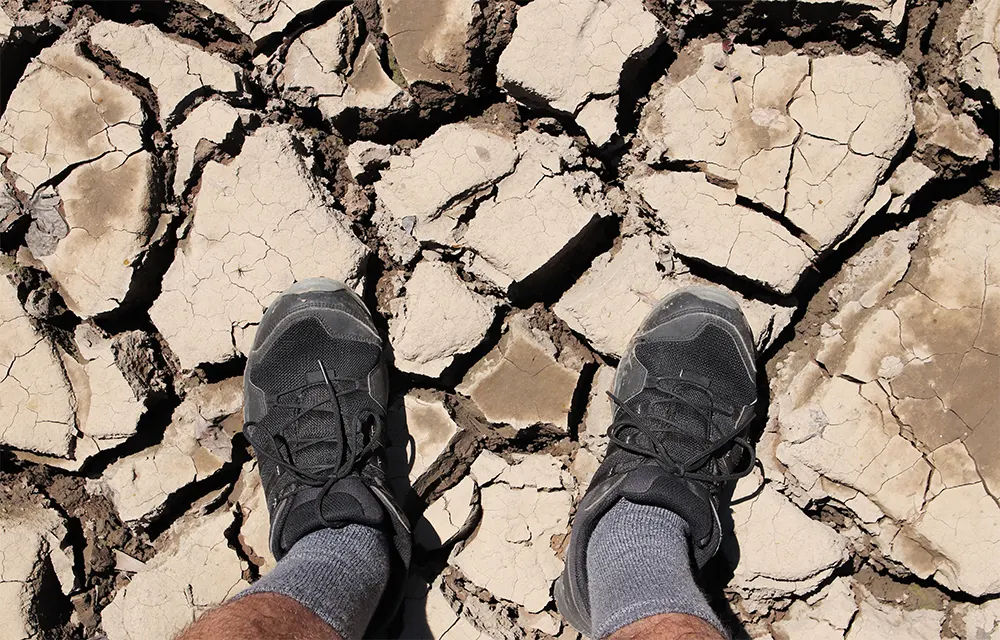
Every strong and durable structure begins with a stable foundation. However, when the soil beneath a structure is weak, unstable, or poorly understood, even the best-designed building can experience cracking, tilting, or catastrophic failure. The impact of poor soil conditions on structural safety is one of the most critical yet often underestimated aspects of construction.
Understanding how soil behaves under load (and ensuring it can support a structure safely) is the foundation of geotechnical engineering. In this article, we’ll explore how poor soil conditions affect structural integrity, the warning signs of instability, and the engineering solutions that help prevent costly and dangerous failures.
Why Soil Conditions Matter in Construction
Soil isn’t just the surface layer we build upon, it’s a complex system made up of minerals, air, water, and organic matter that determines how a structure interacts with the ground. The strength, compressibility, and moisture content of the soil directly influence how a building behaves over time.
If the ground is not properly assessed or treated before construction, even small soil weaknesses can lead to large structural problems. The performance of foundations, retaining walls, and underground utilities all depends on understanding and managing soil behavior.
Common Poor Soil Conditions That Threaten Structural Safety
- Soft or Weak Soils
First instance of poor soil conditions is soft clays. Soft clays, loose sands, and organic soils lack the strength to support heavy loads. When buildings are constructed on such materials, the soil compresses unevenly, causing differential settlement, where one part of the structure sinks more than another.
Impact: Cracks in walls, misaligned doors and windows, and in severe cases, structural collapse.
Solution: Engineers may recommend soil stabilization, deep foundations (such as piles), or ground improvement techniques like stone columns to increase load-bearing capacity.
- Expansive Clay Soils
Certain clays expand when wet and shrink when dry, creating pressure against foundations and causing them to move or crack. This is common in regions with seasonal rainfall and temperature variations.
Impact: Structural distortion, slab cracking, and long-term foundation movement.
Solution: Engineers often use lime or cement treatment to reduce swelling, design floating slabs that can flex without cracking, or employ deep footings that extend below the zone of seasonal moisture change.
- Poorly Compacted Fill
When a site is filled with loose soil or construction debris without proper compaction, it can settle unevenly over time. This is one of the leading causes of post-construction settlement.
Impact: Uneven floors, cracking foundations, and movement in retaining walls.
Solution: Before construction, the fill must be mechanically compacted in layers and tested for density. Geotechnical engineers verify compaction using field density tests to ensure uniformity.
- High Groundwater Table
Another instance of poor soil conditions is high ground water or excess water. Excess groundwater reduces soil strength and can cause uplift pressure beneath foundations or basements. In saturated sands, it can even lead to liquefaction during earthquakes.
Impact: Reduced bearing capacity, foundation heave, water infiltration, and slope instability.
Solution: Installing dewatering systems, drainage layers, or designing waterproof substructures helps manage groundwater. In high-risk zones, engineers may recommend piled foundations to transfer loads below the water table.
- Erodible or Collapsible Soils
Certain soils, like loose sands or loess, can collapse suddenly when wet or disturbed, leading to rapid settlement or slope failure.
Impact: Sudden structural damage, foundation cracking, or complete collapse of small structures.
Solution: Geotechnical engineers identify these soils during site investigations and may stabilize them using grouting, cement mixing, or compaction techniques.
- Heterogeneous Soil Layers
When the soil profile varies significantly across a site, one part of a foundation might rest on strong ground while another sits on weak soil. This uneven support causes differential movement and stress in structural elements and create another instance of poor soil conditions.
Impact: Structural distortion, bending of beams and slabs, and damage to finishes.
Solution: The solution involves detailed subsurface mapping and designing differentially tolerant foundations, for example, combining shallow and deep foundations as needed.
How Poor Soil Conditions Lead to Structural Failures
- Settlement and Differential Movement
If the soil beneath a building compresses over time, the structure settles. Uneven settlement creates stress points, leading to cracks, misalignment, and even partial collapse.
- Loss of Bearing Capacity
Weak or saturated soils can’t hold the loads transferred by the foundation. Once the bearing capacity is exceeded, the soil shears or flows, leading to tilting or sinking of the building.
- Erosion and Washout
Water movement around foundations can erode soil, reducing support and causing instability in slopes, retaining walls, and bridges.
- Uplift and Heave
Expansive soils or frost action can push foundations upward, damaging slabs and pavements.
Each of these failure modes underscores why geotechnical evaluation is critical before construction begins.
How Geotechnical Engineers Prevent Problems Before They Occur
Geotechnical engineers act as the first line of defense against structural instability caused by poor soil conditions. Their work typically involves:
- Site Investigation: Using boreholes, test pits, and cone penetration testing (CPT) to assess subsurface conditions.
- Laboratory Testing: Measuring soil properties like shear strength, compressibility, and permeability.
- Analysis and Design: Calculating foundation requirements based on loads, soil capacity, and environmental conditions.
- Ground Improvement Solutions: Recommending methods such as compaction, soil stabilization, or drainage to improve site conditions.
- Construction Monitoring: Verifying that the ground behaves as expected during and after construction.
This comprehensive process ensures that soil-related risks are minimized before structures are built.
Real-World Example: Foundation Failure Due to Poor Soil Conditions
In one case study from an urban development site, residential buildings began experiencing severe wall cracking within a year of construction. Investigation revealed that the developer had not conducted a proper geotechnical report, the buildings were founded on soft clay with high moisture content.
Remediation required underpinning the foundations with piles, a costly process that could have been avoided with early soil testing. This illustrates how poor soil conditions can have major financial and safety consequences.
The Cost of Ignoring Poor Soil Conditions
- Increased Construction Costs: Unforeseen soil problems lead to design changes and delays.
- Long-Term Maintenance Issues: Cracks, leaks, and uneven settlement require continuous repair.
- Reduced Structural Lifespan: Foundations degrade faster when built on unstable ground.
- Safety Hazards: In extreme cases, failure of soil-bearing capacity can result in building collapse.
A relatively small investment in geotechnical investigation and design can prevent these costly and dangerous outcomes.
Conclusion: Building Stability Starts Beneath the Surface
No structure can be safe if the ground beneath it is unstable. Poor soil conditions directly affect structural safety, leading to settlement, cracking, and long-term damage. But with thorough investigation, accurate testing, and expert geotechnical design, these risks can be effectively managed.
At our firm, we specialize in identifying, analyzing, and resolving soil-related challenges with our comprehensive soil testing services to ensure every structure stands on solid, reliable ground.
Secure the stability of your next project, Contact us today to discuss our geotechnical engineering and ground investigation services.