At Chambers, we help shape stronger communities through our comprehensive infrastructure development services. We believe thriving societies are built on reliable, efficient, and sustainable infrastructure; that’s exactly what we deliver. From careful planning to seamless execution, our team is committed to creating innovative solutions that tackle today’s challenges while preparing for tomorrow’s opportunities.
Our Key Services
Road and Highway Design
Our team leverages advanced design technologies to develop road and highway systems that cater to both current and future transportation needs. We emphasize:
Safety & Efficiency: Through rigorous traffic analysis and innovative planning.
Advanced Technology: Using state-of-the-art software to optimize routes and manage congestion.
Future-Ready Planning: Designing networks that adapt to evolving urban landscapes.
Bridge Design
Bridges are essential connectors in any community. Our bridge design services combine creative engineering with practical functionality to produce structures that stand the test of time. We focus on:
Structural Integrity: Comprehensive assessments and meticulous planning.
Customized Solutions: Addressing unique geographical and environmental challenges.
Modern Techniques: Incorporating innovative materials and construction methods for enhanced durability
Utility Design
Reliable utility systems are the backbone of modern urban areas. We offer end-toend utility design services that ensure water, sewage, and drainage systems operate flawlessly. Our approach includes:
Integrated Planning: Collaborating with local stakeholders to meet diverse community needs.Technolog
cal Excellence: Utilizing advanced modeling to ensure efficiency and reliability.
Sustainability: Crafting systems that are resilient and eco-friendly.
Road and Highway Design
Our team leverages advanced design technologies to develop road and highway systems that cater to both current and future transportation needs. We emphasize:
Safety & Efficiency: Through rigorous traffic analysis and innovative planning.
Advanced Technology: Using state-of-the-art software to optimize routes and manage congestion.
Future-Ready Planning: Designing networks that adapt to evolving urban landscapes.
Bridge Design
Bridges are essential connectors in any community. Our bridge design services combine creative engineering with practical functionality to produce structures that stand the test of time. We focus on:
Structural Integrity: Comprehensive assessments and meticulous planning.
Customized Solutions: Addressing unique geographical and environmental challenges.
Modern Techniques: Incorporating innovative materials and construction methods for enhanced durability
Utility Design
Reliable utility systems are the backbone of modern urban areas. We offer end-toend utility design services that ensure water, sewage, and drainage systems operate flawlessly. Our approach includes:
Integrated Planning: Collaborating with local stakeholders to meet diverse community needs.
Technological Excellence: Utilizing advanced modeling to ensure efficiency and reliability.
Sustainability: Crafting systems that are resilient and eco-friendly.
How We Do Our Infrastructure Development
Our process is built on a foundation of innovation, expertise, and collaboration:
Precision Execution
With meticulous attention to detail, we bring projects to life using experienced professionals and state-of-the-art equipment.
Comprehensive Planning
Our team develops tailored strategies thatincorporate cutting-edge technology, environmental insights, and futurescalability.
Detailed Consultation
We begin by understanding your vision,requirements, and specific challenges.
Ongoing Support
Beyond project completion, we offer maintenance andupgrade solutions to ensure long-term success.
Innovation & Technology
We are at the forefront of industry advancements, using the latest technology to ensure every project is executed with precision and efficiency:
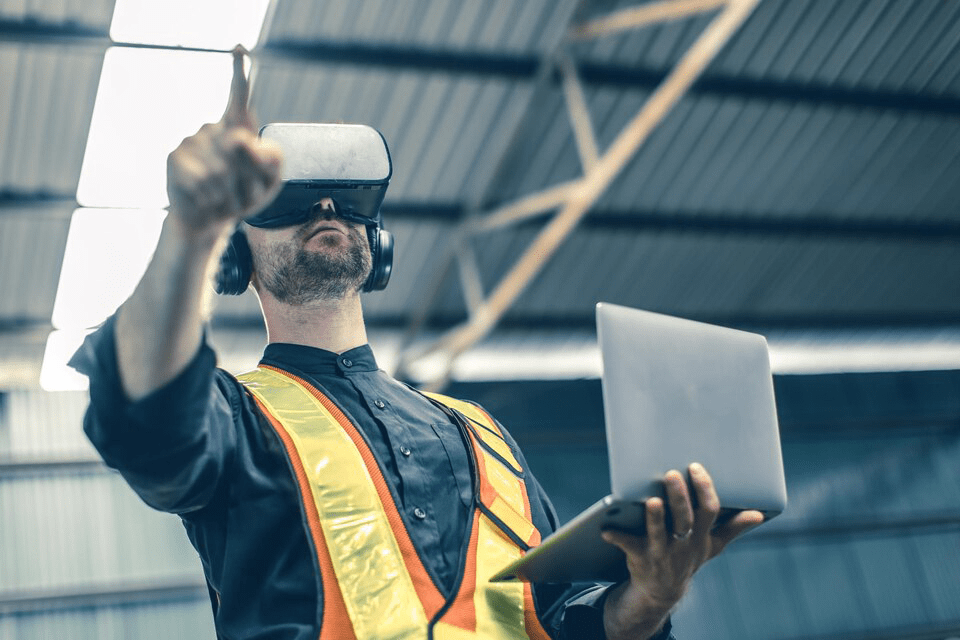
Digital Twin & BIM
Digital Twin & BIM
Digital Twin & BIM
Leveraging digital twin technology and Building
Information Modeling (BIM) to simulate, plan, and optimize projects before
ground is broken.
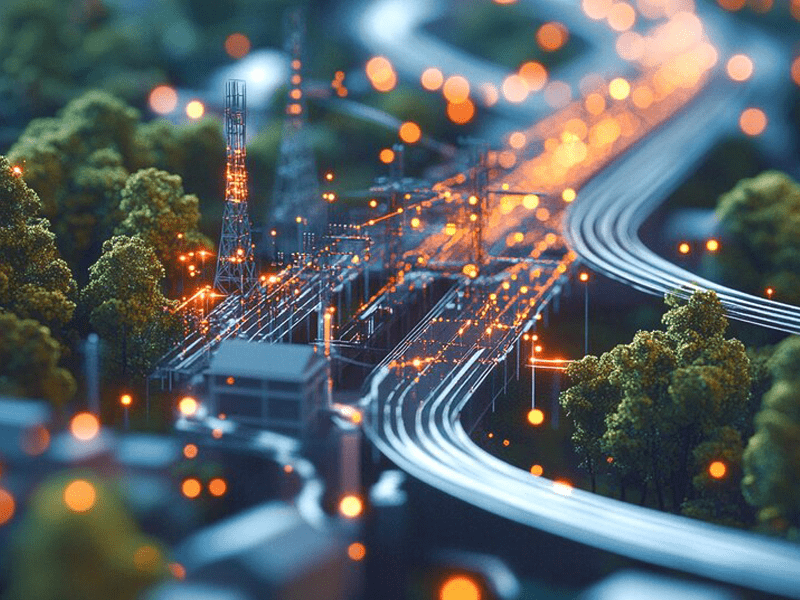
Smart Infrastructure
Smart Infrastructure
Smart Infrastructure
Integrating IoT sensors and real-time monitoring systems to manage infrastructure performance and maintenance proactively.
Sustainable Materials
Sustainable Materials
Sustainable Materials
Researching and employing cutting-edge sustainable
materials that reduce environmental impact and improve long-term
durability.
Sustainability & Impact
Sustainability is at the heart of what we do. Our commitment to eco-friendly practices ensures that our projects not only meet regulatory requirements but also create lasting, positive impacts on the community and the environment:
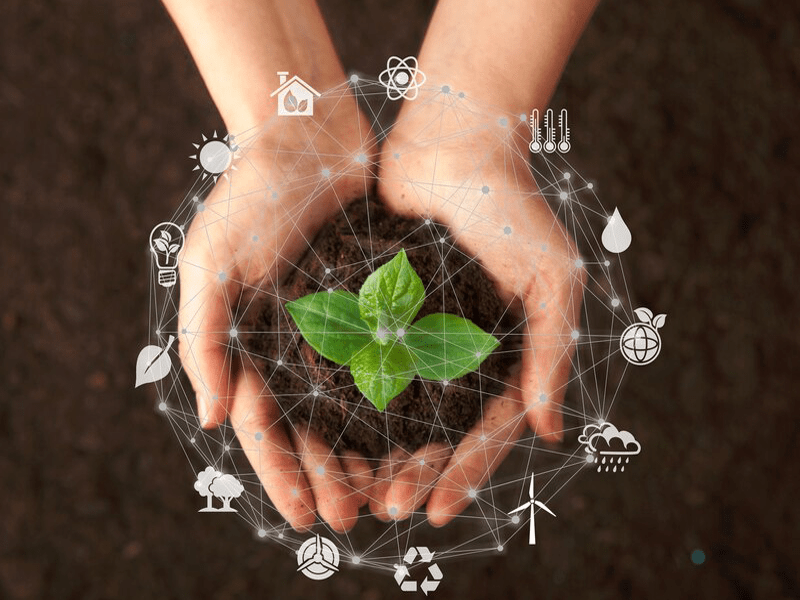
• Eco-Friendly Designs: Incorporating green spaces, renewable energy solutions, and sustainable drainage systems.
• Community Benefits: Ensuring that our projects improve quality of life, stimulate local economies, and support community resilience.
Industries We Serve
We take pride in serving a diverse range of industries with our comprehensive infrastructure development solutions. Our extensive experience allows us to tailor our services to the unique challenges and requirements of each sector:
Transportation & Logistics
Our road and highway designs optimize transportation networks, ensuring safe and efficient movement for both commuters and freight, while addressing congestion and connectivity challenges.
Commercial & Retail Developments
We work with commercial developers to create infrastructure that boosts accessibility, drives economic growth, and supports vibrant business environments.
Government & Municipalities
We collaborate with local governments to develop public spaces and infrastructure that meet community needs and support sustainable growth.
Utility Providers
We collaborate with both public and private utility providers to design and implement reliable water, sewage, and drainage systems that support urban growth and sustainability
Residential & Community Development
Supporting residential projects, we design roads, bridges, and utilities that foster community growth and enhance livability.
Industrial & Manufacturing
Our robust infrastructure development solutions meet the high demands of industrial and manufacturing facilities, ensuring operational efficiency and regulatory compliance.
Why Choose Us
Choosing Chambers means partnering with a leader in infrastructure development. Here’s what sets us apart:
Client-Centered Approach
Your vision is our priority. We work closely with you to create custom solutions that align with your goals.
Innovative Solutions
We invest in the latest technologies and methodologies to provide forward-thinking designs.
Expertise & Experience
Our seasoned professionals bring decades of industry experience.
Sustainability Focus
We are committed to eco-friendly practices that ensure a positive impact for generations to come.
Proven Success
Our portfolio is a testament to our ability to deliver projects that transform communities.
Why Infrastructure Development is Important
Infrastructure development is much more than the construction of roads, bridges, and utilities—it’s the foundation upon which thriving communities and robust economies are built. Here’s why investing in infrastructure is crucial:
Economic Growth & Productivity
Catalyst for Investment: Efficient transport and utility systems attract businesses, create jobs, and stimulate local and regional economies.
Enhanced Connectivity: Well-planned infrastructure development, reduces travel times, improves supply chain efficiency, and connects markets, fostering trade and commerce.
Competitive Advantage: Modern infrastructure supports technological advancements and innovative business models, keeping communities competitive in a global marketplace.
Community Wellbeing & Social Connection
Quality of Life: Safe roads, reliable utilities, and accessible public spaces directly impact public health and daily living standards.
Social Equity: Thoughtful infrastructure development, ensures that essential services reach every corner of a community, reducing disparities and promoting inclusive growth.
Civic Engagement: Well-designed public spaces and transportation networks encourage community interaction and enhance social cohesion
Innovation & Technological Advancement
Smart Infrastructure: Integrating technologies like Building Information Modeling (BIM), IoT sensors, and digital twin simulations leads to more efficient, adaptive, and sustainable systems.
Future-Proofing: By leveraging cutting-edge technologies, we can design infrastructure that not only meets today’s demands but is also prepared for future challenges.
Environmental Efficiency: Technological innovations drive the use of sustainable materials and energy-efficient practices, reducing the overall environmental footprint.
Public Safety & Resilience
Disaster Preparedness: Robust infrastructure development, planning incorporates measures for mitigating the impact of natural disasters, ensuring communities can quickly recover from adverse events.
Risk Reduction: Regular assessments and upgrades keep critical structures like bridges and utility networks safe, minimizing the risk of accidents and failures.
Long-Term Reliability: Investing in quality infrastructure today builds a resilient framework that supports communities for generations to come.
Environmental Sustainability
Eco-Friendly Designs: Modern infrastructure integrates green spaces, renewable energy sources, and sustainable drainage systems to promote environmental stewardship.
Resource Efficiency: Thoughtful infrastructure development planning, ensures that infrastructure systems use resources wisely, reducing waste and lowering energy consumption.
Climate Resilience: Sustainable infrastructure not only protects the environment but also prepares communities to adapt to changing climate conditions.
Infrastructure development is the bedrock of a progressive society. It fuels economic dynamism, enhances quality of life, and lays the groundwork for innovation and environmental responsibility. By investing in robust infrastructure, we’re building a resilient future that supports both our communities and the planet.
FAQs
Have questions? We have answers:
How do you ensure project quality and safety?
We follow stringent quality control measures, detailed planning, and stateof-the-art technology to guarantee excellence in every project.
What makes your approach sustainable?
Our designs integrate eco-friendly materials, renewable energy solutions, and efficient resource management practices.
How do you customize solutions for different industries?
By collaborating closely with clients, understanding their unique challenges, and leveraging our cross-industry expertise, we deliver tailored solutions that drive success.
Explore more FAQs on our dedicated page or contact us directly for detailed inquiries
Contact Us
Ready to build a better tomorrow? Reach out to us today to discuss your project, request a quote, or learn more about how we can assist you.
We assess project scope, complexity, and client goals to choose the right tech. Tools like BIM, project management software, and digital platforms are selected based on how well they improve coordination, quality, and efficiency. Each project gets a tailored tech stack to meet its unique needs.
Ruby Te Moana
10 months ago
What are the biggest challenges you face when integrating smart infrastructure in existing urban areas?
The biggest challenges include coordinating with legacy systems, minimizing disruption to existing services, and ensuring compatibility with current infrastructure. There’s also the need to manage stakeholder expectations, navigate regulatory approvals, and address cybersecurity concerns. Upgrading utilities and data networks in dense urban environments often requires creative, phased implementation strategies.
Waiora Adams
9 months ago
I’m curious—how do you ensure community feedback is incorporated into the planning phase?
We actively engage with the community through surveys, public meetings, and workshops during the planning phase. This approach helps us gather diverse perspectives, address concerns early, and integrate valuable feedback into the project design.
Penelope Mahuta
9 months ago
Do you partner with local governments only, or are you also open to private development projects?
We partner with both local governments and private developers, offering tailored project management and engineering solutions to meet the unique needs of each sector.
Pania Knight
9 months ago
Your client-centered approach and long-term vision really stand out. Keep up the amazing work!
Zoe Tiare
9 months ago
Just wow love how you integrate digital twin and BIM technology into your planning.
Julia Te Moana
8 months ago
It’s encouraging to see how technology is making infrastructure more resilient and adaptable to future needs.
Anahera Mills
8 months ago
Are your utility systems designed to be scalable as cities grow?
Yes, scalability is a key part of our design approach. We plan utility systems with future growth in mind, allowing for easy upgrades and expansions to meet the evolving needs of growing urban areas.
Levi Anahera
8 months ago
I didn’t realize how many sectors infrastructure development supports
Chloe Kiri
7 months ago
the services they provide is amazing both in quality and in price
Ella Wiremu
7 months ago
What role does climate data play in your environmental sustainability assessments
Climate data plays a critical role in our sustainability assessments by informing design decisions related to materials, energy use, water management, and long-term resilience. It helps us tailor solutions that align with local weather patterns, temperature fluctuations, and rainfall.
Leah Te Ao
7 months ago
Great to see a company that values both technological advancement and social equity in infrastructure.
Ani Ngapo
7 months ago
Really impressed by the comprehensive approach you take from planning to execution. This is what real community transformation looks like.
Kiri Reweti
6 months ago
The emphasis on sustainability and smart infrastructure is exactly what modern cities needs
Riria Tamihana
6 months ago
I’d love to see a case study of one of your bridge design projects
surely, A council needed a safe two-lane bridge across a river. Soil testing showed weak clay, so we designed deep pile foundations for stability. To reduce costs and speed up construction, a precast concrete girder system was used.
The deck was raised above the 100-year flood level, and erosion protection was added. The project finished in 14 months, cutting travel time by 40% and giving the community a safe, resilient crossing.
Whaiora Manawaiti
6 months ago
How do you prioritize infrastructure development projects in urban areas?
We prioritize projects by assessing factors such as population growth, traffic demand, safety risks, and regulatory requirements. Early stakeholder consultation and feasibility studies help determine which projects deliver the greatest impact efficiently.
Manaaki Waaka
5 months ago
What strategies do you use for sustainable infrastructure design?
For sustainable infrastructure design, strategies often include using eco-friendly materials, integrating renewable energy sources, optimizing water management systems, applying energy-efficient construction methods, and designing for durability and adaptability. Lifecycle assessments and compliance with green building standards also help ensure long-term environmental and economic benefits.
Rongo Wiremu
5 months ago
How do you integrate utilities into new developments efficiently?
We start utility planning early in the development process so it’s fully integrated with roads, drainage, and site layouts. By coordinating with councils, service providers, and design teams upfront, we make sure water, power, communications, and stormwater systems are placed efficiently. This reduces conflicts, avoids costly redesigns, and ensures future scalability for the community.
Waituhi Manukau
5 months ago
How do you optimize land use for infrastructure projects?
We optimize land use by combining detailed topographic surveys, GIS data, and planning analysis to identify the best layout for roads, utilities, and buildings, ensuring efficient use of space while meeting regulatory and environmental requirements.
Hinemoa Patuhou
4 months ago
How do you integrate smart technologies into new developments?
1.Data-Driven Planning: Using GIS, 3D models, and BIM to optimize layouts and infrastructure.
2.Real-Time Monitoring: Installing sensors for traffic, structural movement, or environmental conditions.
3.Automation & IoT: Incorporating intelligent systems for energy, lighting, and water management.
4.Predictive Analysis: Leveraging analytics and modeling to anticipate issues and improve decision-making.
5.Stakeholder Collaboration: Sharing data through cloud platforms for seamless coordination and efficiency.
Kuini Hinemihi
4 months ago
How do you handle unexpected soil or geotechnical issues?
When unexpected soil or geotechnical issues arise, we quickly assess the conditions, recommend remedial solutions, and adjust designs or construction methods as needed. This proactive approach minimizes delays and ensures safety, stability, and compliance throughout the project.
Moengaroa Haerewa
4 months ago
What strategies minimize disruption during urban infrastructure works?
We plan construction sequencing carefully, coordinate with stakeholders, and use traffic management and temporary access solutions. Advanced scheduling and monitoring help reduce delays and maintain public safety, minimizing disruption in busy urban areas.
Pehiaweri Tuhaka
3 months ago
This is the kind of infrastructure development services, that can truly reshape cities for the better.
Ethan Parata
3 months ago
Environmental efficiency in infrastructure developments often gets overlooked. It’s awesome that you’re prioritizing it so strongly.
Amelia Raukawa
3 months ago
How early do you coordinate with local authorities on approvals?
We ensure projects stay on schedule and within budget through careful planning, continuous monitoring, and proactive risk management. By coordinating closely with all stakeholders, tracking progress against milestones, and addressing issues promptly, we minimize delays and cost overruns while maintaining high-quality outcomes.
Marcus Collins
2 months ago
Reading this page really made me realize how deeply infrastructure affects every part of our lives
















How do you decide which technologies to implement in each infrastructure project?
We assess project scope, complexity, and client goals to choose the right tech. Tools like BIM, project management software, and digital platforms are selected based on how well they improve coordination, quality, and efficiency. Each project gets a tailored tech stack to meet its unique needs.
What are the biggest challenges you face when integrating smart infrastructure in existing urban areas?
The biggest challenges include coordinating with legacy systems, minimizing disruption to existing services, and ensuring compatibility with current infrastructure. There’s also the need to manage stakeholder expectations, navigate regulatory approvals, and address cybersecurity concerns. Upgrading utilities and data networks in dense urban environments often requires creative, phased implementation strategies.
I’m curious—how do you ensure community feedback is incorporated into the planning phase?
We actively engage with the community through surveys, public meetings, and workshops during the planning phase. This approach helps us gather diverse perspectives, address concerns early, and integrate valuable feedback into the project design.
Do you partner with local governments only, or are you also open to private development projects?
We partner with both local governments and private developers, offering tailored project management and engineering solutions to meet the unique needs of each sector.
Your client-centered approach and long-term vision really stand out. Keep up the amazing work!
Just wow
love how you integrate digital twin and BIM technology into your planning.
It’s encouraging to see how technology is making infrastructure more resilient and adaptable to future needs.
Are your utility systems designed to be scalable as cities grow?
Yes, scalability is a key part of our design approach. We plan utility systems with future growth in mind, allowing for easy upgrades and expansions to meet the evolving needs of growing urban areas.
I didn’t realize how many sectors infrastructure development supports
the services they provide is amazing both in quality and in price
What role does climate data play in your environmental sustainability assessments
Climate data plays a critical role in our sustainability assessments by informing design decisions related to materials, energy use, water management, and long-term resilience. It helps us tailor solutions that align with local weather patterns, temperature fluctuations, and rainfall.
Great to see a company that values both technological advancement and social equity in infrastructure.
Really impressed by the comprehensive approach you take from planning to execution. This is what real community transformation looks like.
The emphasis on sustainability and smart infrastructure is exactly what modern cities needs
I’d love to see a case study of one of your bridge design projects
surely, A council needed a safe two-lane bridge across a river. Soil testing showed weak clay, so we designed deep pile foundations for stability. To reduce costs and speed up construction, a precast concrete girder system was used.
The deck was raised above the 100-year flood level, and erosion protection was added. The project finished in 14 months, cutting travel time by 40% and giving the community a safe, resilient crossing.
How do you prioritize infrastructure development projects in urban areas?
We prioritize projects by assessing factors such as population growth, traffic demand, safety risks, and regulatory requirements. Early stakeholder consultation and feasibility studies help determine which projects deliver the greatest impact efficiently.
What strategies do you use for sustainable infrastructure design?
For sustainable infrastructure design, strategies often include using eco-friendly materials, integrating renewable energy sources, optimizing water management systems, applying energy-efficient construction methods, and designing for durability and adaptability. Lifecycle assessments and compliance with green building standards also help ensure long-term environmental and economic benefits.
How do you integrate utilities into new developments efficiently?
We start utility planning early in the development process so it’s fully integrated with roads, drainage, and site layouts. By coordinating with councils, service providers, and design teams upfront, we make sure water, power, communications, and stormwater systems are placed efficiently. This reduces conflicts, avoids costly redesigns, and ensures future scalability for the community.
How do you optimize land use for infrastructure projects?
We optimize land use by combining detailed topographic surveys, GIS data, and planning analysis to identify the best layout for roads, utilities, and buildings, ensuring efficient use of space while meeting regulatory and environmental requirements.
How do you integrate smart technologies into new developments?
1.Data-Driven Planning: Using GIS, 3D models, and BIM to optimize layouts and infrastructure.
2.Real-Time Monitoring: Installing sensors for traffic, structural movement, or environmental conditions.
3.Automation & IoT: Incorporating intelligent systems for energy, lighting, and water management.
4.Predictive Analysis: Leveraging analytics and modeling to anticipate issues and improve decision-making.
5.Stakeholder Collaboration: Sharing data through cloud platforms for seamless coordination and efficiency.
How do you handle unexpected soil or geotechnical issues?
When unexpected soil or geotechnical issues arise, we quickly assess the conditions, recommend remedial solutions, and adjust designs or construction methods as needed. This proactive approach minimizes delays and ensures safety, stability, and compliance throughout the project.
What strategies minimize disruption during urban infrastructure works?
We plan construction sequencing carefully, coordinate with stakeholders, and use traffic management and temporary access solutions. Advanced scheduling and monitoring help reduce delays and maintain public safety, minimizing disruption in busy urban areas.
This is the kind of infrastructure development services, that can truly reshape cities for the better.
Environmental efficiency in infrastructure developments often gets overlooked. It’s awesome that you’re prioritizing it so strongly.
How early do you coordinate with local authorities on approvals?
We engage with local authorities from the very start to ensure smooth approvals and compliance throughout the project.
Do you assess environmental impact before design begins of after it?
We typically assess environmental impact early, before design begins, to inform planning and minimize risks.
Are you able to retrofit existing infrastructure for modern standards?
Yes, we assess existing structures and implement upgrades to meet current safety, seismic, and sustainability standards.
How do you ensure projects stay on schedule and within budget?
We ensure projects stay on schedule and within budget through careful planning, continuous monitoring, and proactive risk management. By coordinating closely with all stakeholders, tracking progress against milestones, and addressing issues promptly, we minimize delays and cost overruns while maintaining high-quality outcomes.
Reading this page really made me realize how deeply infrastructure affects every part of our lives