
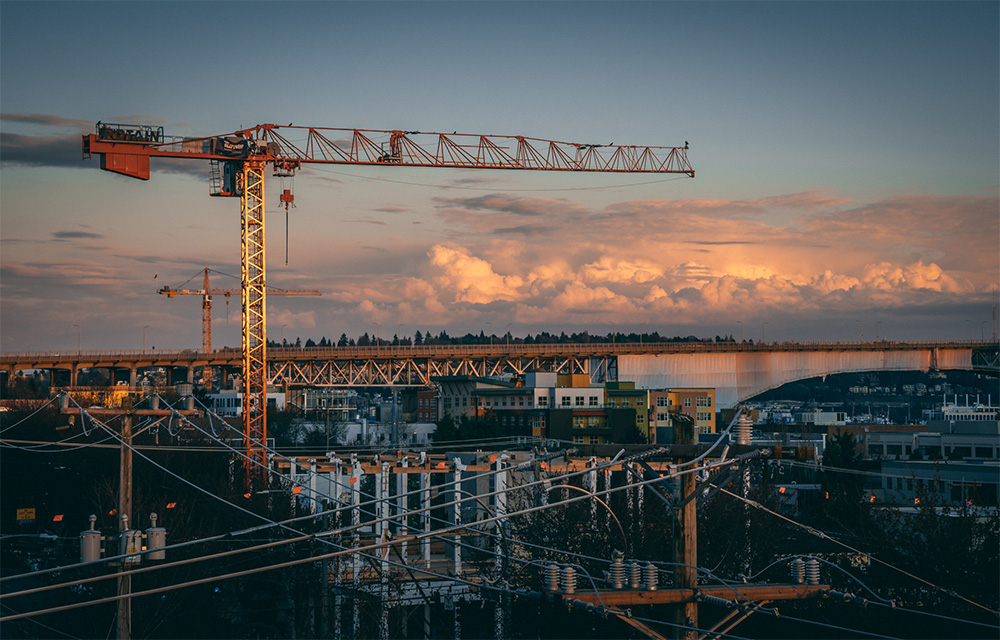
Infrastructure development is the foundation of economic growth, urban functionality, and societal well-being. Whether it’s a highway system, airport, water treatment plant, or public housing project, infrastructure initiatives involve a complex, multi-phase journey that demands the collaboration of engineers, planners, consultants, government agencies, and contractors.
Understanding the key stages of infrastructure development is essential for stakeholders involved in public or private sector projects. From initial conception to final handover and long-term maintenance, each phase plays a critical role in ensuring that infrastructure is safe, efficient, sustainable, and built to serve current and future needs.
In this article, we’ll walk through the core stages of infrastructure development, outlining what happens at each step and why it matters, especially in terms of quality control, budget, community engagement, and long-term functionality.
Stage 1: Needs Assessment and Feasibility Study
Every infrastructure project begins with a clearly identified need. Whether driven by population growth, economic expansion, or the replacement of aging systems, stakeholders must determine the “why” behind a proposed development.
Key Activities in This Stage:
- Identifying the problem or demand (e.g., traffic congestion, flood risk, lack of clean water)
- Evaluating existing infrastructure capacity
- Conducting stakeholder and community consultations
- Performing feasibility studies (technical, financial, environmental)
A feasibility study is crucial because it assesses whether a project is viable before large investments are made. It evaluates site conditions, projected costs, resource availability, and long-term economic or social benefits. A poorly executed feasibility study can lead to delays, cost overruns, or complete project failure.
Civil engineers, economists, and environmental consultants all contribute to this phase, ensuring that any decision to move forward is based on accurate data and realistic projections.
Stage 2: Conceptual Planning and Preliminary Design
Once feasibility is confirmed, the next step is to define the project’s basic parameters. This includes setting the initial scope, outlining design ideas, and preparing a general project framework.
Key Deliverables in This Stage:
- Project scope and objectives
- Site investigations (geotechnical, environmental)
- Preliminary design sketches
- Risk assessments
- Funding strategies
Conceptual planning considers the constraints discovered in the feasibility study and shapes a high-level solution. For example, a city needing better flood control may explore different options such as constructing a new stormwater tunnel, installing green infrastructure, or widening an existing canal. Each option is analyzed in terms of cost, technical challenges, and social impact.
Preliminary designs are also created to help visualize how the infrastructure will interact with its surroundings. At this point, land use, zoning, access points, and environmental preservation zones are all considered.
Stage 3: Detailed Design and Engineering
Once the conceptual design is approved, the project moves into detailed design. This phase transforms initial sketches into actionable engineering drawings, technical specifications, and construction-ready documents.
Detailed Design Activities:
- Structural, geotechnical, and civil design
- Utility and service integration (water, sewer, electricity, telecom)
- Material selection and load calculations
- Compliance with national and local codes
- Finalization of design drawings and cost estimates
Civil engineers play a pivotal role here, ensuring the project is not only structurally sound but also efficient, safe, and compliant with environmental and regulatory requirements.
During this phase, coordination among different engineering disciplines becomes essential. For example, the placement of an underground pipeline must align with roadway foundations, electrical cabling, and stormwater drainage systems. Oversights in this stage can lead to costly construction conflicts or rework.
Stage 4: Permitting, Approvals, and Procurement
Before construction begins, developers must secure all legal, environmental, and municipal approvals. This often includes a rigorous process of permitting, public review, and alignment with government policies.
This Stage Involves:
- Submitting plans to regulatory bodies
- Conducting Environmental Impact Assessments (EIA)
- Acquiring building and zoning permits
- Engaging in public consultations
- Procuring contractors and materials
Public infrastructure projects often face scrutiny from communities and advocacy groups. Transparency and communication are essential. Civil engineers and project managers must be prepared to explain design choices, respond to public concerns, and modify plans when necessary.
Simultaneously, procurement teams begin selecting contractors, subcontractors, and suppliers through bidding processes. These decisions impact everything from construction timelines to quality control.
Stage 5: Site Preparation and Early Works
With permits in place and contracts awarded, physical work on-site begins. This early phase sets the stage for main construction and involves clearing the land, setting up access routes, installing temporary utilities, and preparing the ground.
Typical Tasks Include:
- Clearing vegetation and debris
- Earthworks and land grading
- Demolition (if existing structures are present)
- Geotechnical testing and soil stabilization
- Installing temporary site offices and fencing
This is also when initial health and safety protocols are established. Proper site preparation ensures construction teams can work safely and efficiently without interruptions or environmental hazards.
Civil and geotechnical engineers are on-site during this stage, verifying that the earthwork and ground conditions align with the findings of previous soil tests and foundation plans.
Stage 6: Main Construction and Execution
Now the visible part of the infrastructure begins to rise. The construction stage involves building the physical components designed in earlier phases and assembling them into a functional system.
Main Construction Activities May Include:
- Building structural frameworks (bridges, roads, tunnels)
- Laying foundations and pouring concrete
- Installing utility lines and service networks
- Constructing drainage systems
- Quality assurance and safety inspections
This is typically the most time-consuming and costly phase. Effective project management is crucial to keep timelines on track and minimize cost overruns.
Civil engineers, structural engineers, and supervisors work side by side with construction teams to ensure materials, equipment, and techniques meet the specified standards. Construction support services (such as surveying, material testing, and monitoring) are also active throughout this phase.
Stage 7: Testing, Commissioning, and Handover
Upon completion of physical construction, systems must be tested and validated before they are opened to the public or stakeholders. This stage ensures the infrastructure performs as expected under operating conditions.
Commissioning Involves:
- Load testing of bridges or roadways
- Pressure testing for pipelines and water systems
- Electrical and safety inspections
- Fire and evacuation drills (for buildings)
- Final audits and certifications
The project is then formally handed over to the client or end user. This may include the local government, a utility provider, or private investors. Final documentation is delivered, and any training required for operations and maintenance staff is provided.
During this stage, a final walk-through is conducted to identify any defects or required corrections before full acceptance.
Stage 8: Maintenance and Lifecycle Management
Even the best designed infrastructure requires ongoing maintenance to ensure long-term performance and safety. A common mistake is viewing infrastructure as “complete” after handover. In reality, the post-construction phase is a new beginning.
Lifecycle Management Tasks Include:
- Regular inspections and preventive maintenance
- Structural monitoring (bridges, tunnels, dams)
- Road resurfacing, drainage cleaning, and utility checks
- Updating infrastructure to meet new standards or demand
- Responding to wear, damage, and extreme weather events
Civil engineers often remain involved long after construction, especially for public infrastructure projects. They may oversee rehabilitation, retrofitting, or capacity upgrades based on evolving urban needs.
Asset management systems are now widely used to monitor performance metrics and trigger alerts when components reach the end of their expected lifespan.
Integrating Sustainability into Every Stage
Modern infrastructure development is not just about cost or functionality, it’s also about minimizing environmental impact and promoting long-term resilience.
Across all stages, civil engineers and planners now incorporate sustainable development principles:
- Using recycled or locally sourced materials
- Incorporating green infrastructure such as bioswales or permeable pavements
- Designing for energy efficiency and low-carbon construction
- Protecting natural habitats and waterways
- Planning for climate change and natural disaster resilience
Sustainable infrastructure reduces future maintenance costs, conserves resources, and improves community well-being.
Conclusion: A Coordinated Journey from Vision to Reality
Infrastructure development is far more than just building—it’s a comprehensive, multi-stage process that involves deep technical expertise, community engagement, environmental care, and strategic foresight.
Each stage, from feasibility to long-term maintenance, requires skilled civil engineers, planners, project managers, and regulators working together to ensure outcomes that are safe, efficient, and beneficial for the public. Delays or poor execution in one stage can have ripple effects across the entire project lifecycle.
Understanding this process is essential for government agencies, private developers, and citizens alike. It allows stakeholders to engage meaningfully, allocate resources effectively, and build infrastructure that stands the test of time.
Need expert support with your infrastructure project? Contact our team today to discuss how we can help you deliver successful, sustainable results.