
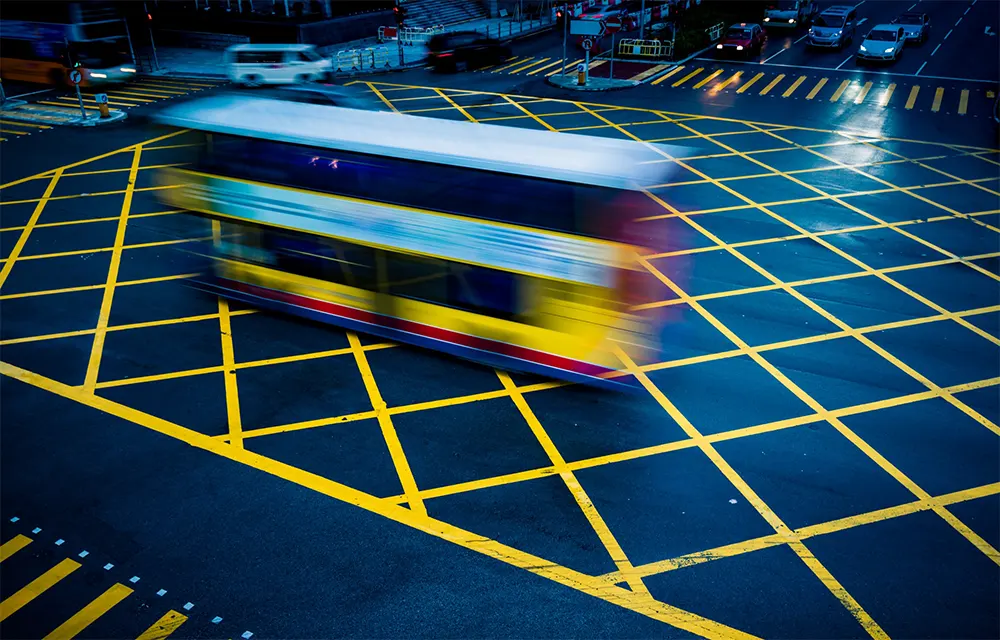
As cities across the world continue to grow, they face one of the most pressing challenges of modern urbanization: moving people efficiently, affordably, and sustainably. Public transportation infrastructure in growing cities is not just a convenience, it’s a necessity for maintaining livability, economic vitality, and environmental health.
Rapid population growth, urban sprawl, traffic congestion, and environmental concerns are placing enormous pressure on city planners and civil engineers for planning suitable public transportation infrastructure in growing cities. The future of urban mobility depends on bold, well-integrated, and forward-thinking public transport solutions.
In this article, we explore how to plan effective public transportation infrastructure in expanding cities, the key elements of successful systems, and how civil engineers play a crucial role in reshaping the urban commute.
Why Public Transportation infrastructure Matters in Expanding Urban Areas
When cities grow rapidly (whether through immigration, birth rate increases, or economic opportunity) the result is more people moving around within a limited space. Without well-planned public transport infrastructure, cities face:
- Severe traffic congestion and longer commutes
- Increased greenhouse gas emissions
- Declining air quality and noise pollution
- Unequal access to jobs, education, and healthcare
- Urban sprawl and car dependency
Public transportation systems offer an efficient and equitable solution by providing accessible, high-capacity alternatives to private vehicles. When designed properly, they reduce traffic, support economic development, and promote sustainability.
Core Elements of Effective Public Transportation Infrastructure
To build public transportation infrastructure that serve the growing needs of a city, planners must integrate a range of infrastructure components. Each plays a specific role in enabling safe, efficient, and inclusive mobility.
- Mass Transit Networks
This includes:
- Buses and Bus Rapid Transit (BRT) systems
- Light rail and metro (subway) systems
- Commuter trains
These modes must be designed for scalability, reliability, and frequency to meet peak travel demands.
- Transport Hubs and Interchanges
Well-connected terminals and stations enable passengers to switch between different modes seamlessly, train to bus, or bike to ferry. Key considerations include:
- Accessibility and universal design
- Safety and lighting
- Real-time information displays
- Pedestrian-friendly layouts
- Road and Lane Infrastructure
Designing dedicated lanes for buses and high-occupancy vehicles (HOV) helps ensure faster travel times and encourages public use. Public transportation Infrastructure must also prioritize:
- Signal priority for buses
- Well-designed intersections
- Safe crossings for pedestrians and cyclists
- Non-Motorized Transport Integration
The last-mile connection is critical. Public transport infrastructure must connect easily with:
- Bike lanes and bike-sharing stations
- Pedestrian paths and sidewalks
- Scooters and micro-mobility options
- Smart Technology and Data
Modern transport systems use digital tools to improve efficiency:
- GPS tracking and real-time arrivals
- Automated fare systems
- Integrated mobile apps for trip planning
- Data collection for demand forecasting
Challenges in Planning Public Transport Infrastructure for Growing Cities
Urban transportation planners and civil engineers often face several hurdles:
- Legacy Infrastructure
Older cities may have transportation networks that were never designed for today’s population levels, making retrofitting complex and costly.
- Funding Constraints
Public transport projects require major investment. Limited municipal budgets often delay essential upgrades or expansions.
- Land Use Conflicts
In dense cities, finding space for new corridors, stations, or depots can be difficult. Infrastructure planning must consider zoning, private ownership, and competing land uses.
- Political and Community Opposition
Large-scale projects often face resistance from affected neighborhoods, business owners, or interest groups. Community consultation and social equity must be built into the planning process.
- Integration Across Jurisdictions
Metropolitan regions often span multiple councils or administrative zones. Coordinating transit planning across these boundaries requires strong governance and cooperation.
Principles for Designing Future-Proof Transit Infrastructure
- Scalability and Flexibility
Systems should be designed to expand as demand grows. Modular platforms, adaptable station designs, and future-proof routing are essential.
- Transit-Oriented Development (TOD)
Urban planning should support dense, mixed-use development around transit hubs. This reduces the need for cars and makes public transport more viable and accessible.
- Sustainability and Low-Carbon Design
Green infrastructure, electric fleets, and renewable energy integration are becoming standard practice in modern transit systems.
- Equity and Accessibility
Public transport should be inclusive of all user groups, including:
- People with disabilities
- Low-income communities
- Elderly citizens
- Non-native language speakers
Subsidized fares, accessible design, and inclusive outreach are part of equitable planning.
Case Study: Public Transportation Infrastructure Planning in New Zealand Cities
New Zealand cities like Auckland, Wellington, and Christchurch are grappling with the challenges of growing populations and urban sprawl.
Auckland’s Rapid Transit Plan
Auckland’s 30-year plan for an integrated transport network includes:
- Expansion of the rail system with the City Rail Link (CRL)
- Improved ferry services
- Dedicated busways and BRT corridors
- Light rail proposals connecting the CBD to the airport and western suburbs
Wellington’s Let’s Get Wellington Moving (LGWM)
This program focuses on reducing congestion through:
- Better bus and bike infrastructure
- Improved pedestrian access
- Future-proofing for light rail options
New Zealand’s planning approach emphasizes climate resilience, sustainable land use, and integrated regional development.
The Role of Civil Engineers in Public Transit Planning
Civil engineers are essential to turning transport visions into functioning infrastructure. Their roles include:
- Feasibility studies for route alignment and construction viability
- Design of bridges, tunnels, and terminals
- Geotechnical assessments to ensure stable foundations
- Drainage and utility planning beneath and around transport corridors
- Traffic and demand modelling to forecast future use
- Material and structural selection to ensure longevity and safety
By combining technical expertise with urban design principles, engineers create the backbone of urban mobility.
How Technology Is Shaping the Future of Urban Transit
Digital tools are transforming how cities plan, build, and operate public transport:
- GIS mapping helps planners identify underserved areas
- AI and machine learning predict demand trends
- IoT sensors monitor performance in real time
- Autonomous vehicles and shuttles offer flexible options for future integration
Smart mobility platforms can unify all these elements, giving commuters seamless access to multimodal transport options through a single app.
Planning for Resilience and Climate Adaptation
Climate change presents a major risk to infrastructure. Coastal flooding, extreme heat, and rising sea levels must all be factored into public transport design.
Resilient transport infrastructure may include:
- Elevated rail lines or busways
- Floodproof stations
- Green roofs and heat-resistant materials
- Solar-powered lighting and EV charging stations
Planning for resilience ensures cities can maintain mobility during and after environmental disruptions.
Conclusion: Smart Transit Planning Builds Better Cities
Well-planned public transportation infrastructure in growing cities is the foundation for inclusive, efficient, and sustainable urban life. It connects communities, boosts economies, and reduces environmental impact.
As cities continue to expand, the role of civil engineers, planners, and public authorities becomes increasingly vital. By aligning transport planning with land use policy, leveraging modern technology, and focusing on equity and sustainability, we can build transit systems that not only serve today’s needs—but also shape the cities of tomorrow.
Need help planning or engineering transport solutions for a growing urban area?
Our civil and transportation engineering team can support your next infrastructure project from feasibility studies to final construction.
Contact us today to start a smarter journey.