At Chambers, we design retaining walls and remedial structures that keep your sites safe and stable. Our customized solutions manage earth pressures, reduce hazards, and provide lasting stability, all while combining strength with visual appeal. No matter the challenge, we deliver designs that stand the test of time.
What We Do for Retaining Wall & Remedial Structure Design Services
Our team is dedicated to transforming complex site conditions into secure, functional environments. We offer:
Integrated Analysis
Combining geotechnical data and structural principles to ensure every design is optimized for safety, durability, and sustainability.
Remedial Structure Design
Engineering remedial solutions that address issues like slope instability, differential settlement, and existing structural deficiencies.
Retaining Wall Design
Custom-designed walls to provide lateral support, manage soil pressures, and prevent erosion.
By understanding the unique challenges of your site, we deliver designs that not only meet engineering standards but also enhance the visual and functional aspects of the project.
Our Key Services
Remedial Structure Design
Our remedial solutions address existing structural challenges to restore and enhance site stability:
Slope Stabilization: Designing measures such as soil nailing, rock anchors, and reinforced slopes to prevent landslides.
Settlement Correction: Engineering interventions to remediate differential settlement and structural distortions.
Retrofitting: Upgrading existing retaining walls or remedial structures to improve performance and extend their service life.
Retaining Wall Design
We offer a full spectrum of retaining wall solutions tailored to your project needs:
Gravity Walls: Utilizing mass and weight to resist lateral earth pressures.
Cantilever Walls: Engineered to leverage bending forces and provide efficient support.
Anchored Walls: Incorporating tiebacks or anchors to secure walls in challenging soil conditions.
Segmental Retaining Walls: Modular, flexible systems that are both aesthetically pleasing and effective for various applications.
How We Do It
Our structured approach ensures that every slope stability assessment is accurate, comprehensive, and actionable:
3. Conceptual Design
Our engineers develop preliminary designs and perform structural analyses to determine the most effective solution.
2. Site & Geotechnical Investigation
Detailed surveys and soil analyses provide essential data on earth pressures, soil properties, and environmental factors.
1. Initial Consultation
We begin by discussing your project goals, current site challenges, and specific requirements.
6. Implementation Support
We collaborate with construction teams to ensure that designs are executed accurately and provide ongoing support during the build phase.
5. Detailed Design & Documentation
Final designs are prepared with comprehensive specifications, construction drawings, and material recommendations.
4. Advanced Modeling & Simulation
Using state-of-the-art software, we simulate various loading scenarios and environmental conditions to optimize the design.
Innovation & Technology
We stay at the forefront of foundation engineering by leveraging the latest technologies:
3D Simulation & Analysis
3D Simulation & Element Analysis
3D Simulation & Finite Element Analysis
Advanced modeling techniques predict structural behavior under various conditions.
Building Modeling
Building Information Modeling
Building Information Modeling (BIM)
Streamlined collaboration and design integration across all project stages.
Smart Material Selection
Smart Material Selection
Smart Material Selection
Incorporating innovative, sustainable materials that offer superior performance and longevity.
Real-Time Data Integration
Real-Time Data Integration
Real-Time Data Integration
Utilizing geotechnical instrumentation and remote monitoring systems for ongoing performance analysis.
Enhanced Site Stability: Preventing soil erosion and managing earth pressures ensures the long-term safety of adjacent structures and communities.
Cost Efficiency: Optimized designs reduce long-term maintenance and repair costs while enhancing structural performance.
Eco-Friendly Practices: Sustainable material selection and design methods minimize environmental impact and promote green construction practices.
Community Safety: Effective remedial and retaining wall designs protect public infrastructure and contribute to safer, more resilient communities.
Industries We Serve
Our expertise in retaining wall and remedial structure design supports a diverse range of sectors:
Government & Municipalities
We assist in designing public infrastructure projects (such as highways, parks, and community spaces) that require robust retaining walls and slope stabilization.
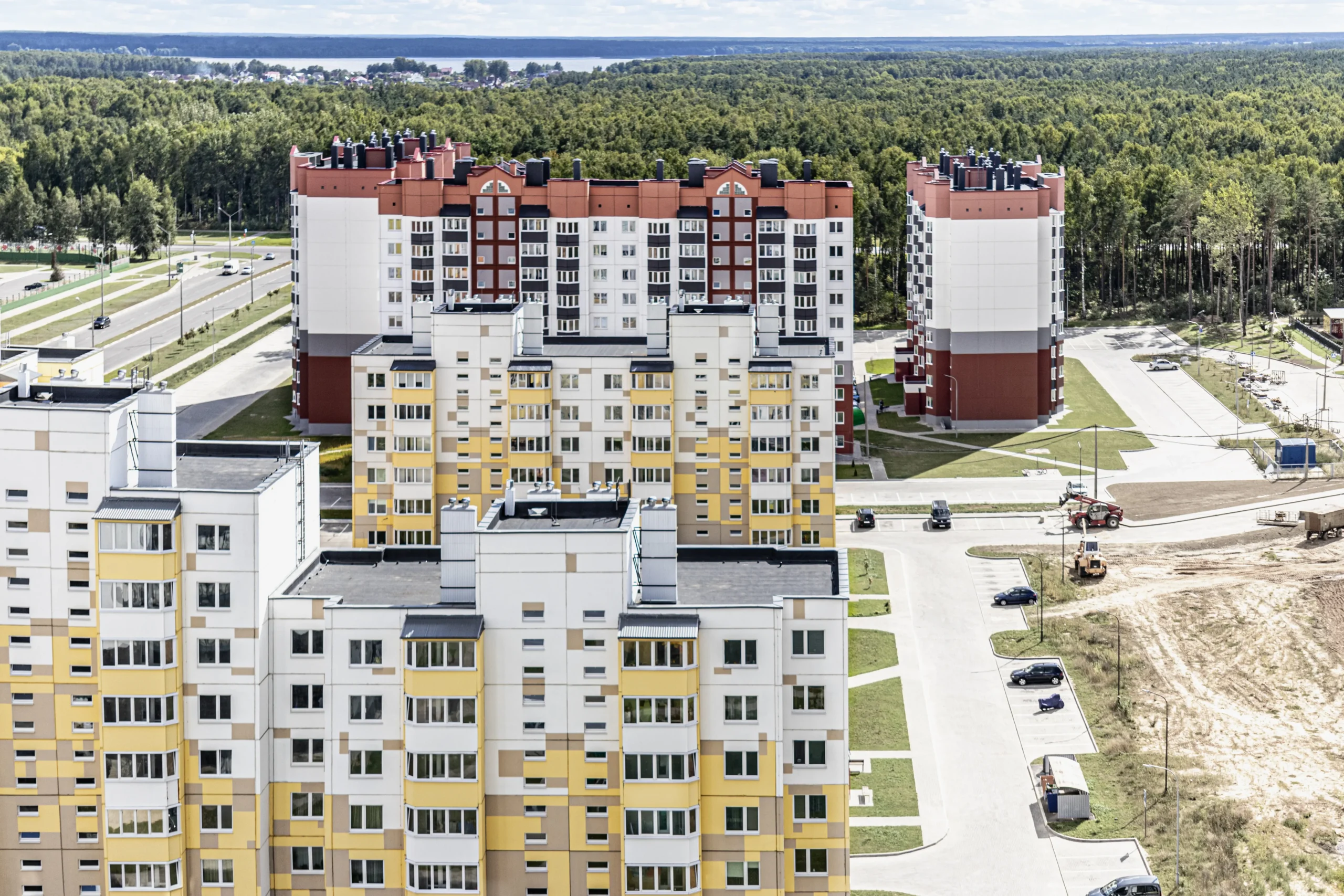
Residential & Commercial Developments
Our tailored solutions ensure that housing complexes, commercial centers, and mixed-use developments are built on secure, stable foundations
Transportation & Infrastructure
From roadway embankments to rail corridors, we design retaining walls and remedial structures that enhance the safety and longevity of critical transit routes.
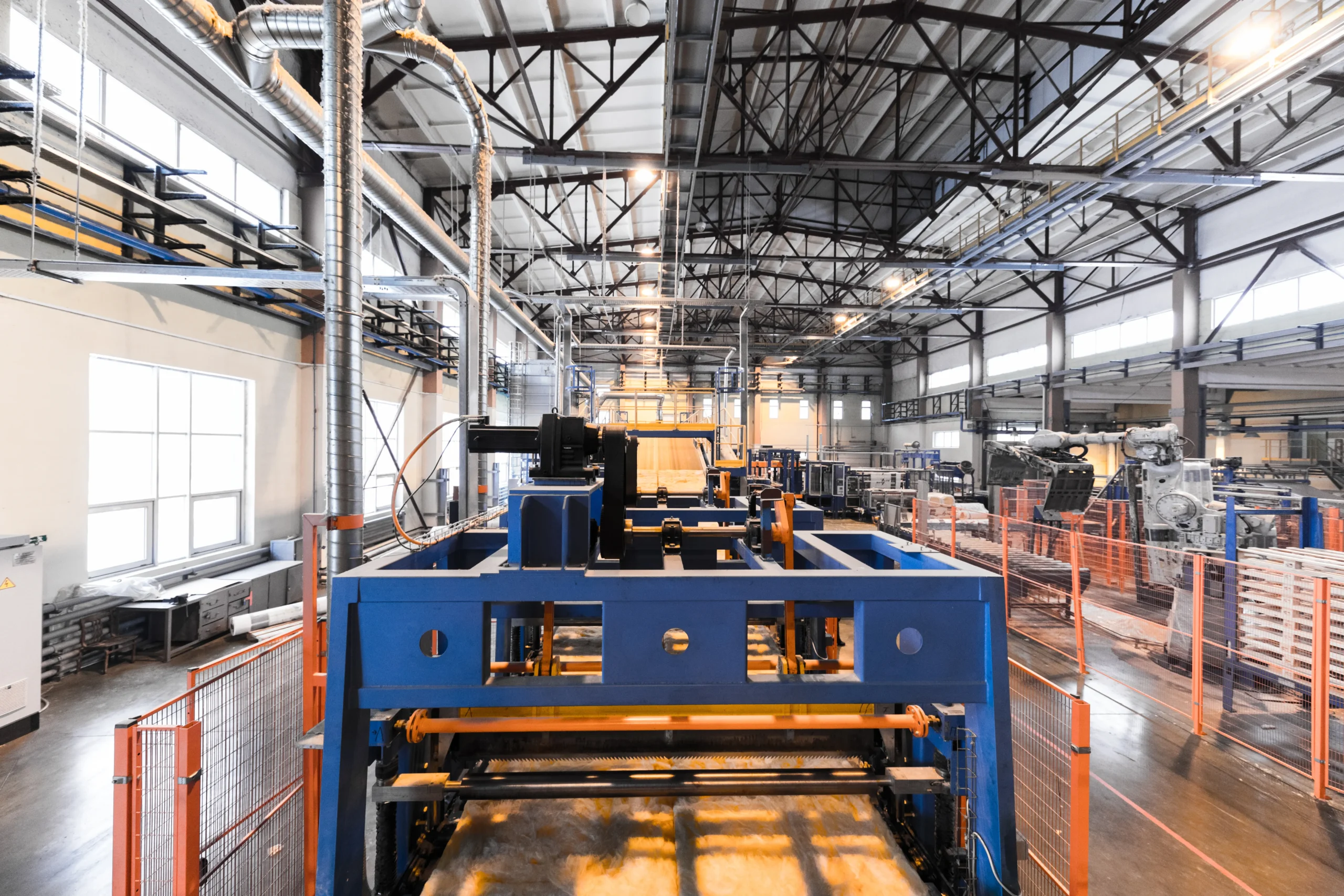
Industrial & Energy Projects
We support the construction of industrial facilities and renewable energy installations with specialized designs that address challenging site conditions
Environmental & Remediation Projects
Our remedial solutions play a crucial role in stabilizing degraded sites and supporting environmental restoration efforts
Why Retaining Wall & Remedial Structure Design is Important
Effective retaining wall and remedial structure design is crucial for:
Mitigating Risks
Preventing landslides, differential settlement, and other hazards that could lead to costly repairs or catastrophic failures.
Ensuring Structural Integrity
Providing robust support for adjacent buildings, roads, and other infrastructure.
Managing Earth Pressures
Safely countering lateral forces to prevent soil movement and erosion.
Supporting Sustainable Development
Contributing to long-term site stability and environmental resilience.
Enhancing Aesthetics & Functionality
Creating solutions that are both visually appealing and highly functional
FAQs
Have questions? We have answers:
What is a retaining wall and why is it important?
A retaining wall is a structure designed to hold back soil and manage earth pressures, preventing erosion and ensuring site stability. They are essential in areas with steep slopes or unstable soils.
How do remedial structures enhance site stability?
Remedial structures address existing deficiencies such as slope instability or differential settlement. By stabilizing these areas, they help prevent structural failures and extend the life of adjacent infrastructure.
What factors influence the design of a retaining wall?
Key factors include soil type, earth pressure, environmental conditions, load requirements, and the specific challenges of the site. Detailed geotechnical investigations inform our design process.
For more information, please visit our dedicated FAQ page or contact our team directly.
Contact Us
Ready to secure your project with expert retaining wall and remedial structure design? Reach out today to discuss your needs, request a quote, or learn more about our comprehensive services.
We assess factors like soil conditions, wall height, load requirements, and environmental considerations to determine the best retaining wall type. For example, gravity walls are suitable for stable soils, while cantilevered and anchored walls are used for higher loads or unstable conditions.
Isla Te Rere
10 months ago
Are your smart material selections based on local climate and environmental impact?
Yes, our smart material selections are always based on the local climate and environmental impact. We carefully consider factors such as weather patterns, temperature fluctuations, humidity, and sustainability to ensure the materials are durable, energy-efficient, and environmentally friendly. This approach helps in reducing the overall carbon footprint and optimizing long-term performance.
Tamati Hughes
9 months ago
What kind of maintenance is required for segmental retaining walls in high-rainfall zones?
In high-rainfall zones, segmental retaining walls require regular maintenance to prevent water-related issues. This includes checking for drainage blockages, ensuring proper functioning of weep holes, and inspecting for erosion or soil slippage behind the wall. Additionally, occasional repairs may be needed to address wear from water flow or shifting soil.
Max Te Whenua
9 months ago
It’s clear your team brings deep expertise to complex challenges like slope stabilization and erosion control.
Kahu Johnston
9 months ago
Love the focus on both new retaining structures and retrofitting older ones—covers the full lifecycle.
Logan Moana
9 months ago
Great to see sustainability and community safety featured as core priorities in your design process.
Julia Te Whenua
8 months ago
Retaining walls often go unnoticed, but their impact on safety and stability is massive thanks for spotlighting this!
Moana Barrett
8 months ago
The use of 3D simulation and FEM adds real confidence to remedial design decisions.
Jack Pania
8 months ago
How do your geotechnical investigations influence remedial structure planning?
Our geotechnical investigations provide critical data on soil conditions, groundwater behavior, and slope stability. This information guides the selection and design of remedial structures—ensuring they’re tailored to site-specific risks, structurally sound, and compliant with engineering and safety standards.
Maddison Kahu
7 months ago
the services they provide is amazing both in quality and in price
Samuel Kahu
7 months ago
Can you tell a real world example where slope stabilization prevented a major failure!
Yes, in a hillside residential development in Wellington, our team implemented anchored retaining walls and proper drainage after early signs of soil movement. A major landslip was later triggered by a storm in a nearby untreated area.
Grace Tiare
7 months ago
From cantilever to anchored walls, your range of services demonstrates true versatility.
Hana Ropata
7 months ago
Your work shows how retaining wall design can balance structural integrity with aesthetics
Nikora Te Whata
6 months ago
Smart integration of BIM makes collaboration smoother across the board
Teina Taukamo
6 months ago
Soil nailing and rock anchoring are powerful tools
Kararaina Houkamau
6 months ago
What is the difference between gravity, cantilever, or anchored walls?
Gravity, cantilever, and anchored walls differ in how they resist soil pressure:
Gravity walls rely on their own weight to hold back soil and are typically made of heavy materials like concrete or stone.
Cantilever walls use a reinforced base slab and stem to leverage soil pressure against the weight of the structure.
Anchored walls use cables or rods anchored into the ground behind the wall for additional support, ideal for taller or high-pressure situations.
Choice depends on soil conditions, height, and site constraints.
Paratene Koroheke
5 months ago
Do you perform slope and load analysis before designing walls?
Yes, always. Before designing retaining or remedial walls, engineers perform a slope stability and load analysis. This includes checking soil strength, groundwater influence, surcharge loads (like traffic or nearby structures), and seismic effects if relevant.
Tuakana Taiuru
5 months ago
Are clients involved in reviewing retaining wall design options?
Yes, clients are involved in reviewing retaining wall design options. We present different solutions, such as gravity, cantilever, or anchored walls—explaining their benefits, costs, and suitability for the site, so clients can make informed decisions aligned with project goals.
Eruera Kopu
5 months ago
How do you integrate digital modeling in wall design?
We use digital modeling tools, including 3D CAD and BIM software, to design retaining and remedial walls. This allows us to visualize wall geometry, simulate load conditions, and optimize materials, ensuring accuracy, compliance, and constructability before construction begins.
Kapua Huria
4 months ago
How do you manage unforeseen challenges during construction?
We manage unforeseen challenges during construction through a proactive and adaptive approach. Our team maintains close communication with contractors and project managers, allowing us to respond quickly when unexpected conditions (such as soil variability, weather changes, or material discrepancies) arise.
We rely on real-time monitoring, site inspections, and data-driven decision-making to assess the issue and implement effective solutions without compromising quality or safety. When necessary, our engineers revise the design or construction methodology to ensure compliance with performance standards.
Marere Te Aika
4 months ago
Are advanced simulations used to predict wall behavior under load?
Yes, advanced simulations like finite element analysis are used to predict wall behavior under various load conditions. This helps us assess performance, ensure safety, and optimize material use before construction begins.
Oriwia Tangitu
4 months ago
Do you provide phased implementation for large retaining wall projects?
Yes, we do. For large retaining wall projects, we offer phased implementation to ensure each stage is completed safely, efficiently, and in line with design specifications. This approach allows for better quality control, risk management, and coordination with other site activities.
Reikura Waerea
3 months ago
How do you incorporate drainage and environmental considerations?
We incorporate drainage and environmental considerations from the very beginning of each project. Our team analyzes site topography, soil permeability, and rainfall patterns to design effective drainage systems that prevent erosion, flooding, or contamination. We also align all designs with environmental regulations to support sustainability and protect local ecosystems.
Harper Kingi
3 months ago
Your detailed process shows how much thought and expertise goes into every structure.
Emily
3 months ago
How do you communicate potential risks to clients?
We communicate potential risks to clients in a way that is clear, transparent, and easy to understand, regardless of their technical background. Our goal is to ensure every client fully understands the implications, options, and recommended actions without feeling overwhelmed by technical jargon.
Ashton Taylor
2 months ago
Can you design retaining walls for both residential and commercial sites?
Yes, where required we provide post-construction monitoring to track wall movement, settlement, or deformation. This helps verify performance and identify any issues early.
Oscar Cunningham
2 months ago
these designs are optimized for both cost and durability ?
Yes, our designs are developed with a balanced focus on cost efficiency and long-term durability. We evaluate material options, construction methods, and life-cycle performance to achieve the best value without compromising safety or quality.
By aligning engineering solutions with site conditions and project budgets, we help ensure structures remain robust, compliant, and economical over their entire service life.
Blake Jamieson
2 months ago
Retrofitting older structures shows real engineering foresight.



























How do you decide which retaining wall type is best for a site—gravity, cantilever, or anchored?
We assess factors like soil conditions, wall height, load requirements, and environmental considerations to determine the best retaining wall type. For example, gravity walls are suitable for stable soils, while cantilevered and anchored walls are used for higher loads or unstable conditions.
Are your smart material selections based on local climate and environmental impact?
Yes, our smart material selections are always based on the local climate and environmental impact. We carefully consider factors such as weather patterns, temperature fluctuations, humidity, and sustainability to ensure the materials are durable, energy-efficient, and environmentally friendly. This approach helps in reducing the overall carbon footprint and optimizing long-term performance.
What kind of maintenance is required for segmental retaining walls in high-rainfall zones?
In high-rainfall zones, segmental retaining walls require regular maintenance to prevent water-related issues. This includes checking for drainage blockages, ensuring proper functioning of weep holes, and inspecting for erosion or soil slippage behind the wall. Additionally, occasional repairs may be needed to address wear from water flow or shifting soil.
It’s clear your team brings deep expertise to complex challenges like slope stabilization and erosion control.
Love the focus on both new retaining structures and retrofitting older ones—covers the full lifecycle.
Great to see sustainability and community safety featured as core priorities in your design process.
Retaining walls often go unnoticed, but their impact on safety and stability is massive thanks for spotlighting this!
The use of 3D simulation and FEM adds real confidence to remedial design decisions.
How do your geotechnical investigations influence remedial structure planning?
Our geotechnical investigations provide critical data on soil conditions, groundwater behavior, and slope stability. This information guides the selection and design of remedial structures—ensuring they’re tailored to site-specific risks, structurally sound, and compliant with engineering and safety standards.
the services they provide is amazing both in quality and in price
Can you tell a real world example where slope stabilization prevented a major failure!
Yes, in a hillside residential development in Wellington, our team implemented anchored retaining walls and proper drainage after early signs of soil movement. A major landslip was later triggered by a storm in a nearby untreated area.
From cantilever to anchored walls, your range of services demonstrates true versatility.
Your work shows how retaining wall design can balance structural integrity with aesthetics
Smart integration of BIM makes collaboration smoother across the board
Soil nailing and rock anchoring are powerful tools
What is the difference between gravity, cantilever, or anchored walls?
Gravity, cantilever, and anchored walls differ in how they resist soil pressure:
Gravity walls rely on their own weight to hold back soil and are typically made of heavy materials like concrete or stone.
Cantilever walls use a reinforced base slab and stem to leverage soil pressure against the weight of the structure.
Anchored walls use cables or rods anchored into the ground behind the wall for additional support, ideal for taller or high-pressure situations.
Choice depends on soil conditions, height, and site constraints.
Do you perform slope and load analysis before designing walls?
Yes, always. Before designing retaining or remedial walls, engineers perform a slope stability and load analysis. This includes checking soil strength, groundwater influence, surcharge loads (like traffic or nearby structures), and seismic effects if relevant.
Are clients involved in reviewing retaining wall design options?
Yes, clients are involved in reviewing retaining wall design options. We present different solutions, such as gravity, cantilever, or anchored walls—explaining their benefits, costs, and suitability for the site, so clients can make informed decisions aligned with project goals.
How do you integrate digital modeling in wall design?
We use digital modeling tools, including 3D CAD and BIM software, to design retaining and remedial walls. This allows us to visualize wall geometry, simulate load conditions, and optimize materials, ensuring accuracy, compliance, and constructability before construction begins.
How do you manage unforeseen challenges during construction?
We manage unforeseen challenges during construction through a proactive and adaptive approach. Our team maintains close communication with contractors and project managers, allowing us to respond quickly when unexpected conditions (such as soil variability, weather changes, or material discrepancies) arise.
We rely on real-time monitoring, site inspections, and data-driven decision-making to assess the issue and implement effective solutions without compromising quality or safety. When necessary, our engineers revise the design or construction methodology to ensure compliance with performance standards.
Are advanced simulations used to predict wall behavior under load?
Yes, advanced simulations like finite element analysis are used to predict wall behavior under various load conditions. This helps us assess performance, ensure safety, and optimize material use before construction begins.
Do you provide phased implementation for large retaining wall projects?
Yes, we do. For large retaining wall projects, we offer phased implementation to ensure each stage is completed safely, efficiently, and in line with design specifications. This approach allows for better quality control, risk management, and coordination with other site activities.
How do you incorporate drainage and environmental considerations?
We incorporate drainage and environmental considerations from the very beginning of each project. Our team analyzes site topography, soil permeability, and rainfall patterns to design effective drainage systems that prevent erosion, flooding, or contamination. We also align all designs with environmental regulations to support sustainability and protect local ecosystems.
Your detailed process shows how much thought and expertise goes into every structure.
How do you communicate potential risks to clients?
We communicate potential risks to clients in a way that is clear, transparent, and easy to understand, regardless of their technical background. Our goal is to ensure every client fully understands the implications, options, and recommended actions without feeling overwhelmed by technical jargon.
Can you design retaining walls for both residential and commercial sites?
Yes. We design retaining walls for both residential and commercial projects, tailored to site conditions and load requirements.
Do you monitor wall performance post-construction?
Yes, where required we provide post-construction monitoring to track wall movement, settlement, or deformation. This helps verify performance and identify any issues early.
these designs are optimized for both cost and durability ?
Yes, our designs are developed with a balanced focus on cost efficiency and long-term durability. We evaluate material options, construction methods, and life-cycle performance to achieve the best value without compromising safety or quality.
By aligning engineering solutions with site conditions and project budgets, we help ensure structures remain robust, compliant, and economical over their entire service life.
Retrofitting older structures shows real engineering foresight.