
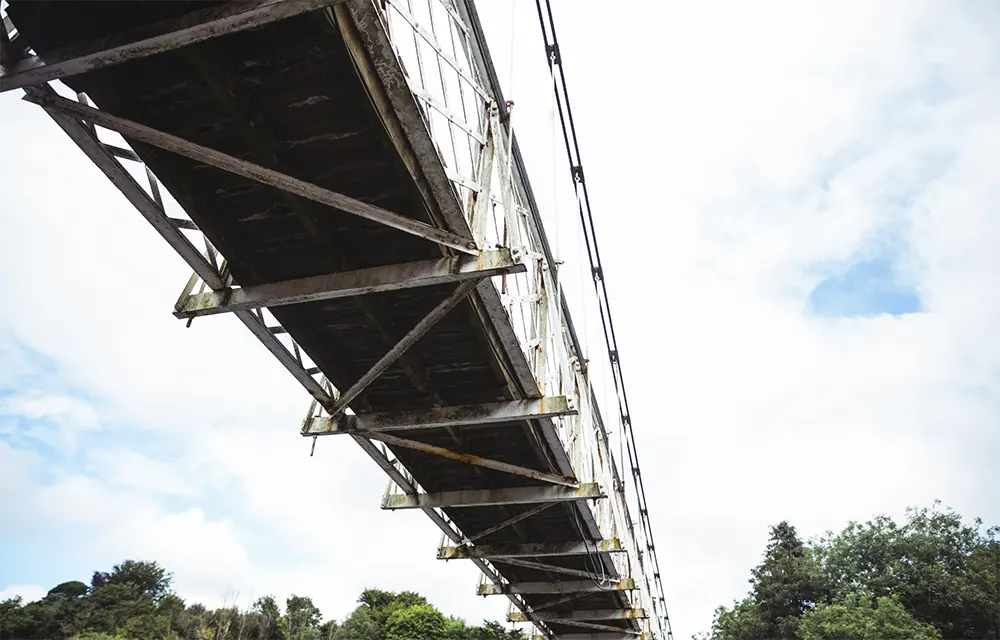
Buildings are designed to last for decades, even centuries, but not all are built to current safety standards or to withstand environmental or seismic challenges that emerge over time. Structural retrofitting is the engineering solution that bridges this gap allowing older or vulnerable buildings to be strengthened, modernized, and made safer for occupants and surrounding communities.
From post-earthquake urban renewal to preserving century-old heritage structures, structural retrofitting is a critical engineering intervention that supports public safety, sustainability, and asset longevity. In this article, we explore what structural retrofitting involves, when it becomes necessary, and why it is essential for both modern and historical built environments.
What Is Structural Retrofitting?
Structural retrofitting refers to the process of modifying existing buildings or structures to improve their strength, stability, and performance under load particularly under extreme conditions such as earthquakes, strong winds, heavy snow, or changing soil conditions.
Structural retrofitting doesn’t mean rebuilding, it means reinforcing or upgrading structural elements like columns, beams, walls, and foundations, often with newer materials, design approaches, or safety features that weren’t available or required when the building was originally constructed.
Structural retrofitting can involve localized repairs, full seismic upgrades, or modern compliance with revised national building codes and regulations.
When Is Structural Retrofitting Required?
Structural retrofitting isn’t a one-size-fits-all process. It’s typically needed in the following scenarios:
- Seismic Vulnerability
Buildings located in earthquake-prone areas (like much of New Zealand) may be structurally sound but not designed for seismic loads. Structures built before the implementation of modern seismic codes (e.g., pre-1976 in NZ) often require assessment and reinforcement.
- Change of Use
When a building’s use changes (say, from residential to commercial) it may need to meet different structural load and safety requirements. Structural retrofitting enables this transition while maintaining compliance.
- Structural Damage
Damage caused by age, corrosion, poor maintenance, subsidence, fire, or previous natural disasters often leaves structures unsafe. Structural retrofitting addresses the damage and prevents further degradation.
- Code Compliance and Insurance
Changes in building regulations may render older buildings non-compliant. Structural retrofitting allows owners to bring properties in line with current codes, often a prerequisite for insurance coverage, occupancy permits, or resale.
- Heritage Preservation
Historical buildings carry cultural significance but often lack structural resilience. Structural retrofitting these structures preserves their aesthetics while improving safety and usability.
- Improving Performance
In some cases, structural retrofitting is undertaken proactively to improve energy efficiency, fire resistance, or sustainability performance without tearing down the existing structure.
The Structural Retrofitting Process: Step-by-Step
Structural retrofitting requires a well-planned engineering approach tailored to each building. Here’s how the process typically unfolds:
Step 1: Initial Assessment
- Structural engineers perform a detailed site inspection and review of existing plans.
- Non-destructive testing (NDT), material sampling, and geotechnical assessments may be used to determine current strength and condition.
Step 2: Risk and Vulnerability Analysis
- Identify weak points and failure risks under probable load conditions (e.g., seismic analysis).
- Use structural modeling to simulate behavior during stress.
Step 3: Strategy Development
- Choose retrofitting techniques appropriate for the structure’s material (steel, concrete, timber, masonry).
- Prioritize upgrades based on risk level, building use, and budget constraints.
Step 4: Design and Approval
- Develop engineering drawings and documentation.
- Secure regulatory approvals, especially for heritage buildings.
Step 5: Implementation
- Carry out retrofitting on-site, often while the building remains in use.
- Ensure construction monitoring and quality assurance during the process.
Step 6: Post-Retrofit Evaluation
- Perform testing and inspections to confirm the building meets new performance targets.
- Update building records and notify authorities.
Common Structural Retrofitting Techniques in Structural Engineering
The choice of method depends on the building’s structure, materials, environment, and purpose. Here are several well-established techniques used in New Zealand and around the world:
- Jacketing of Columns and Beams
- Enclosing existing elements with additional concrete, steel, or fiber-reinforced polymer (FRP) to increase their load capacity and ductility.
- Base Isolation Systems
- Installing flexible bearings at the foundation level to decouple the structure from ground motion during earthquakes.
- Shear Wall Addition
- Incorporating new walls to resist lateral forces and reduce building sway.
- Bracing Systems
- Adding diagonal steel or composite bracing to frames to enhance lateral load resistance.
- Foundation Strengthening
- Underpinning, micropiles, or jet grouting used to improve foundation stability, especially on weak soils.
- FRP Wrapping
- Wrapping structural elements in carbon or glass fiber to enhance strength without adding bulk or weight.
- Slab Reinforcement
- Strengthening floor slabs with post-tensioning, steel plates, or polymer resins to prevent cracking or failure.
Each of these structural retrofitting methods must be precisely designed and implemented by qualified engineers based on site conditions and structural requirements.
Structural Retrofitting and Heritage Buildings: A Delicate Balance
In New Zealand, heritage buildings present both a technical and cultural challenge. Many are unreinforced masonry structures highly susceptible to seismic damage, yet they are legally protected due to their historical value.
Structural retrofitting offers solutions that:
- Minimize visual impact using hidden or reversible techniques
- Use lightweight reinforcement materials like FRP
- Apply selective strengthening rather than full overhaul
Structural retrofitting heritage structures ensures that history is preserved, not at the cost of human safety.
Regulations Governing Structural Retrofitting in New Zealand
The Building Act 2004, together with the Earthquake-Prone Building (EPB) Policy, sets out mandatory responsibilities for owners and councils. Buildings deemed earthquake-prone must be assessed and, if necessary, strengthened within specified timeframes.
Key regulatory points include:
- Seismic assessments (IEP and DSA) for pre-1976 buildings
- Mandatory strengthening for public-use buildings and schools
- Required disclosure of seismic risk in property sales
- Use of NZS 1170 and other engineering codes for retrofit design
Failure to retrofit an earthquake-prone building can result in council action, loss of occupancy certificate, or insurance issues.
Benefits of Structural Retrofitting
Structural retrofitting isn’t just about compliance, it’s about building a safer, more resilient future.
- Enhances Safety
Protects building occupants, neighboring structures, and the public from collapse risks. - Extends Lifespan
Adds decades of service life to existing assets without the cost and environmental impact of demolition. - Increases Property Value
A Structural retrofitting, compliant building is more attractive to tenants, buyers, and insurers. - Reduces Recovery Costs
Structural retrofitted buildings are easier to repair after disasters and are more likely to remain operational. - Supports Sustainability
Reusing and upgrading buildings reduces carbon footprint compared to new construction.
When Should You Consider Structural Retrofitting?
You should consult a structural engineer about retrofitting if:
- Your building was constructed before modern seismic codes
- It has visible cracks, corrosion, or deformation
- There are plans for change of use or increased occupancy
- It’s a heritage or commercial asset in a high-risk zone
- Your insurer requires a seismic or structural upgrade
- You are looking to future-proof your investment
Proactive retrofitting prevents future loss both financial and structural.
For your structural retrofitting need you can contact our team for consultant or reserving a time for structural retrofitting services.
Conclusion: Strengthening for the Future
Structural retrofitting is not just a technical necessity; it is a civic responsibility. Whether protecting historic landmarks, ensuring seismic safety in dense urban centers, or meeting regulatory expectations, retrofitting empowers property owners and engineers to make existing buildings future-ready.
For anyone responsible for aging structures, understanding when and why structural retrofitting is needed is the first step toward safeguarding people, property, and progress.
Need a structural retrofit assessment or consultation?
Contact us today to speak with our team of structural engineering experts. Let’s build safety and resilience, together.