
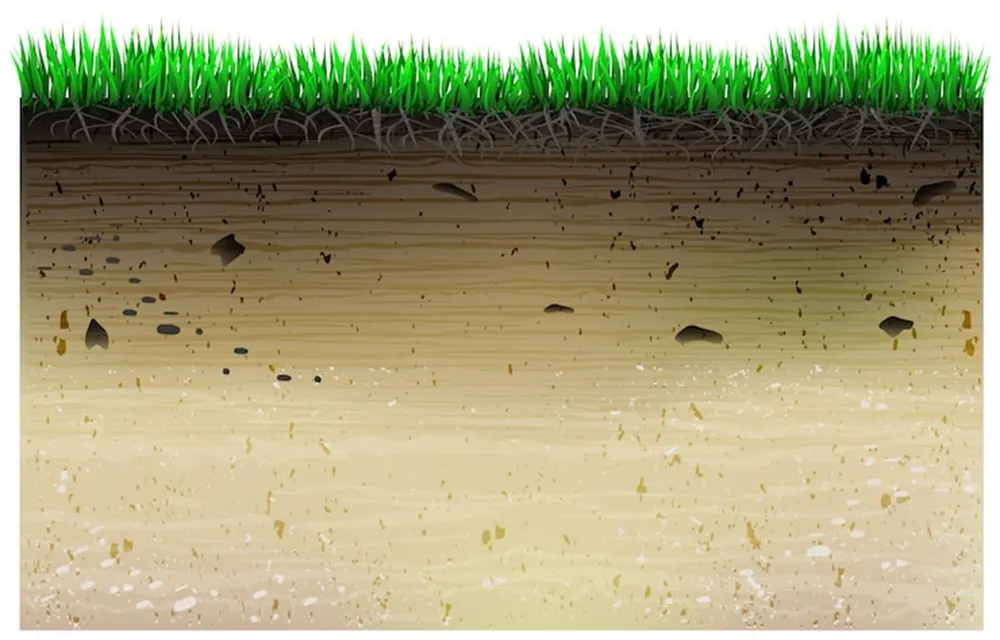
In every successful construction project, one of the first and most critical steps is understanding what lies beneath the surface. Whether constructing a skyscraper, a bridge, a retaining wall, or a road, the behavior of the ground below directly influences the safety, stability, and longevity of the structure. This process of investigating and analyzing the physical and mechanical properties of subsurface materials is known as subsurface ground characterization.
Subsurface ground characterization is a key element in geotechnical engineering. It helps identify soil types, strength, compressibility, moisture content, and other parameters essential for foundation design and risk mitigation. A poorly characterized site can lead to expensive design changes, construction delays, or even structural failure.
In this article, we will explore the most effective techniques for subsurface ground characterization, their applications, and how each contributes to safe and efficient engineering design.
Why Subsurface Ground Characterization Is Crucial
Subsurface conditions are rarely uniform. A site might have soft clays, dense sands, or fractured rock all within a few meters of each other. Each material behaves differently under loading and environmental conditions. Proper ground characterization enables engineers to:
- Select the most suitable foundation system (shallow, deep, or piled)
- Predict and control settlement
- Evaluate the risk of liquefaction in seismic zones
- Determine slope stability
- Plan drainage and dewatering systems
- Identify potential hazards like sinkholes or contamination
Accurate Subsurface Ground Characterization ultimately reduces the risks associated with unknown ground behavior, ensuring structural integrity and safety.
Initial Step: Desk Study and Site Reconnaissance
Before deploying any Subsurface Ground Characterization testing equipment, geotechnical professionals begin with a desk study to review existing data about the site’s geology, history, topography, and any previous investigations. A site walkover follows to observe surface conditions such as visible cracks, drainage patterns, vegetation anomalies, or man-made features.
These preliminary steps guide the selection and placement of testing methods, ensuring cost-efficiency and comprehensive coverage.
In-Situ Testing Techniques
In-situ testing refers to geotechnical tests performed directly on the ground without disturbing the soil’s natural condition. These methods are essential for understanding how the soil behaves under load and moisture changes.
- Standard Penetration Test (SPT)
Widely used in boreholes, the SPT involves driving a split spoon sampler into the soil using a standardized hammer. The number of hammer blows required to drive the sampler a specific distance gives the SPT N-value, which correlates with soil density and strength.
SPT is useful for:
- Determining relative density of granular soils
- Estimating bearing capacity
- Identifying changes in strata
- Cone Penetration Test (CPT)
CPT involves pushing a cone-shaped probe into the soil at a constant rate and measuring resistance at the cone tip and sleeve. Some advanced CPTs also measure pore pressure and soil conductivity.
CPT is ideal for:
- Rapid, continuous profiling of soil layers
- Differentiating soil types with high precision
- Assessing liquefaction potential
- Pressuremeter Test (PMT)
A cylindrical probe is inserted into a borehole and expanded against the borehole wall. The resistance of the soil is measured, giving a direct estimate of stress-strain behavior.
PMT is suited for:
- Measuring soil deformation and modulus of elasticity
- Designing retaining structures and tunnels
- Vane Shear Test (VST)
The VST measures the undrained shear strength of cohesive soils. A vane is inserted into the soil and rotated; the torque required to shear the soil provides its shear strength.
This test is essential in:
- Soft clay characterization
- Determining safe excavation depths
Laboratory Testing of Collected Samples
While in-situ tests provide immediate field data, laboratory testing offers a more controlled environment for precise measurements.
- Grain Size Distribution
This test determines the proportion of gravel, sand, silt, and clay in a sample. It informs engineers about permeability, compaction, and suitability for construction.
- Atterberg Limits
These limits define the plasticity and liquid behavior of fine-grained soils, helping to classify their shrink-swell potential and workability.
- Triaxial Shear Test
One of the most comprehensive lab tests, the triaxial test measures soil strength and deformation under different loading conditions, simulating real-world stresses.
- Consolidation Test
This test assesses how a soil sample compresses over time under loading. It’s critical for predicting long-term settlement beneath foundations and embankments.
- Moisture Content and Dry Density
These basic but essential tests determine how compact or loose a soil is and its water holding capacity, which affects load-bearing behavior.
Geophysical Techniques for Subsurface Imaging
In some cases, non-intrusive or minimally invasive geophysical methods are employed to gain a broader view of subsurface conditions, particularly for large or inaccessible sites.
- Ground Penetrating Radar (GPR)
GPR uses electromagnetic waves to detect subsurface anomalies, utilities, or changes in material types. It’s effective in shallow soils and urban areas.
- Seismic Refraction and Reflection
These techniques analyze how seismic waves travel through soil and rock layers to determine their stiffness and layering. They’re valuable for identifying bedrock depth and fault zones.
- Electrical Resistivity Tomography (ERT)
ERT measures the electrical resistance of soil and rock to map subsurface moisture content and identify groundwater or contamination zones.
These techniques complement traditional methods and provide broader coverage with minimal disturbance to the site.
Groundwater Investigation Techniques
Understanding groundwater conditions is a fundamental part of Subsurface Ground Characterization. Elevated water tables, artesian pressures, or variable flow rates can affect excavation, foundation design, and slope stability.
Methods used include:
- Installing piezometers to monitor groundwater pressure and fluctuations
- Slug and pumping tests to assess hydraulic conductivity
- Chemical analysis to detect contaminants, salts, or aggressive substances that can impact concrete or steel foundations
Groundwater data is essential for dewatering plans, basement construction, and flood risk assessment.
Data Interpretation and Reporting
The data gathered from in-situ tests, lab analysis, and geophysical surveys is synthesized into a comprehensive geotechnical report. This report includes:
- Borehole logs and stratigraphy
- Soil classification and profiles
- Foundation design parameters
- Groundwater behavior
- Recommendations for excavation, slope support, and retaining walls
Geotechnical engineers use specialized software to model the ground response to loads, slope angles, and hydrostatic pressures. These models support structural designers in tailoring their solutions to the unique conditions of the site.
Applications of Subsurface Ground Characterization in Construction
Subsurface ground characterization is foundational for multiple engineering decisions, such as:
- Designing shallow or deep foundations based on bearing capacity
- Planning ground improvement for weak or expansive soils
- Selecting earth-retaining systems or slope stabilization techniques
- Managing excavation dewatering systems
- Ensuring seismic resilience in earthquake-prone zones
By tailoring engineering decisions to the site’s unique characteristics, costly surprises during construction can be avoided.
Innovations in Subsurface Ground Characterization Investigation
With the growth of urban infrastructure and mega-projects, new methods continue to evolve:
- Smart sensors and real-time monitoring allow continuous observation of soil movement or groundwater shifts during and after construction.
- Automated CPT rigs reduce human error and increase efficiency.
- 3D Subsurface Ground Characterization mapping integrates various test data into dynamic models, aiding in visualizing complex stratigraphy and geological conditions.
These innovations enhance accuracy, efficiency, and sustainability in infrastructure development.
Conclusion: Building on Solid Ground
Subsurface ground characterization is not just a formality it’s a foundational requirement for every well-engineered project. From small-scale residential developments to complex infrastructure networks, understanding the behavior of the earth beneath our feet ensures safer, more efficient, and more sustainable construction outcomes.
With advanced techniques and technologies, today’s engineers are better equipped than ever to reveal the invisible world underground and use that knowledge to shape the future above.
Need help with your site’s Subsurface Ground Characterization investigation? Contact our geotechnical experts today to learn how we can support your next project with precision ground characterization and risk mitigation strategies.