
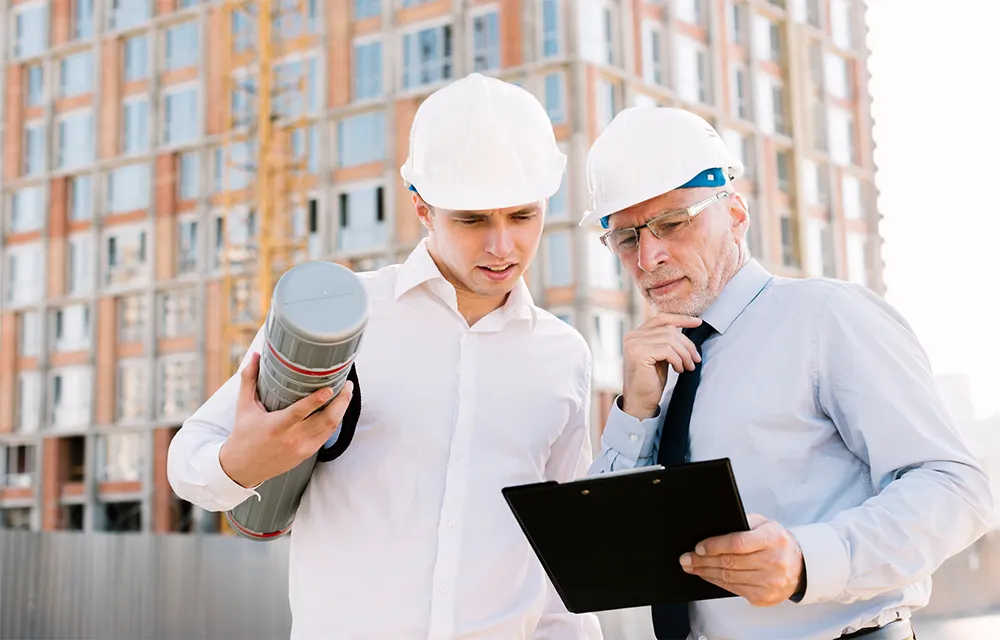
In the lifecycle of a construction project, the active construction phase is where plans come to life. While much attention is often given to the design and planning stages, the engineer’s role does not end with drawings and calculations. In fact, an engineer’s role during construction is pivotal to the project’s successful execution, ensuring that everything on-site aligns with design specifications, regulatory requirements, and safety standards.
From monitoring construction progress to resolving on-site challenges and ensuring structural integrity, engineers are on the ground, not just behind the scenes. This article provides a comprehensive look at what engineers do during the active construction phase and why their involvement is crucial to delivering high-quality, safe, and efficient projects.
Why Engineer’s Role During Construction is Essential
Active construction sites are dynamic and complex environments involving many stakeholders, including contractors, subcontractors, suppliers, inspectors, and local authorities. Engineers serve as a vital bridge between the design intent and the physical execution, ensuring that the final product meets both technical and regulatory expectations.
Their responsibilities extend far beyond design verification; they include construction monitoring, problem-solving, progress reporting, quality control, and safety assurance. Without engineering oversight, misinterpretations, deviations, or errors could result in costly rework, structural weaknesses, or even catastrophic failures.
Core Responsibilities of Engineer’s Role During Construction
- Construction Monitoring and Supervision
One of the most important responsibilities of engineer’s role during construction is monitoring the construction process to ensure compliance with approved plans, specifications, and codes. This involves:
- Regular site visits to inspect work as it progresses
- Verifying that the correct materials and methods are used
- Checking dimensions, alignments, and tolerances
- Ensuring environmental and health safety regulations are followed
While engineers do not typically manage day-to-day construction operations (that’s the contractor’s role), they validate that the work being carried out matches the engineering intent.
- Technical Support and Clarifications
Construction sites often reveal unexpected conditions that were not visible during the design phase. When this happens, engineers are called upon to:
- Provide technical clarifications for contractors and site managers
- Evaluate alternative construction methods when necessary
- Revise details or specifications based on field conditions
- Approve or reject proposed substitutions of materials or components
This real-time problem-solving keeps the project moving while maintaining quality and safety standards.
- Quality Assurance and Control (QA/QC)
Engineers are responsible for overseeing QA/QC processes during construction. This includes:
- Reviewing test reports (e.g., soil compaction, concrete strength, weld integrity)
- Inspecting structural elements before pouring concrete or closing them off
- Ensuring all work complies with industry standards and local building codes
- Identifying and documenting any non-conforming work or defects
Through strict QA/QC, engineers help prevent costly post-construction fixes and extend the structure’s service life.
- Health and Safety Oversight
While health and safety officers handle daily safety practices, engineers play a key role in:
- Identifying structural safety risks as work progresses
- Reviewing method statements and lift plans
- Ensuring temporary works (e.g., scaffolding, shoring) are structurally sound
- Responding to incidents or near misses with engineering insight
This shared responsibility protects workers and the public from structural and environmental hazards.
- Coordination with Stakeholders
Communication is critical on a construction site. Engineers often:
- Attend site coordination meetings
- Liaise with project managers, clients, and contractors
- Help resolve conflicts between design and execution
- Interpret design documents and respond to requests for information (RFIs)
This collaborative role ensures that design changes or clarifications are implemented correctly and timely.
- Documentation and Reporting
Throughout the construction phase, engineers are expected to maintain detailed documentation, including:
- Daily or weekly site observation reports
- Photographic evidence of work progress or issues
- Records of material tests and inspections
- As-built modifications and redline drawings
Accurate documentation protects all parties in case of future disputes and is essential for project closeout.
Real-Time Problem Solving on the Construction Site
No construction site is without its challenges. Unstable ground, weather delays, material shortages, or design discrepancies can arise with little warning. One of the most valuable engineer’s role during construction, is offering quick, safe, and technically sound solutions in real-time.
For example:
- If a foundation trench floods due to unexpected groundwater, the engineer must assess if the subgrade is still usable or needs remediation.
- If a structural steel beam is installed off-spec, the engineer must determine if it needs to be removed, modified, or accepted as-is.
- If reinforcing bars conflict with embedded conduits, the engineer must coordinate a resolution that maintains structural integrity.
These decisions require a balance of technical knowledge, practical experience, and on-the-spot judgment.
Risk Management is One of The Engineer’s Role During Construction
Active construction involves multiple risks, financial, legal, environmental, and physical. Engineers contribute to risk mitigation through:
- Early detection of design or construction flaws
- Prevention of structural failures or safety incidents
- Ensuring compliance with regulations to avoid penalties
- Identifying potential delays or cost overruns
By taking a proactive role, engineers safeguard the project’s success long before any issues escalate.
Engineers and Sustainable Construction Practices
Modern engineering is not only about strength and safety, it’s also about sustainability. engineer’s role during construction:
- Monitor waste management practices
- Ensure energy-efficient systems are installed correctly
- Verify the use of environmentally responsible materials
- Make design adjustments to reduce environmental impact
This aligns with growing requirements for green building certifications like Green Star or NABERSNZ in New Zealand and reflects a commitment to long-term environmental stewardship.
The Difference Between the Design Engineer and the Site Engineer
On many projects, especially large-scale infrastructure or commercial buildings, multiple engineers are involved. Understanding engineer’s role during construction helps clarify responsibilities:
- Design Engineers focus on the initial planning, analysis, and documentation. Their role continues during construction but is often remote.
- Site Engineers are based on-site and directly interact with the construction team. They manage day-to-day engineering support, inspections, and coordination.
Sometimes, one engineer may take on both roles depending on the scale and complexity of the project.
Why the Engineer’s Involvement Makes or Breaks a Project
Projects with strong engineering presence during construction typically:
- Finish on time and within budget
- Pass regulatory inspections without major issues
- Require fewer post-completion fixes or modifications
- Maintain a high level of structural performance over time
On the other hand, a lack of engineering oversight often results in miscommunication, delays, and costly errors. Engineers bring a unique combination of design intent and technical verification that no other role can fully replicate.
Conclusion: Building Success with Engineering Expertise
The construction phase may be the most visible part of a project, but without ongoing engineering involvement, it would lack the precision, safety, and reliability that modern buildings demand. From verifying materials to solving on-the-fly challenges, engineers are indispensable on-site guardians of quality and compliance.
Whether you’re developing infrastructure, commercial buildings, or civil works, having skilled engineers actively involved during construction is key to success.
Ready to collaborate with experienced engineers for your next construction project?
Contact us now to ensure your build is safe, compliant, and expertly delivered from concept to completion.