
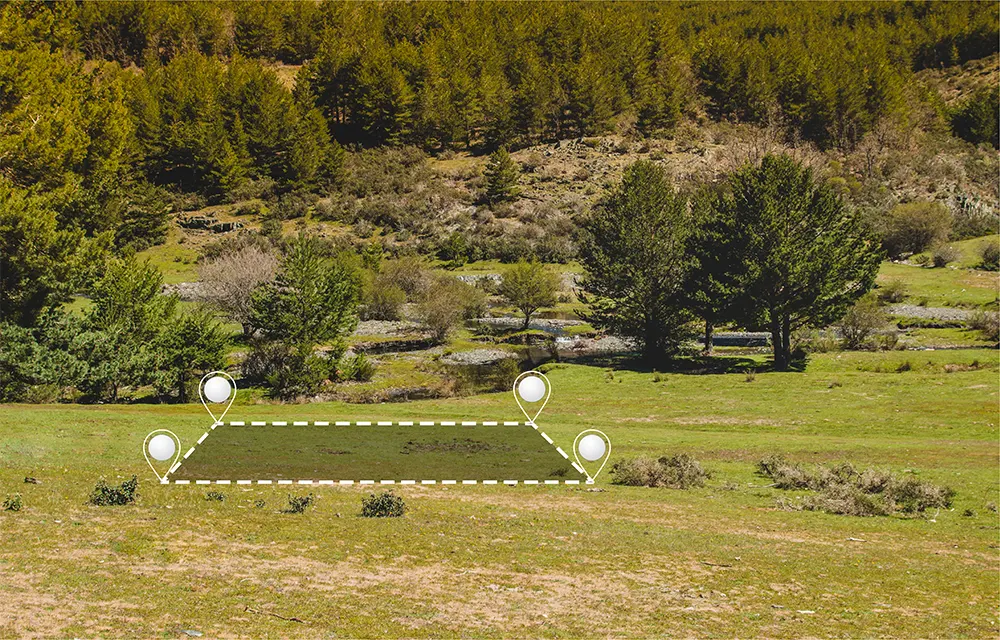
The land development process is one of the most critical journeys in property and infrastructure development projects. Transforming a piece of raw land into a ready site for residential, commercial, or industrial use involves far more than just construction. It requires planning, regulatory approvals, engineering expertise, and careful coordination across multiple disciplines.
For developers, investors, and property owners, understanding this process is essential to avoid delays, reduce risks, and maximize returns. This article breaks down the steps involved in moving from raw land to a developed, construction-ready site, highlighting key considerations at each stage of land development process.
Steps of Land Development Process
Step 1: Site Evaluation and Feasibility
Every land development process begins with a thorough evaluation of the site. This stage helps determine whether the land can support the intended project.
- Topography and Soil Conditions: Geotechnical investigations identify soil stability, bearing capacity, and potential hazards like liquefaction or landslides.
- Environmental Constraints: Wetlands, floodplains, and protected habitats must be accounted for to comply with environmental laws.
- Access and Location: Proximity to roads, utilities, and markets determines viability and cost-effectiveness.
Feasibility studies at this stage prevent costly surprises later in the project.
Step 2: Land Acquisition and Legal Considerations
In the second step of land development process, once a site is deemed feasible, developers move to acquisition. However, buying raw land comes with legal responsibilities:
- Title and Ownership Checks: Ensuring the land is free of encumbrances.
- Zoning and Land Use Regulations: Confirming that the intended development aligns with local planning laws.
- Consents and Permissions: Securing building consents and subdivision approvals where required.
Without addressing these legal aspects, even the most promising project can stall.
Step 3: Planning and Design
With land secured, the planning and design phase begins. This stage of land development process sets the vision and technical direction for the project.
- Urban Planning: Layout of lots, roads, green spaces, and public infrastructure.
- Engineering Design: Structural, civil, and geotechnical engineers prepare plans for drainage, utilities, and foundations.
- Sustainability Considerations: Incorporating energy efficiency, stormwater management, and eco-friendly materials.
The planning stage is where creativity meets technical precision, ensuring the project is both functional and compliant.
Step 4: Regulatory Approvals
No land development process can proceed without the proper approvals. This step can often be the most time-consuming.
- Subdivision Consent: Required when dividing raw land into multiple lots.
- Resource Consents: Needed for developments affecting the environment, such as earthworks or water use.
- Building Consents: Approval of structural and safety compliance for construction.
Working with experienced consultants and engineers helps streamline the approval process.
Step 5: Site Preparation
Once approvals are granted, physical transformation of the land begins. This step of land development process is the bridge between raw land and a construction-ready site.
- Clearing and Grading: Removing vegetation, debris, and leveling the land.
- Earthworks: Excavating and compacting soil to prepare for foundations.
- Drainage Systems: Installing stormwater infrastructure to prevent flooding.
- Utility Connections: Laying water, sewer, electricity, and telecommunication lines.
Proper site preparation is crucial to long-term stability and safety of the land development.
Step 6: Infrastructure Development
Before individual buildings rise, the backbone of the community must be established.
- Road Construction: Creating access roads, driveways, and pathways.
- Public Services: Integrating lighting, signage, and green spaces.
- Retaining Walls and Slopes: Ensuring slope stability in hilly or challenging terrain.
This stage of land development process sets the framework for residents, businesses, or industrial users to thrive.
Step 7: Final Site Readiness
The last stage of land development process ensures that the site is ready for vertical construction.
- Surveying and Plot Marking: Defining precise lot boundaries for builders.
- Final Inspections: Local authorities verify that infrastructure and site work meet compliance.
- Handover: The land is now prepared for construction of homes, offices, or facilities.
At this point, the raw land has been fully transformed into a ready site, equipped with infrastructure and approvals.
Why Understanding the Land Development Process Matters
Skipping or rushing any stage of land development process can lead to:
- Regulatory penalties or denied approvals.
- Structural failures due to inadequate soil preparation.
- Delays and budget overruns.
Developers who understand and respect each step are better positioned to deliver successful, profitable, and sustainable projects.
Conclusion
The land development process is a multi-stage journey that transforms raw land into a construction-ready site. From site evaluation and legal checks to planning, site preparation, and infrastructure installation, each step is critical for safety, compliance, and success.
For developers, cutting corners may seem tempting, but comprehensive land development ensures long-term value, stability, and community trust.
If you are planning a land development project and need expert guidance in surveying, engineering, and compliance, connect with our team today via our Contact Us page.