
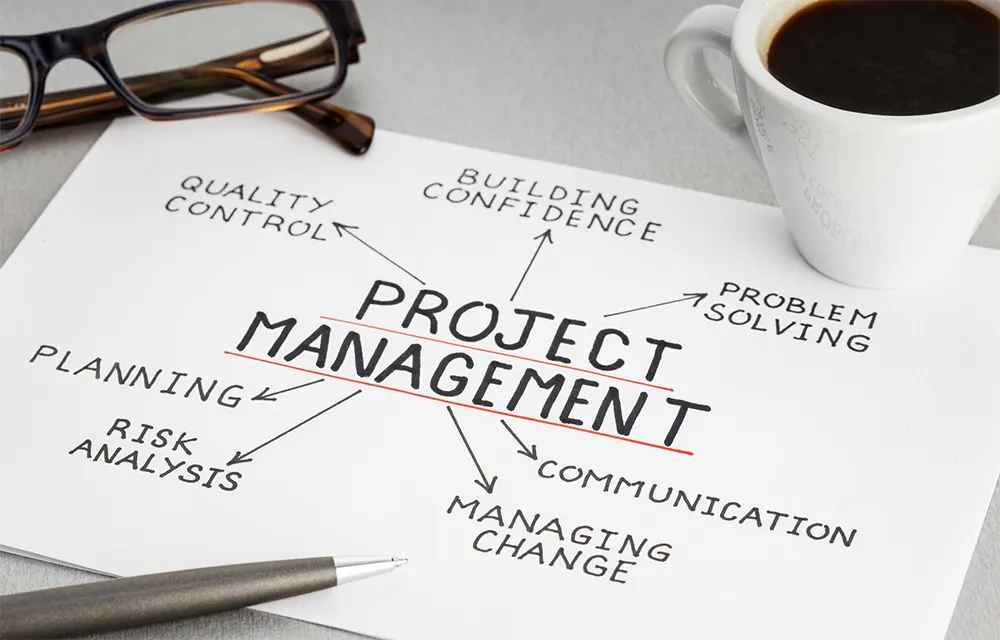
In the realm of construction, infrastructure, and civil engineering, the success of a project hinges not only on technical expertise but also on effective coordination, communication, and control. This is where project management services come into play. Whether you’re planning a large-scale infrastructure build or a residential development, project management services ensure that objectives are met on time, on budget, and to the required quality standards.
This article explores what project management services are, how they function in civil and infrastructure projects, and why they are essential for efficient and risk-managed project delivery.
Understanding Project Management Services
At its core, project management services refer to the application of knowledge, skills, tools, and techniques to meet project requirements. These services cover the entire lifecycle of a project, from initial planning and feasibility through to design, construction, handover, and sometimes post-construction support.
Project managers are responsible for overseeing every phase, ensuring coordination between stakeholders, managing resources, monitoring progress, and resolving problems before they escalate.
In sectors like civil engineering and infrastructure development, the complexity and scale of projects make professional project management services indispensable.
Key Functions of Project Management Services
Project management services can vary depending on the project’s type and scope, but they generally include the following core functions:
- Project Planning and Scheduling
A well-developed project plan is the backbone of a successful project. This includes:
- Establishing project objectives and deliverables
- Creating a work breakdown structure (WBS)
- Developing a timeline using tools like Gantt charts or CPM
- Setting milestone and deadline targets
- Budgeting and Cost Control
Accurate budgeting and proactive cost management ensure financial discipline throughout the project. Responsibilities include:
- Preparing initial and detailed cost estimates
- Managing contingency allowances
- Tracking expenses against the budget
- Identifying potential cost overruns early
- Scope and Change Management
Projects often evolve during execution. Scope management involves:
- Clearly defining deliverables
- Establishing procedures for scope changes
- Ensuring any change aligns with time and cost constraints
- Preventing “scope creep” through formal review and approval processes
- Procurement and Contract Management
Project managers handle the acquisition of services, materials, and labour. This process includes:
- Selecting qualified vendors and contractors
- Drafting and negotiating contracts
- Monitoring contractor performance
- Ensuring all purchases meet quality and compliance standards
- Risk Management
Every project carries risk. Effective risk management involves:
- Identifying potential risks in advance
- Evaluating likelihood and impact
- Developing mitigation and contingency plans
- Monitoring risks throughout the project lifecycle
- Stakeholder Communication
Clear and timely communication is essential. Project managers:
- Serve as the main point of contact between clients, engineers, contractors, and authorities
- Organise and lead regular project meetings
- Prepare progress reports for internal and external stakeholders
- Manage expectations and align goals
- Quality Assurance and Compliance
Ensuring that work is completed to standard is a vital responsibility. This includes:
- Implementing quality control procedures
- Conducting audits and inspections
- Coordinating with regulatory agencies for permits and approvals
- Ensuring health and safety standards are maintained on-site
Types of Project Management Services
Depending on the scale and complexity of a civil or infrastructure project, various types of project management services may be required. These include:
- Owner’s Representative Services
The project manager acts on behalf of the project owner to oversee contractors, design consultants, and regulatory processes.
- Construction Project Management
Focused specifically on managing the construction phase, this includes monitoring site activities, coordinating trades, and ensuring adherence to the schedule.
- Design and Pre-Construction Management
Covers all activities before ground is broken site analysis, feasibility, consultant coordination, design reviews, and budgeting.
- Integrated Project Delivery (IPD)
A collaborative model where the client, contractor, and designer work together from the start, sharing risks and rewards.
The Value of Project Management Services in Civil and Infrastructure Projects
Project management services offer a structured and disciplined approach to complex builds. In sectors like civil engineering and public infrastructure, this value is magnified due to the significant investments, regulatory constraints, and potential for disruptions.
Key benefits include:
- On-time delivery: Managing schedules and resources ensures timely project completion.
- Budget control: Cost estimation and tracking reduce the risk of overruns.
- Risk mitigation: Identifying and resolving issues early protects the project’s success.
- Improved collaboration: A single point of coordination ensures that all parties work toward a common goal.
- Enhanced quality: Ongoing monitoring guarantees that the final output meets design and safety standards.
- Regulatory compliance: Project managers ensure that all permits, codes, and environmental regulations are met.
The Role of Technology in Modern Project Management
Digital tools have transformed how project managers deliver services. These innovations increase visibility, streamline workflows, and reduce risk.
Some key tools include:
- Project Management Software: Platforms like MS Project, Primavera P6, or cloud-based tools like Asana or Monday.com help track tasks, timelines, and dependencies.
- Building Information Modeling (BIM): Offers 3D visualization and coordination between designers, contractors, and engineers.
- Document Management Systems: Ensure that plans, contracts, and reports are organized and accessible in real-time.
- Drone Monitoring and Site Cameras: Allow managers to inspect large or remote sites without physical presence.
- Mobile Reporting Tools: Field staff can send updates, images, and checklists directly from the site to the management team.
Choosing the Right Project Management Partner
If you’re a developer, government agency, or private client planning a civil or infrastructure project, choosing the right project management service provider is critical.
When evaluating partners, consider:
- Experience with similar projects
- Credentials and qualifications of team members
- Track record for meeting deadlines and budgets
- Familiarity with local regulations and compliance
- Strong communication skills and references
The ideal project management partner brings more than just administrative support—they become a strategic ally committed to your project’s success.
Conclusion: Building Success Through Project Management Services
In today’s construction and infrastructure landscape, project management services are not a luxury, they’re a necessity. By overseeing every aspect of the project lifecycle, project managers ensure alignment between design, budget, scheduling, compliance, and stakeholder goals.
Whether you’re developing a transportation network, constructing a commercial building, or upgrading public infrastructure, a skilled project management team will help you navigate complexities and achieve results with confidence.
Looking for experienced project management services for your civil or infrastructure project?
Our expert team offers tailored solutions to ensure your next build stays on track, on budget, and fully compliant.
Contact us today to discuss your project needs.