
Structural Engineering for Complex and Irregular Buildings: Designing Stability Beyond Conventional Forms
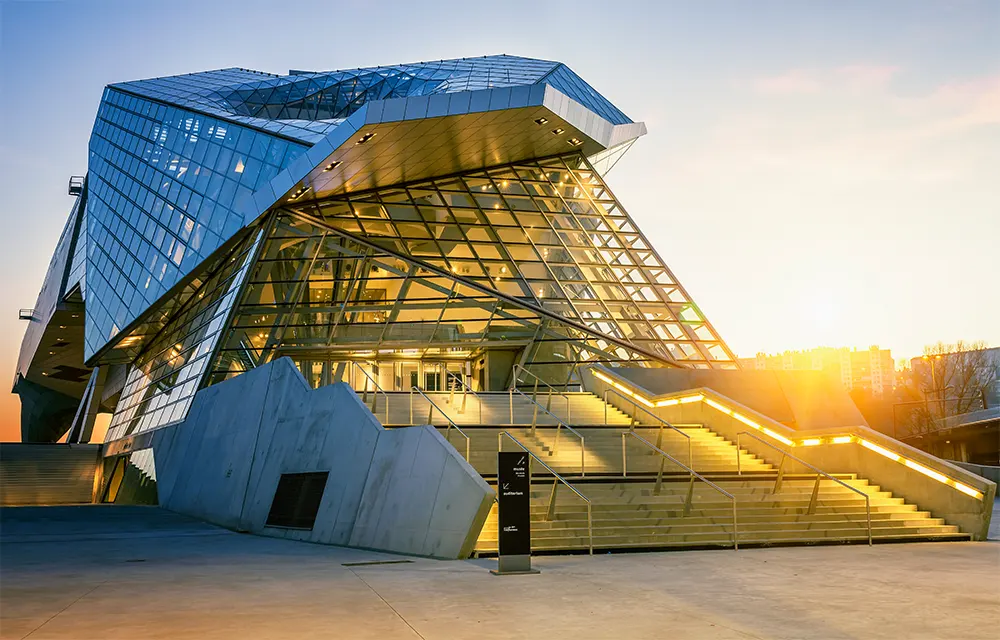
Modern architecture is increasingly defined by complexity. From irregular geometries and asymmetric layouts to mixed-use towers and architecturally expressive forms, today’s buildings often move far beyond simple, regular structural systems. While these designs push creativity and functionality forward, they also introduce significant engineering challenges. Structural engineering for complex and irregular buildings plays a critical role […]
How to Use Geotechnical Reports in Design and Construction for 2026

Geotechnical reports are among the most important technical documents produced for any civil engineering, structural engineering, or infrastructure development project. Yet, despite their significance, they are often misunderstood, underutilised, or treated as a box-ticking exercise. Knowing how to use geotechnical reports in design and construction is essential for creating safe, cost-effective, and buildable solutions that […]
What a Proper Site Investigation Should Include in 2026

A proper site investigation is one of the most critical steps in any civil engineering, structural engineering, or land development project. Before a single footing is poured or a design is finalised, engineers must understand what lies beneath the surface. Ground conditions directly influence foundation design, construction methods, project cost, and long-term performance. When site […]
Managing Uncertainty in Geotechnical Engineering Projects: Reducing Risk Beneath the Surface

Uncertainty is an inherent part of geotechnical engineering. Unlike many other engineering disciplines, geotechnical engineers work with materials that cannot be fully seen, sampled, or tested in their entirety. Soil and rock conditions vary naturally, historical land use can obscure true ground behaviour, and groundwater conditions can change over time. As a result, managing uncertainty […]
Managing Scope Creep in Civil and Infrastructure Projects: Protecting Time, Cost, and Project Integrity

Scope creep is one of the most common and costly challenges in civil engineering and infrastructure development projects. What begins as a clearly defined project can gradually expand through small, unapproved changes, unclear requirements, or evolving stakeholder expectations. Over time, these incremental changes can significantly impact budgets, schedules, resource allocation, and even project quality. Managing […]
How Traffic Modelling Supports Transport Infrastructure Design

Modern transport infrastructure cannot be designed on assumptions alone. As cities grow, traffic patterns become more complex, travel demands increase, and the consequences of poor planning become far more costly. Traffic congestion, safety issues, and inefficient networks are often the result of infrastructure that was not properly analysed at the design stage. This is where […]
Land Development Constraints That Impact Design and Cost: What Developers and Engineers Must Consider
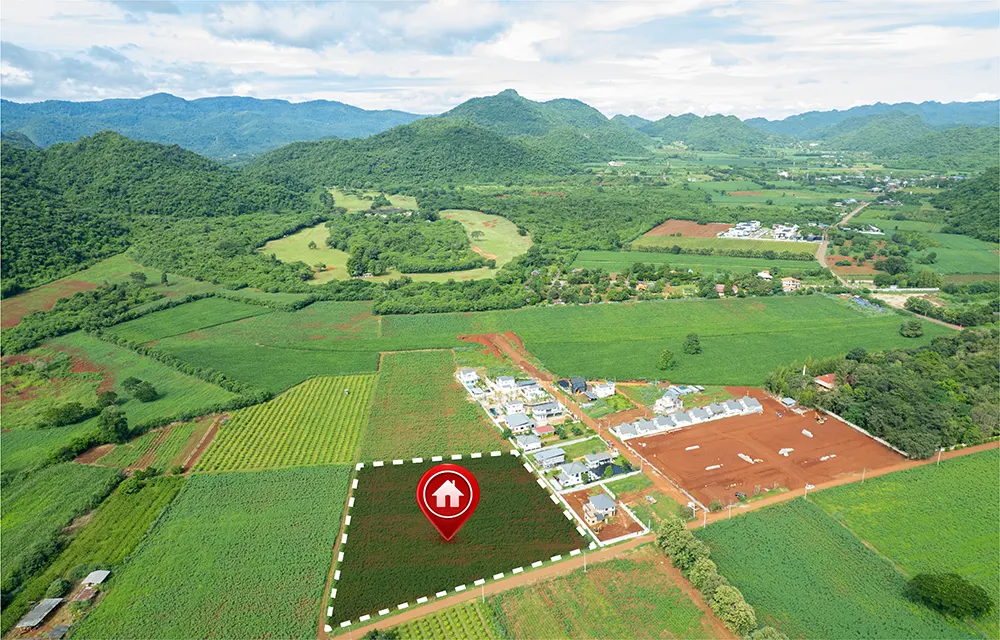
Land development is rarely a blank canvas. Every site comes with its own set of constraints that influence how a project is designed, approved, and ultimately constructed. These land development constraints can significantly affect both design flexibility and overall project cost. Understanding land development constraints early in the process is critical for developers, planners, and […]
Environmental Management Strategies for Earthworks and Land Disturbance

Earthworks and land disturbance are unavoidable components of most civil engineering, infrastructure development, and land development projects. Activities such as excavation, grading, filling, and site preparation are essential for creating stable platforms for construction. However, without proper environmental management, these works can lead to serious environmental impacts, regulatory breaches, project delays, and long-term damage to […]
Infrastructure Development in Constrained Urban Environments: Engineering Solutions for Complex City Projects

Infrastructure development in constrained urban environments is one of the most demanding areas of modern civil engineering. As cities grow denser and available land becomes increasingly limited, engineers are required to deliver complex infrastructure systems within tight physical, regulatory, and social constraints. Roads, utilities, drainage networks, transport systems, and public amenities must all be designed […]
Civil Engineering Solutions for High-Density Developments: A Guide for 2026
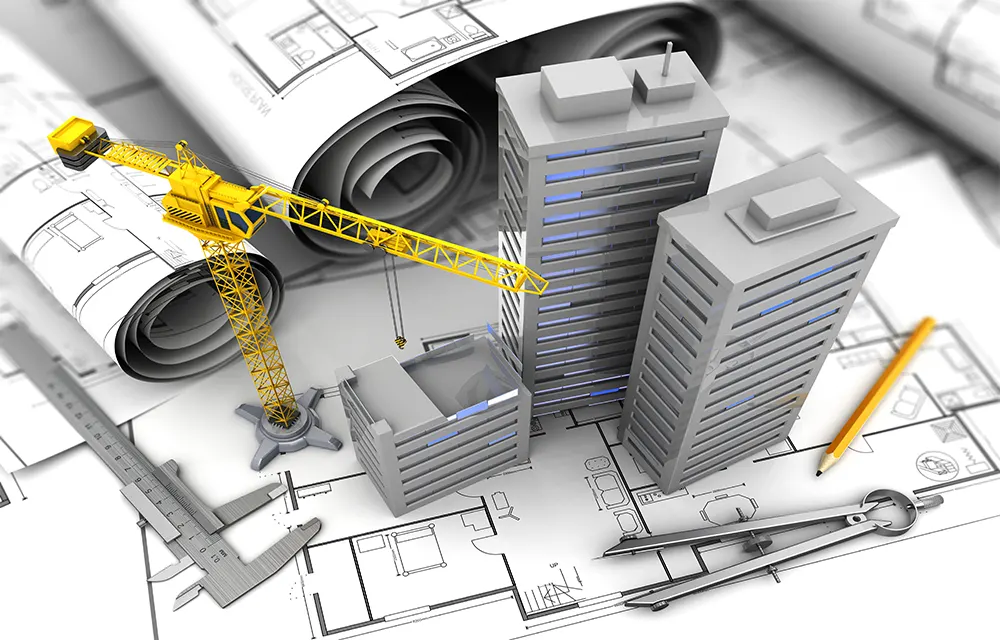
High-density developments are rapidly becoming the defining feature of modern cities. As urban populations grow and land availability tightens, developers and local authorities are increasingly turning to vertical and compact developments to meet housing, commercial, and infrastructure demands. While these projects offer significant economic and social benefits, they also introduce complex engineering challenges that require […]