
Liquefaction Assessment in New Zealand: Applying the MBIE/NZGS Modules

When the 2010–2011 Canterbury earthquake sequence turned entire suburbs of Christchurch into rolling seas of sand and silt, New Zealand’s geotechnical profession learned a $40 billion lesson about liquefaction risk. More than a decade on, that lesson has been codified into one of the most rigorous liquefaction assessment frameworks in the world — the MBIE/NZGS […]
CPT vs SPT vs Hand Auger: Choosing the Right Site Investigation Method in NZ
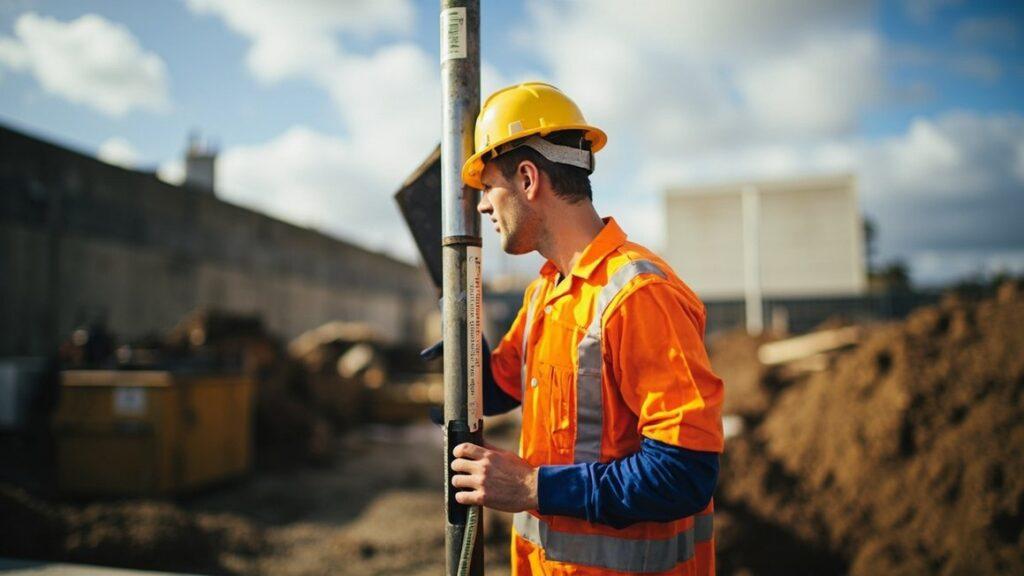
Choosing the wrong investigation method on a Christchurch liquefaction-prone site, or a Wellington hillside subject to slope instability, can cost a project weeks in re-drilling and thousands of dollars in redesign. Yet many clients still ask for “a few boreholes” without understanding that the method drives the quality, cost, and defensibility of every geotechnical recommendation […]
Geotechnical Investigation Requirements for a NZ Building Consent

A missing geotechnical report is one of the most common — and most expensive — reasons a New Zealand building consent application stalls on a council’s desk. Projects can sit in “further information requested” limbo for eight to twelve weeks while a geotechnical investigation is commissioned retrospectively, adding tens of thousands of dollars to a […]
Expansive Clay Soils and Slab Heave: Designing Foundations for NZ Shrink-Swell Ground
A door that jams shut every summer and swings free every winter is not a carpentry problem. It is a foundation problem, and in parts of Northland, Waikato and Marlborough, it is one of the most expensive callbacks a builder can receive. Highly plastic clay soils beneath thousands of New Zealand homes swell when wet […]
Foundation Design for Liquefiable Ground: Raft, Ground Improvement or Piles?
When the ground beneath a building turns from solid support into something resembling wet concrete during shaking, the difference between a resilient structure and a red-stickered one often comes down to a single decision made at the foundation design stage. Liquefaction has reshaped how engineers approach residential and commercial construction across New Zealand, and getting […]
Bearing Capacity Calculations for Shallow Foundations: NZ Worked Examples

Every year, New Zealand structural and geotechnical engineers sign off on shallow foundation designs for houses, warehouses, and commercial buildings across everything from stiff Auckland clays to loose Christchurch alluvium and windblown Tauranga sands. Get the bearing-capacity-calculation wrong, and the consequences range from unsightly cracking to full-blown settlement failure — the kind that ends up […]
Underpinning Existing Foundations: Options for NZ Villas and Character Homes
Walk into any villa in Ponsonby, Thorndon, or Mount Victoria and there’s a good chance you’re standing on foundations laid before the NZ Building Code existed—shallow timber piles or unreinforced concrete footings sunk barely 300-450mm into the ground. These century-old character homes are architectural treasures, but their foundations were never designed for modern renovations, basement […]
Deep Pile Foundations in NZ: Bored, Driven and CFA Pile Selection Criteria

A pile foundation that performs brilliantly in Auckland’s residual volcanic clays can fail spectacularly beneath Christchurch’s liquefiable alluvium — and that single fact explains why deep foundation selection in New Zealand is never a catalogue exercise. Choosing between bored, driven and continuous flight auger (CFA) piles requires a forensic understanding of ground conditions, seismic demand […]
Foundation Design on Peat Soils: Lessons from Waikato and Hauraki Plains
A house built on untreated peat can settle more than 300mm within a decade, cracking slabs, jamming doors, and turning driveways into ramps. Across the Waikato Basin and the Hauraki Plains, thousands of properties sit atop peat deposits that can exceed 15 metres in depth, and every one of them tests the limits of conventional […]
Screw Piles in New Zealand: Design, Verification and Producer Statements

A screw pile can be installed in under ten minutes, load-tested on the spot, and signed off the same afternoon — yet a surprising number of New Zealand foundation failures still trace back to piles that were never properly verified against the ground they sit in. As screw piles become the default foundation solution for […]