
Responding to Unexpected Conditions in Real-Time: Adaptive Strategies in Civil and Infrastructure Projects

Civil engineering and infrastructure projects operate in complex, ever-changing environments. Despite thorough planning, detailed designs, and comprehensive site investigations, unexpected conditions can still emerge. These conditions (ranging from unforeseen ground behavior and weather extremes to supply chain disruptions and regulatory changes) can severely disrupt timelines, budgets, and safety on site. To maintain momentum and prevent […]
Key Legal and Safety Implications in Ground Reports for Construction Projects
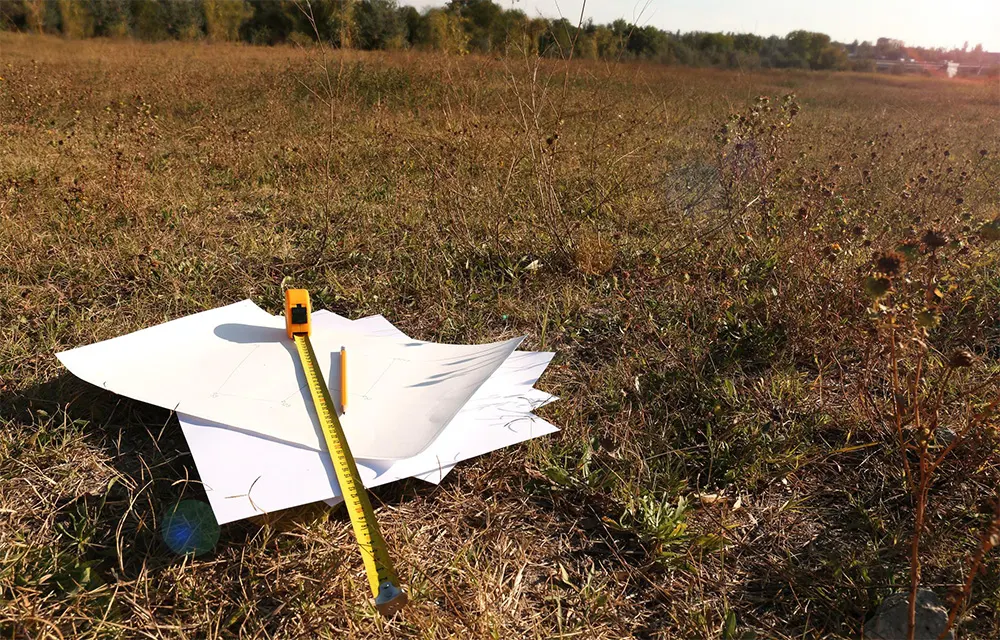
In modern construction and civil engineering, ground reports (also referred to as geotechnical reports or site investigation reports are far more than technical documents. They play a pivotal role in legal compliance, risk management, and safety assurance. A well-prepared ground report can protect stakeholders from costly litigation, delays, and failures. Conversely, a flawed or insufficient report […]
Retaining Wall Design for Steep Slopes: Engineering Stability into Challenging Terrain
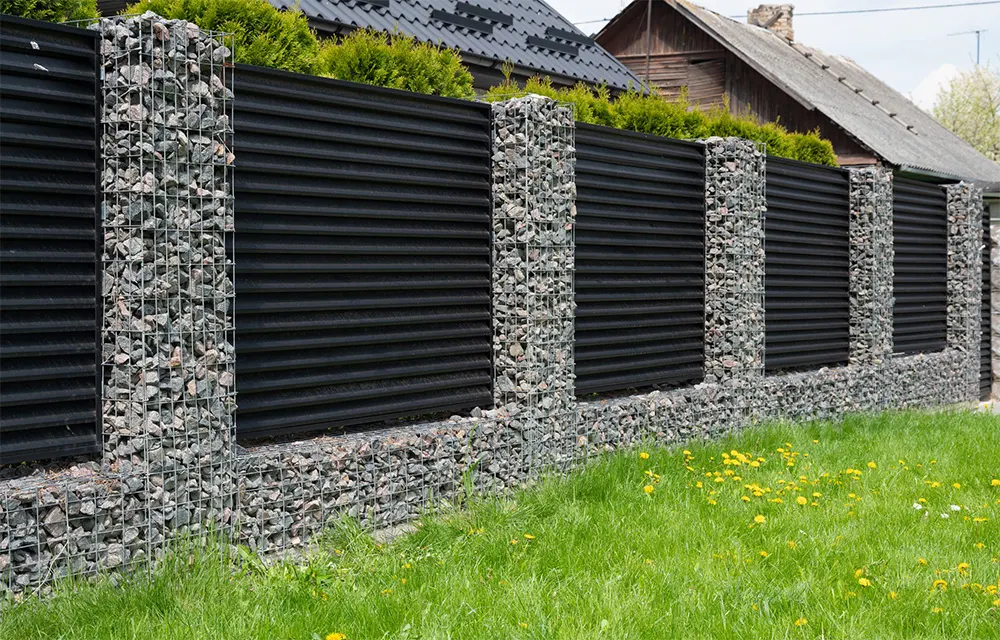
Designing retaining walls for steep slopes is one of the most critical and technically demanding aspects of civil and geotechnical engineering. These structures are not just about aesthetics or defining property boundaries they are safety mechanisms that protect infrastructure, buildings, and landscapes from landslides, erosion, and structural instability. In regions with rugged terrain or limited […]
Engineering Foundations for Seismic Zones: Designing Earthquake-Resilient Structures from the Ground Up

In regions prone to seismic activity, such as New Zealand, Japan, and parts of the United States, foundation engineering must account for far more than typical structural loads. The design of foundations for seismic zones demands specialized knowledge, advanced techniques, and rigorous compliance with local building codes to ensure structures can resist ground shaking, liquefaction, […]
slope stabilization techniques on Construction Sites: Engineering Solutions for Safe and Lasting Foundations

Slope stability is a critical concern in construction, particularly on sites with uneven terrain, weak soils, or exposure to rainfall and seismic activity. In New Zealand, where construction often takes place in geologically diverse and sometimes unstable environments, slope stabilization techniques play a vital role in ensuring the safety, longevity, and performance of buildings and […]
Soil Testing Standards and Compliance in New Zealand: A Guide for Safe and Sustainable Construction

Understanding the ground beneath a construction site is as important as the structure that rises above it. In New Zealand, where diverse geology and frequent seismic activity play a crucial role in engineering decisions, soil testing standards and compliance are not just regulatory checkboxes they are foundational pillars of safe, durable, and legally sound construction […]
Techniques for Subsurface Ground Characterization in Modern Construction Projects
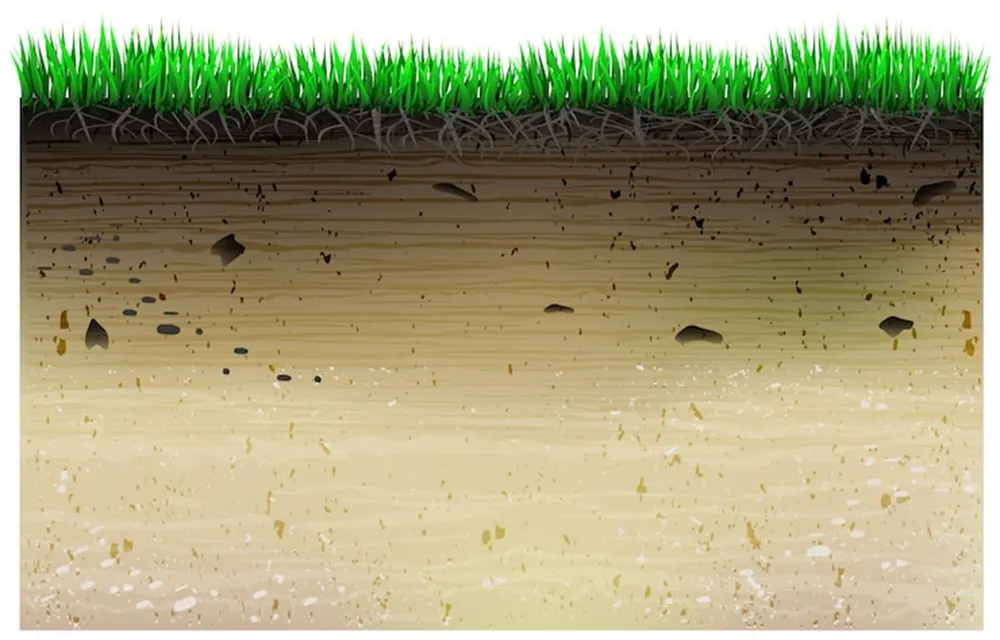
In every successful construction project, one of the first and most critical steps is understanding what lies beneath the surface. Whether constructing a skyscraper, a bridge, a retaining wall, or a road, the behavior of the ground below directly influences the safety, stability, and longevity of the structure. This process of investigating and analyzing the […]
Advances in Geotechnical Engineering for Complex Sites
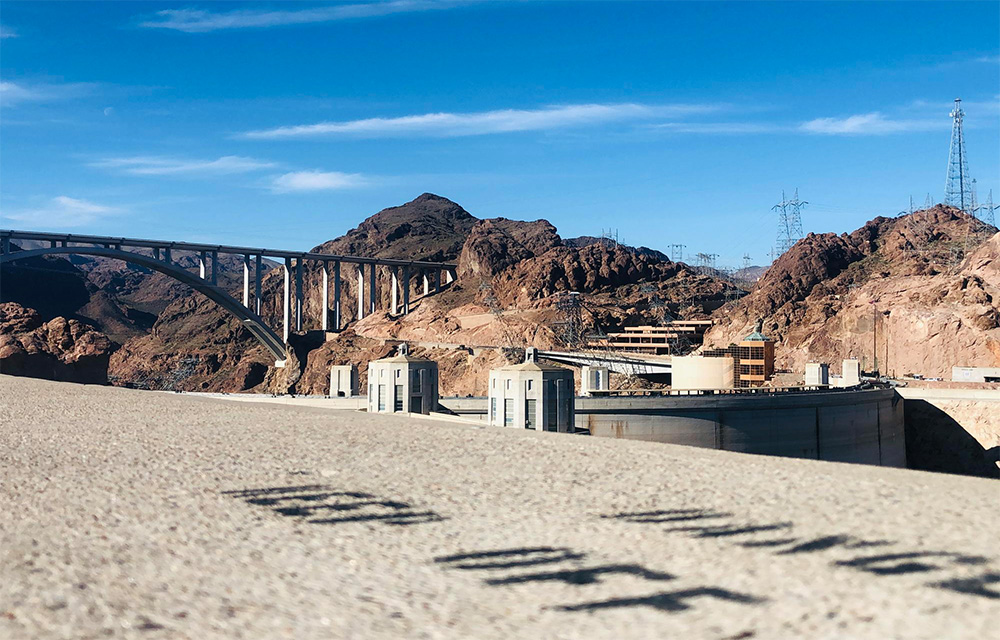
In the realm of civil and infrastructure development, geotechnical engineering serves as the foundational science that ensures safety, stability, and structural performance. As projects grow in complexity and extend into challenging terrains (such as soft soils, steep slopes, reclaimed land, or seismically active zones) the role of advanced geotechnical solutions becomes critical. Geotechnical engineering for […]
Construction Project Lifecycle: Insights from Project Management Perspectives
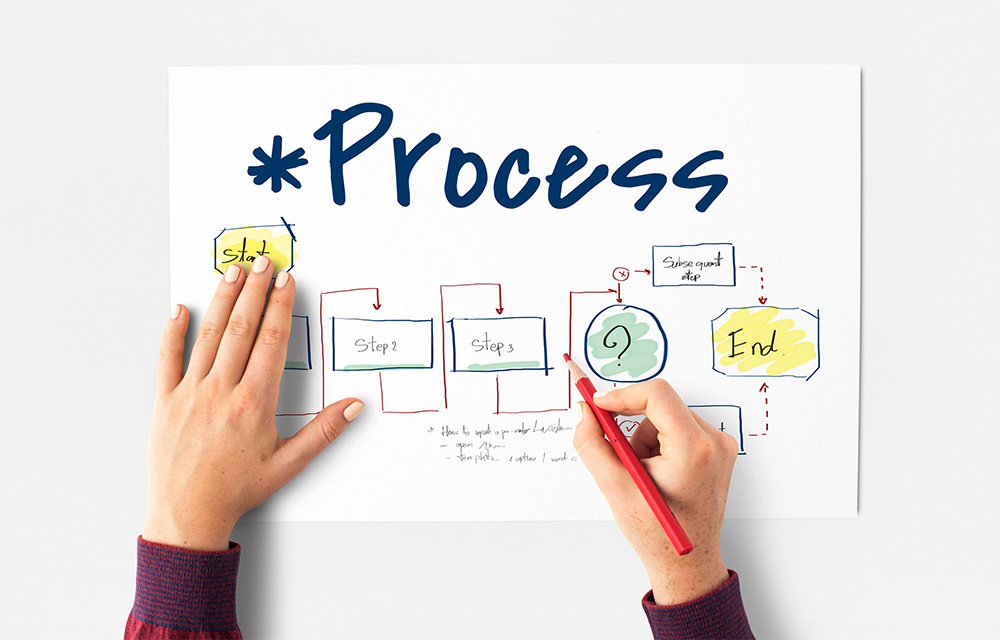
The construction project lifecycle encompasses a structured sequence of phases that guide a project from its initial idea to its final completion and closeout. While each phase involves a unique set of tasks and stakeholders, successful execution requires a consistent thread of project management discipline throughout the entire construction project lifecycle. For civil and structural […]
Road Safety Design Principles for Transport Engineers: Creating Safer Urban and Rural Networks

Modern transportation systems must do more than move people efficiently they must also protect them. Every year, thousands of lives are lost due to road crashes, many of which can be prevented through thoughtful and proactive engineering. For transport engineers, designing safer roads is not just a technical challenge it’s a social responsibility. Road safety […]