
Why Construction Monitoring Is Crucial for Geotechnical Stability
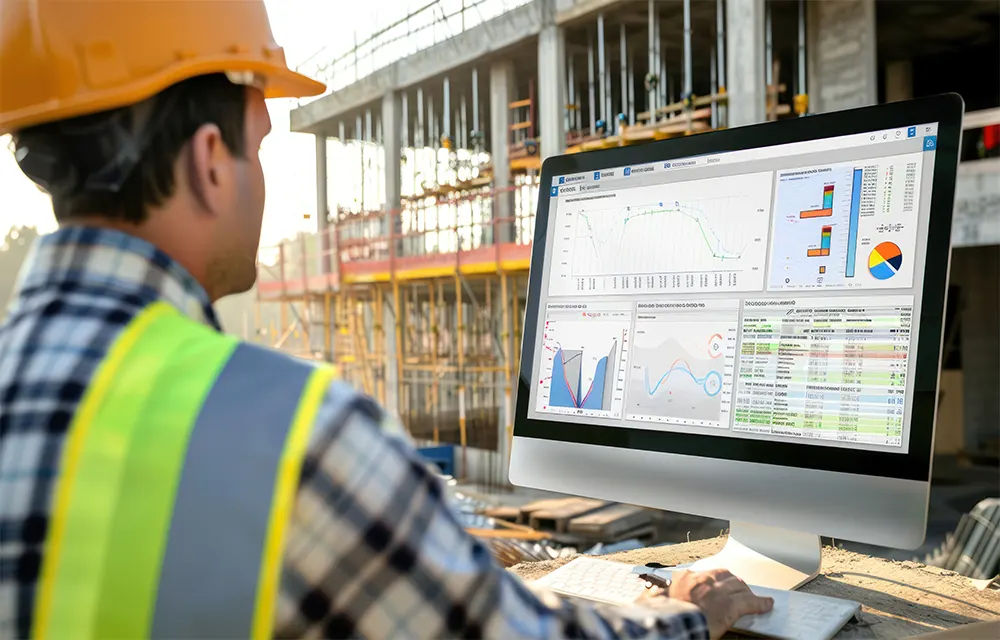
In any civil engineering or infrastructure development project, success does not stop at the design stage, it depends just as much on execution. Even the most carefully prepared geotechnical reports and structural designs can fall short if construction practices deviate from specifications. This is where construction monitoring becomes indispensable, particularly for ensuring geotechnical stability. construction […]
How to Choose the Right Types of Foundations for Your Site: A Guide for Safe and Cost-Effective Construction

Every building or infrastructure project relies on one critical component: the foundation. Acting as the interface between the structure and the ground, foundations ensure stability, safety, and long-term performance. Choosing the wrong types of foundation (or making decisions without proper investigation) can lead to settlement, cracking, or even structural failure. In this article, we’ll walk […]
Factors That Influence Slope Failure in Civil Projects: Understanding Risks and Engineering Solutions
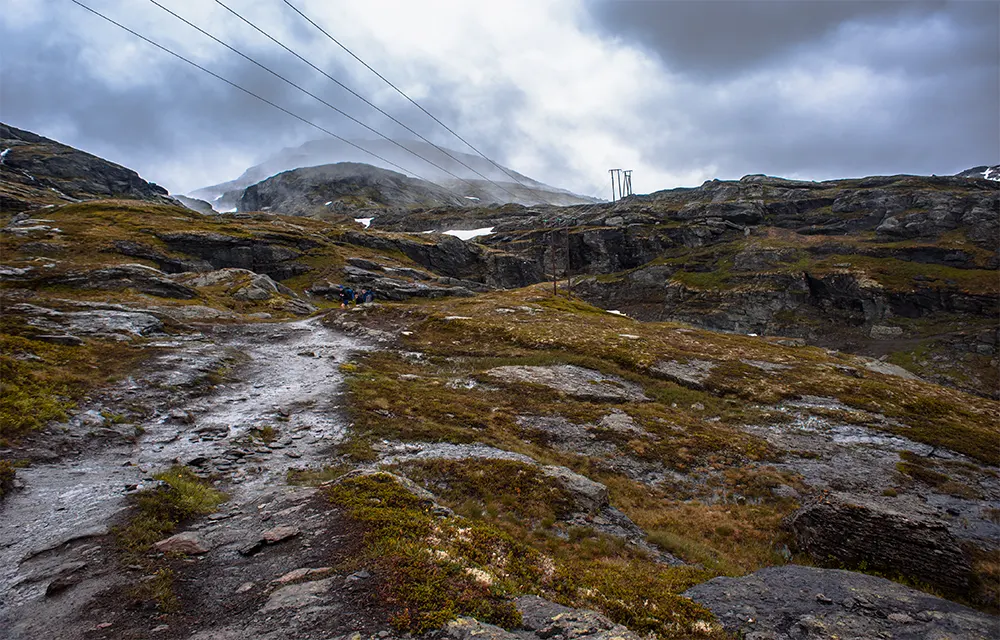
Slopes are an unavoidable part of many construction and infrastructure projects, particularly in countries like New Zealand where hills, coastal cliffs, and mountainous terrain dominate the landscape. While slopes can often be stable, the risk of slope failure (a sudden or gradual movement of soil or rock) poses a major hazard for civil engineering projects. […]
What Happens During a Ground Investigation? A Step-by-Step Guide for Developers and Engineers
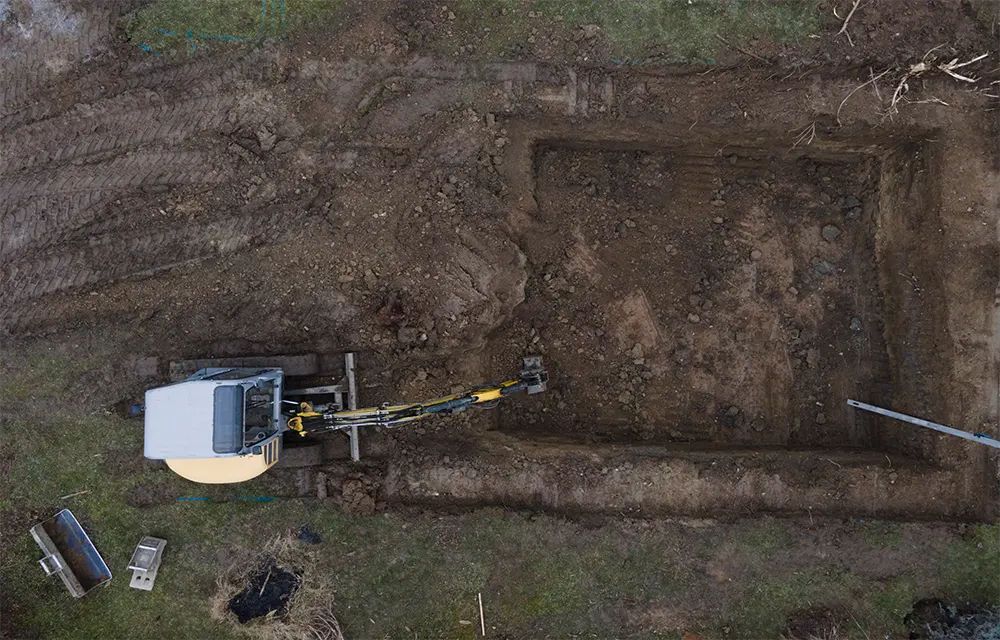
Before construction begins, the success of any project depends heavily on knowing exactly what lies beneath the ground surface. A ground investigation is the process of studying subsurface conditions to provide engineers, architects, and developers with accurate information for design and construction. Without it, projects risk instability, unexpected costs, and structural failures. In this article, […]
Red Flags to Watch for During Early Site Evaluation: A Guide for 2026
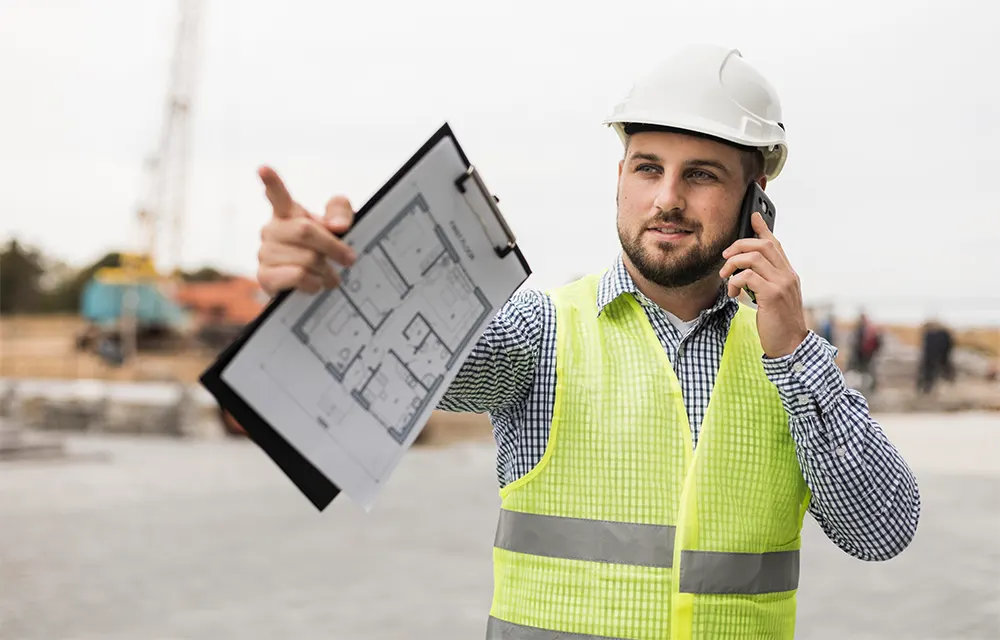
Before any major construction or land development project begins, the early site evaluation sets the stage for everything that follows. This stage involves assessing the physical, environmental, and regulatory conditions of the land to ensure it is suitable for development. Overlooking warning signs at this point can lead to severe delays, safety issues, costly redesigns, […]
Geotechnical Risk Assessment for Major Civil Projects: Building on Solid Ground
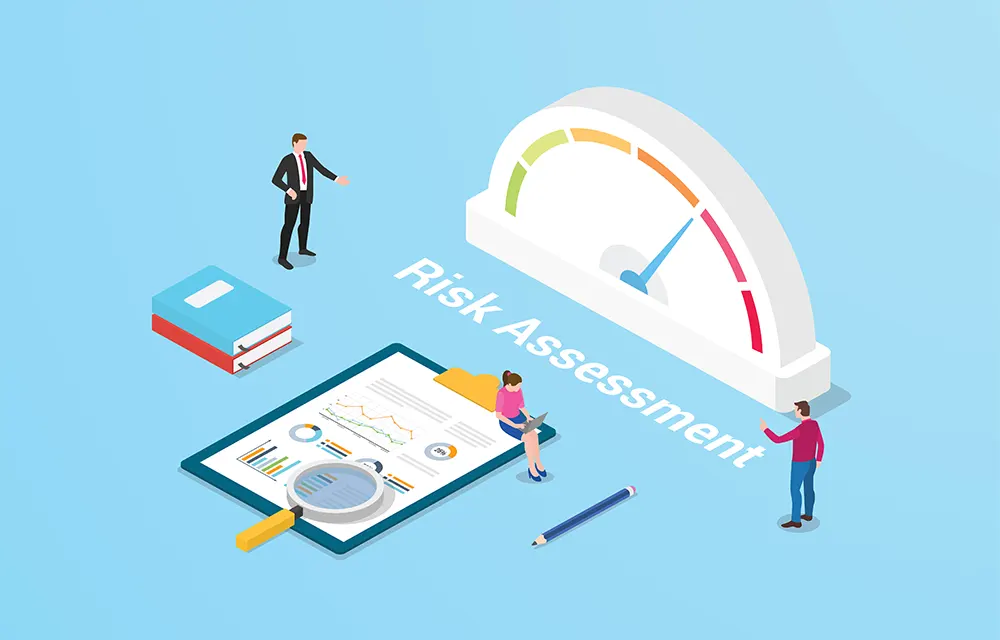
Every civil engineering project begins with the ground beneath it. Whether it’s a skyscraper, a highway, a bridge, or a dam, the soil and rock conditions at a site fundamentally determine the safety, cost, and long-term performance of the structure. This is where geotechnical risk assessment becomes indispensable. Unforeseen soil behavior, groundwater conditions, or slope […]
Challenges in Highway and Urban Roadway Design: Balancing Mobility, Safety, and Sustainability
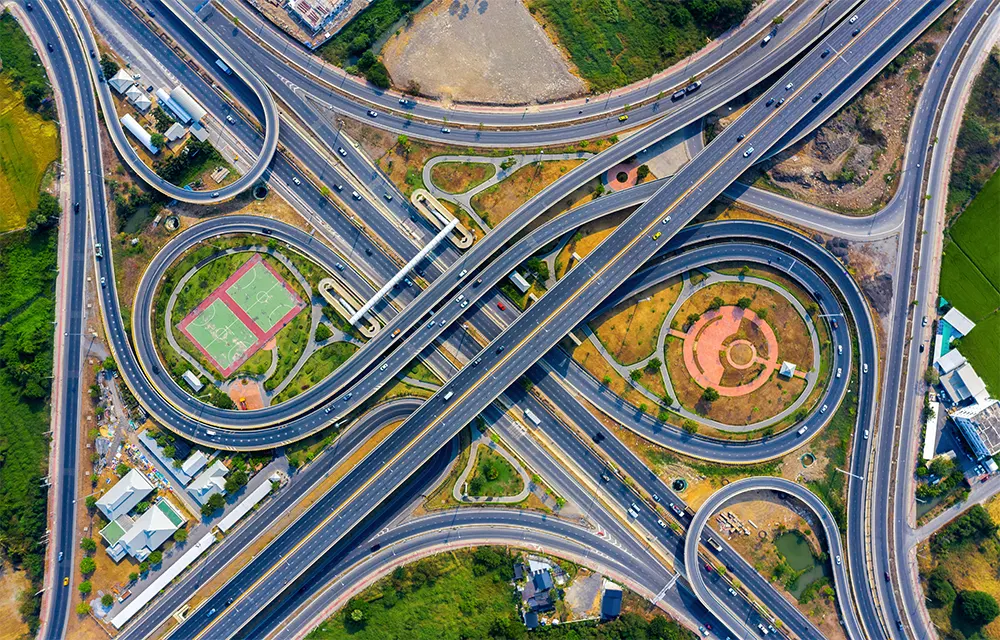
Highways and urban roadways are critical components of transportation infrastructure, serving as the lifelines that connect people, goods, and services. However, designing these networks is far from straightforward. Engineers must balance mobility, safety, environmental sustainability, and economic feasibility, all while addressing the urban roadway design challenges posed by growth and evolving transportation needs. This article […]
How to Reducing Environmental Impact in Land and Infrastructure Projects

Modern infrastructure development is essential for economic growth and societal progress, yet it often comes with significant environmental costs. From carbon emissions during construction to long-term effects on ecosystems, the challenge lies in balancing development needs with sustainable practices. Reducing environmental impact of land and infrastructure projects is no longer optional, it is a responsibility […]
How Infrastructure Projects Drive Economic Growth
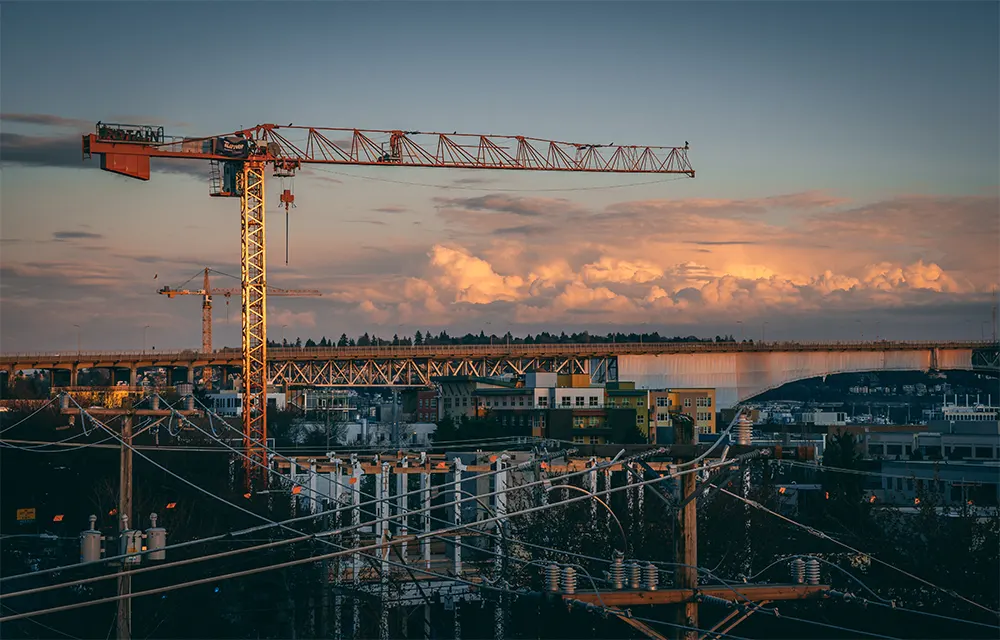
Infrastructure projects are more than just physical developments like roads, bridges, and public transit systems, they are catalysts for economic transformation. In every thriving economy, robust infrastructure is the backbone that supports productivity, trade, and sustainable development. From enabling businesses to move goods efficiently to connecting communities with new opportunities, infrastructure projects lay the groundwork […]
The Land Development Process: From Raw Land to Ready Site
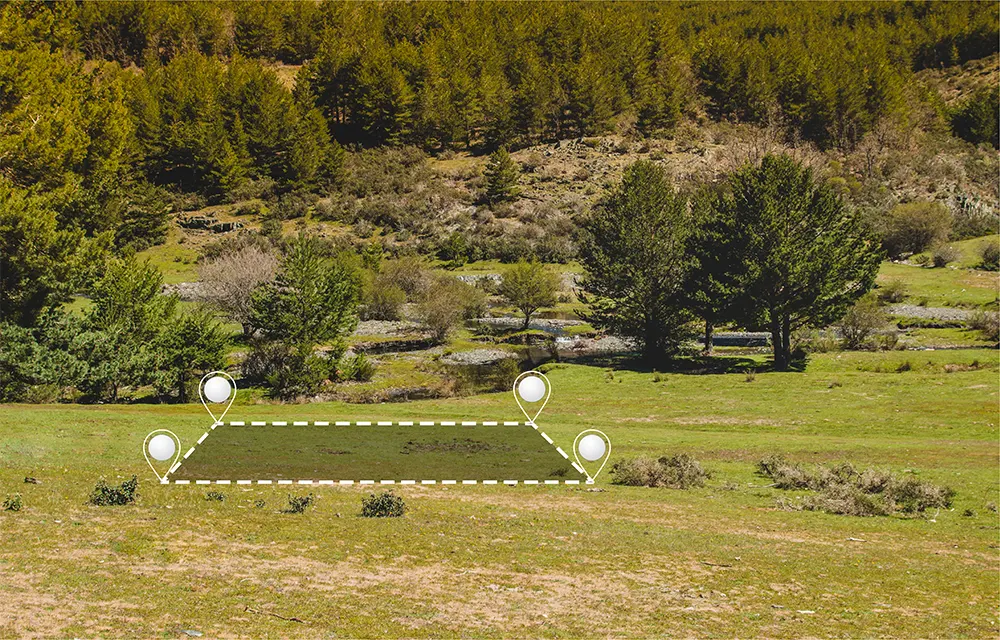
The land development process is one of the most critical journeys in property and infrastructure development projects. Transforming a piece of raw land into a ready site for residential, commercial, or industrial use involves far more than just construction. It requires planning, regulatory approvals, engineering expertise, and careful coordination across multiple disciplines. For developers, investors, […]