ARTICLES
Filters


Slope Stability Analysis Methods: Limit Equilibrium vs Finite Element for NZ Projects
Groundwater and Geotechnical Design: Managing Perched Water Tables on NZ Sites

Retaining Wall Geotechnical Design in NZ: Seismic Earth Pressures and Global Stability
Settlement Analysis for NZ Structures: Immediate, Consolidation and Seismic Settlement

Ground Improvement Techniques for NZ Sites: Stone Columns, DSM and Densification
Auckland’s Soils Explained: East Coast Bays Formation, Tauranga Group and Volcanic Ash


Expansive Clay Soils and Slab Heave: Designing Foundations for NZ Shrink-Swell Ground





Structural Steel Design to NZS 3404: Connections, Capacity and Corrosion in NZ Conditions

Wind Zones in New Zealand: Determining Site Wind Speed Under NZS 3604 and AS/NZS 1170.2

Earthquake-Prone Buildings: %NBS Assessment and the Seismic Assessment Guidelines
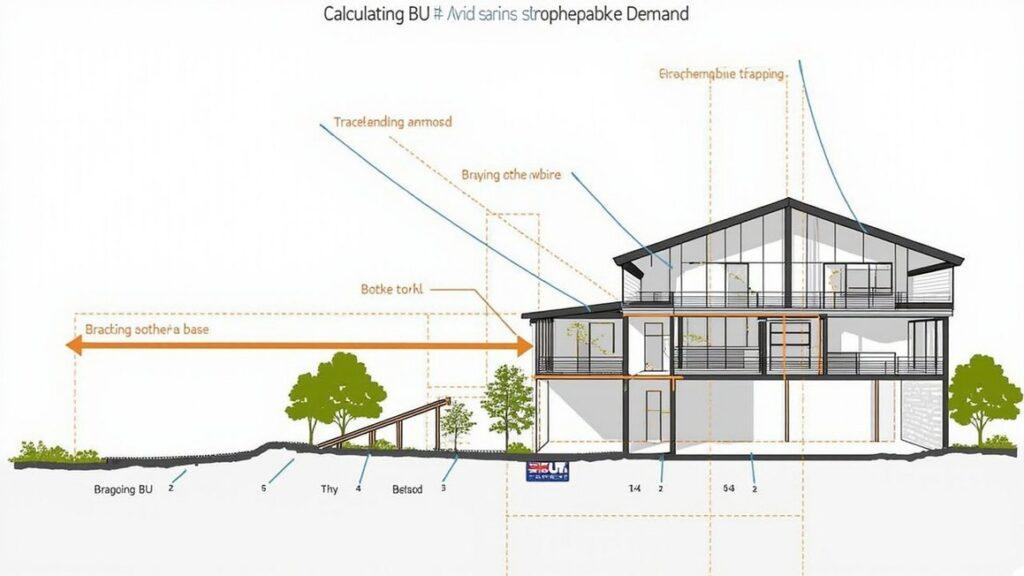
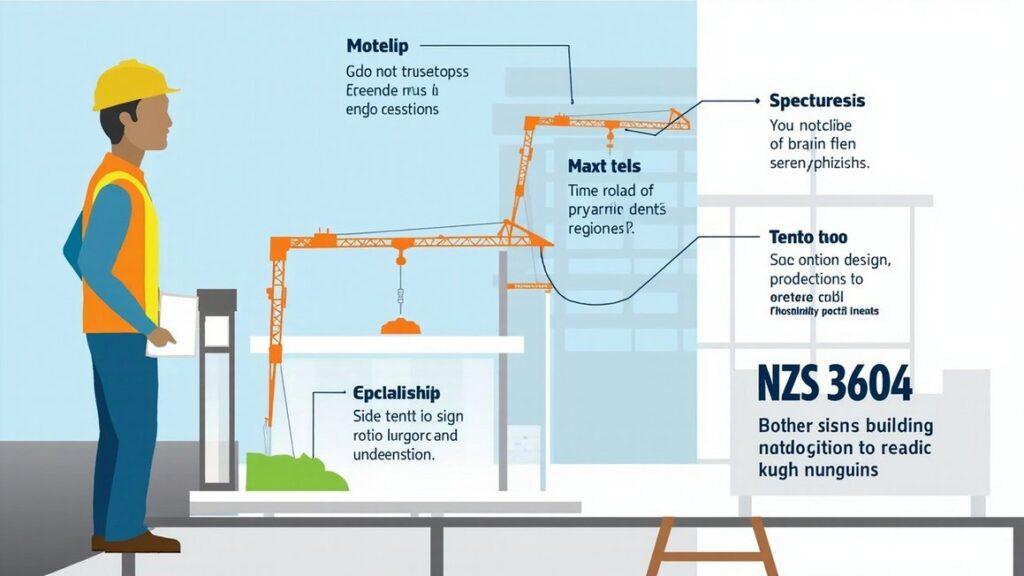
When Does a Building Need Specific Engineering Design (SED) Instead of NZS 3604?
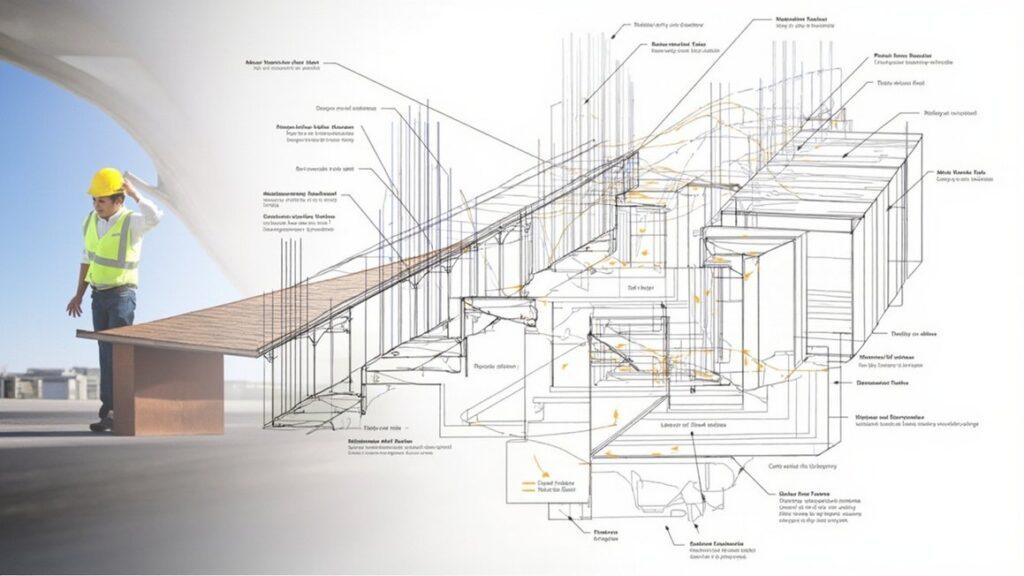
Seismic Design to NZS 1170.5: Understanding Hazard Factors, Site Class and Ductility
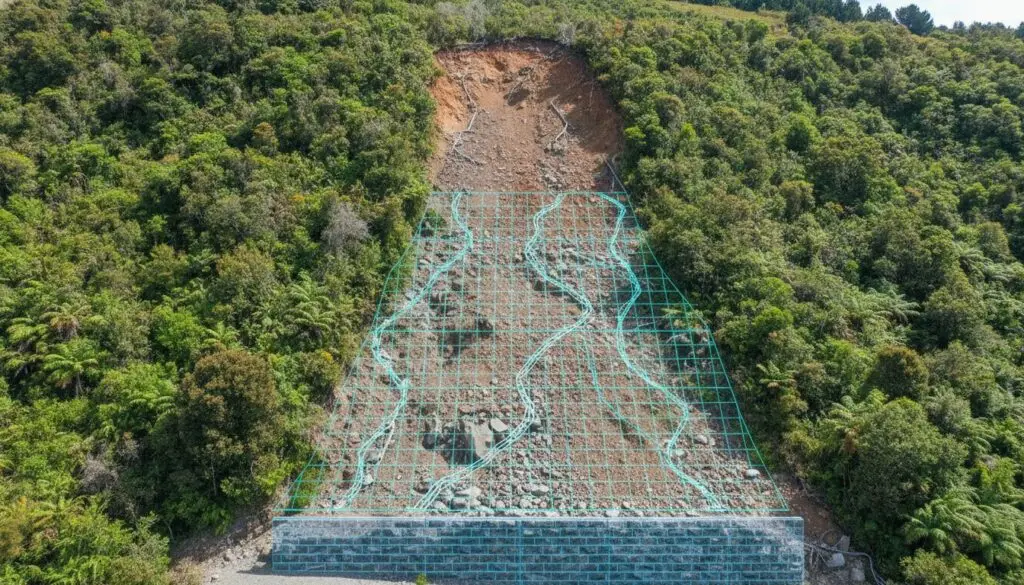

Infrastructure Development Services: A Strategic Guide to Engineering Excellence in 2026
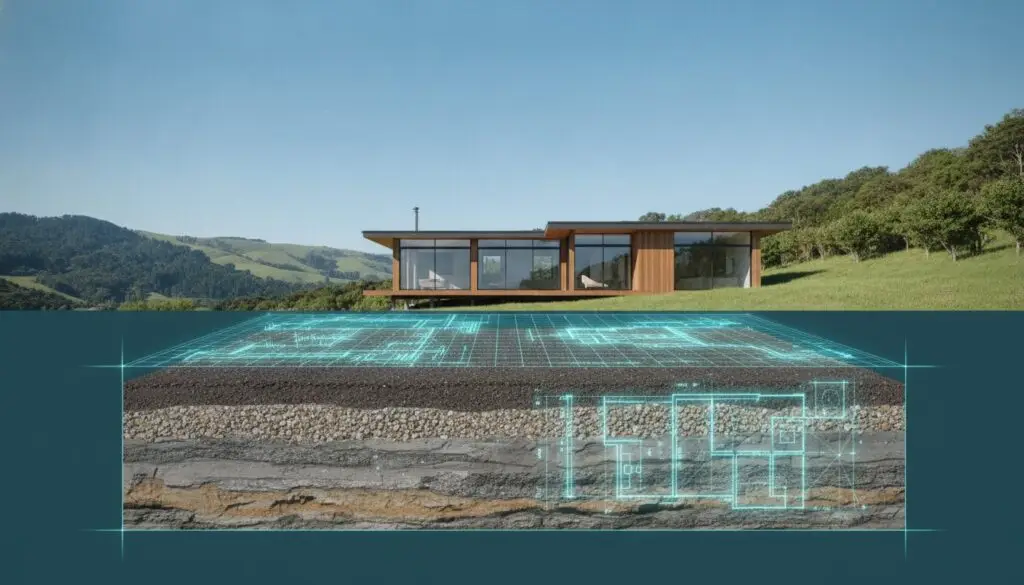
Geotechnical Report for Building Consent: The Essential Guide for New Zealand Developers
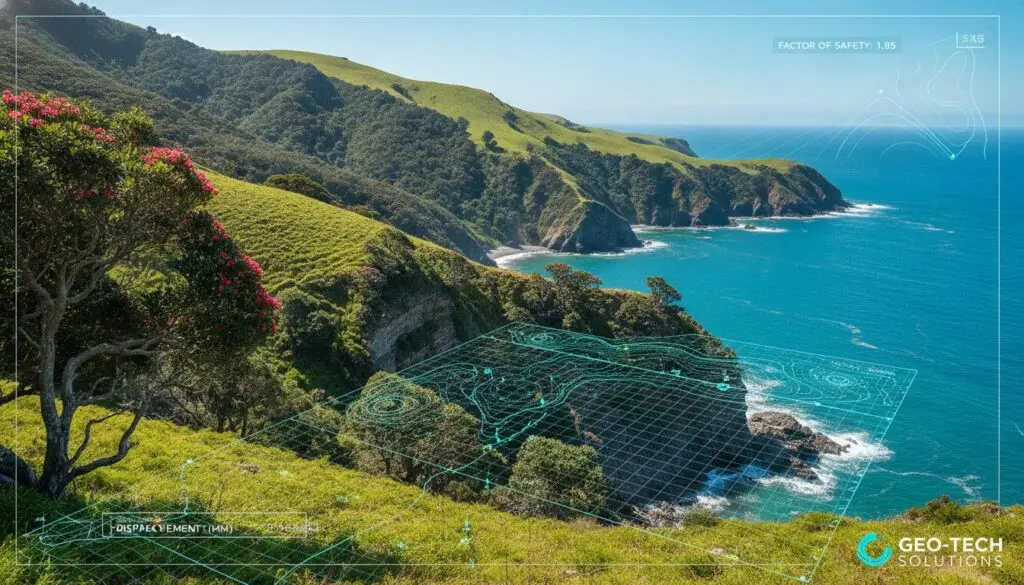

Structural Engineering for Complex and Irregular Buildings: Designing Stability Beyond Conventional Forms


Managing Uncertainty in Geotechnical Engineering Projects: Reducing Risk Beneath the Surface

Managing Scope Creep in Civil and Infrastructure Projects: Protecting Time, Cost, and Project Integrity

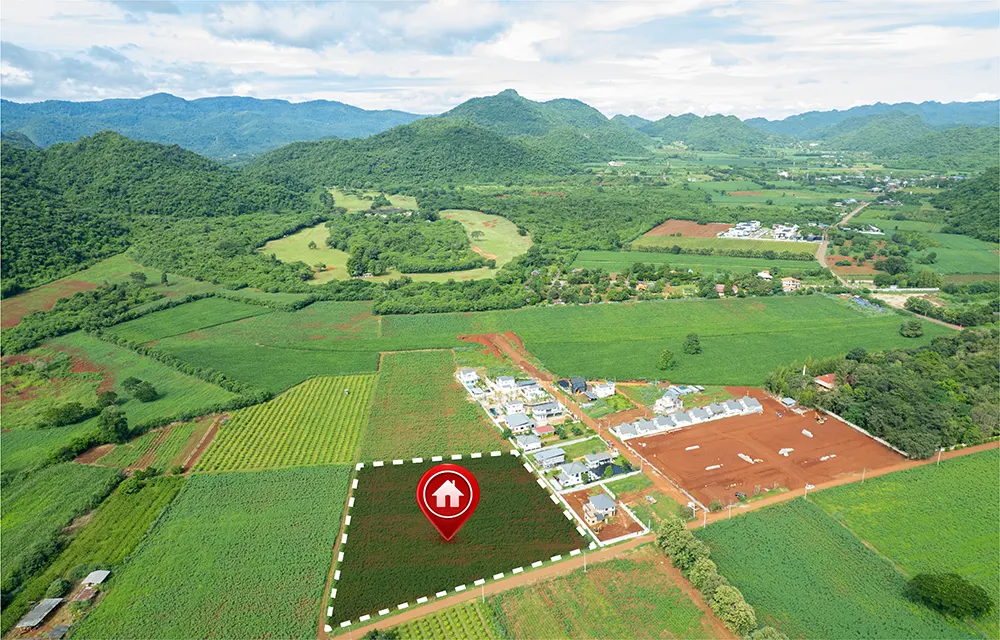
Land Development Constraints That Impact Design and Cost: What Developers and Engineers Must Consider


Infrastructure Development in Constrained Urban Environments: Engineering Solutions for Complex City Projects
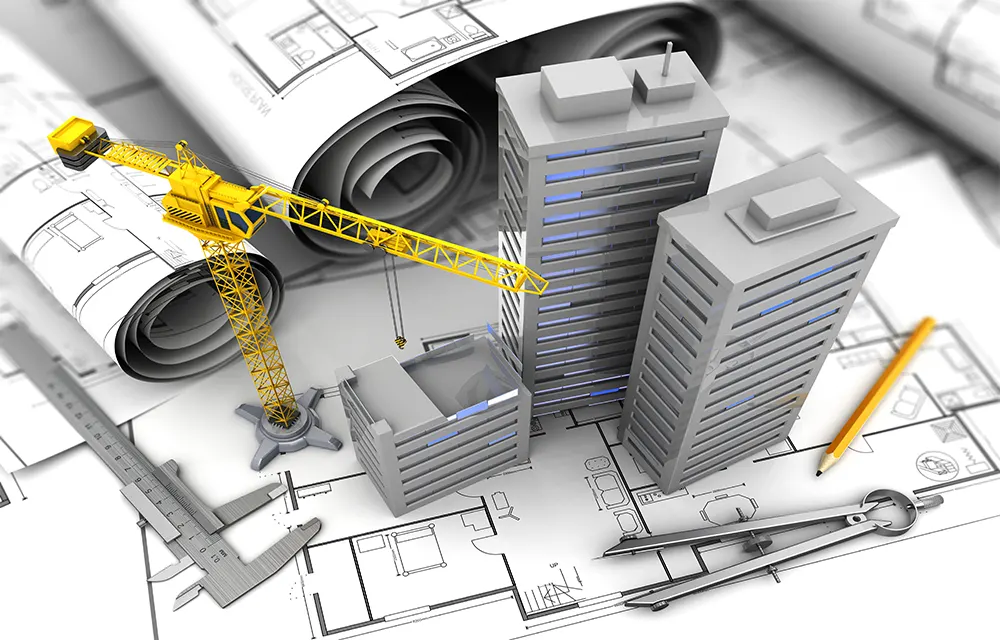

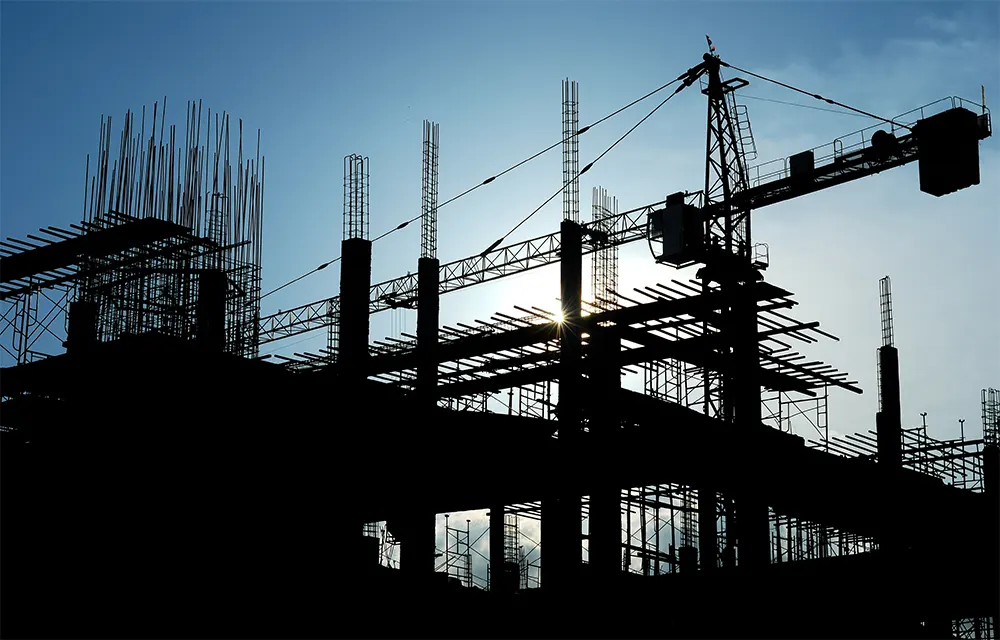
How Structural Engineering Ensures Compliance and Safety: A Deep Look into Modern Building Practice

Different Surveying Equipment and Tools: A Technical Guide for Modern Land and Construction Projects





Different Types of Land Surveying: Understanding the Foundation of Every Development Project

Collaboration Between Architects and Structural Engineers: Building Harmony in Design and Function

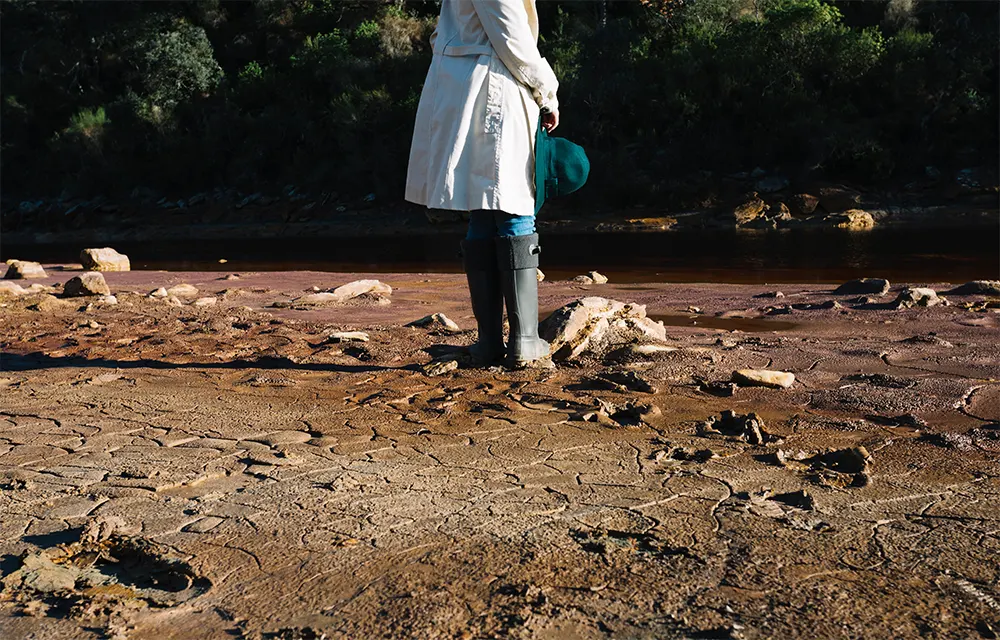
Common Ground Problems in Construction and How Geotechnical Engineers Solve Them

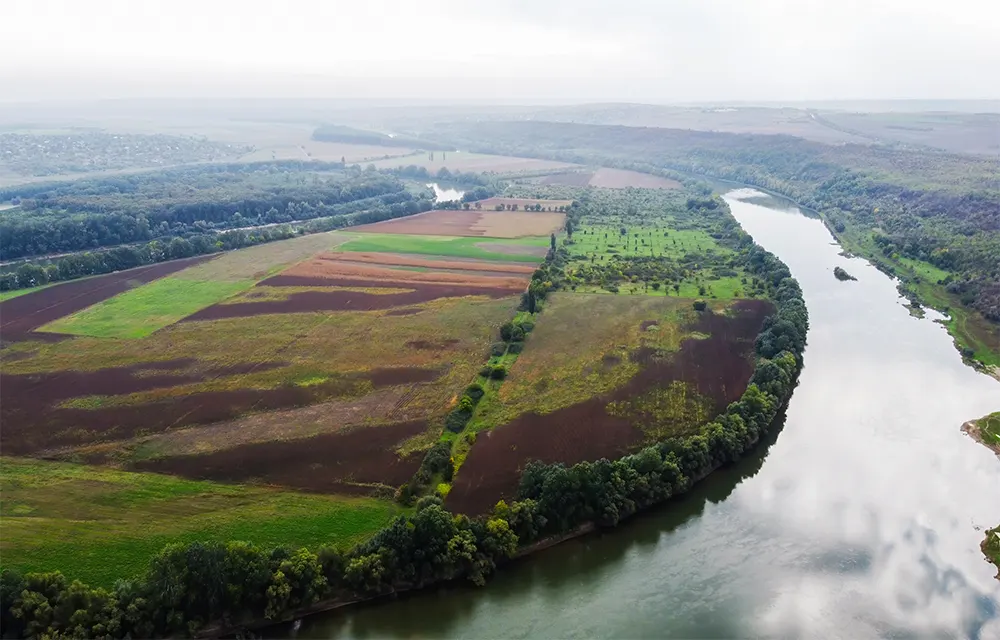



How to Choose the Right Types of Foundations for Your Site: A Guide for Safe and Cost-Effective Construction
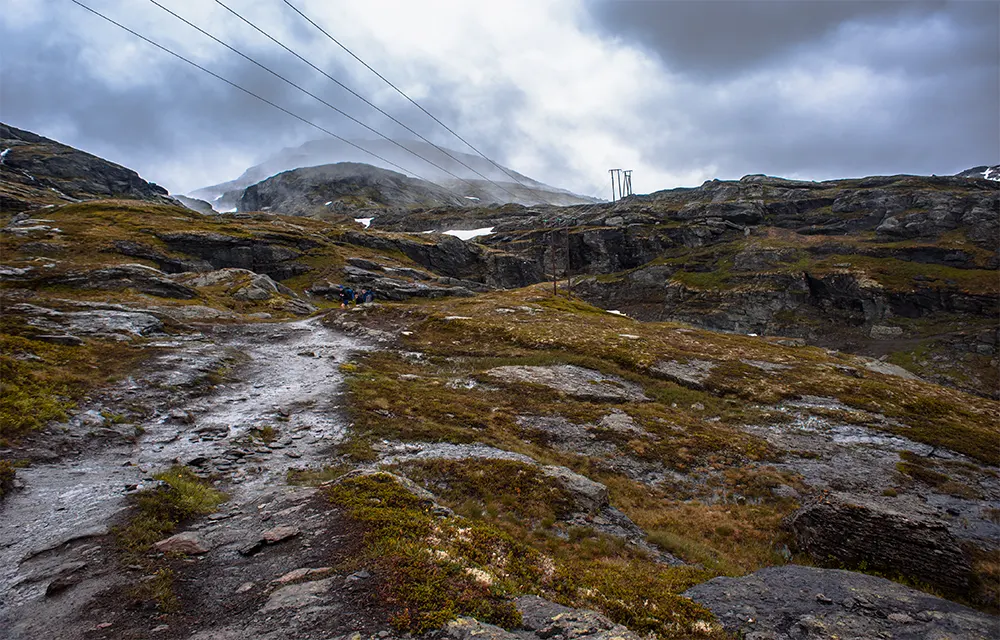
Factors That Influence Slope Failure in Civil Projects: Understanding Risks and Engineering Solutions
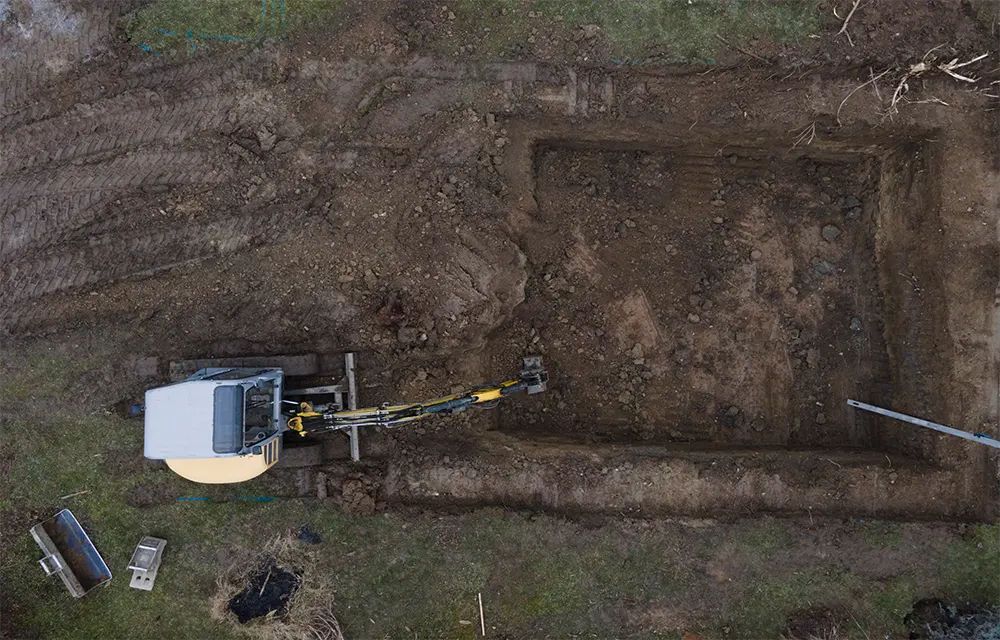
What Happens During a Ground Investigation? A Step-by-Step Guide for Developers and Engineers

Geotechnical Risk Assessment for Major Civil Projects: Building on Solid Ground
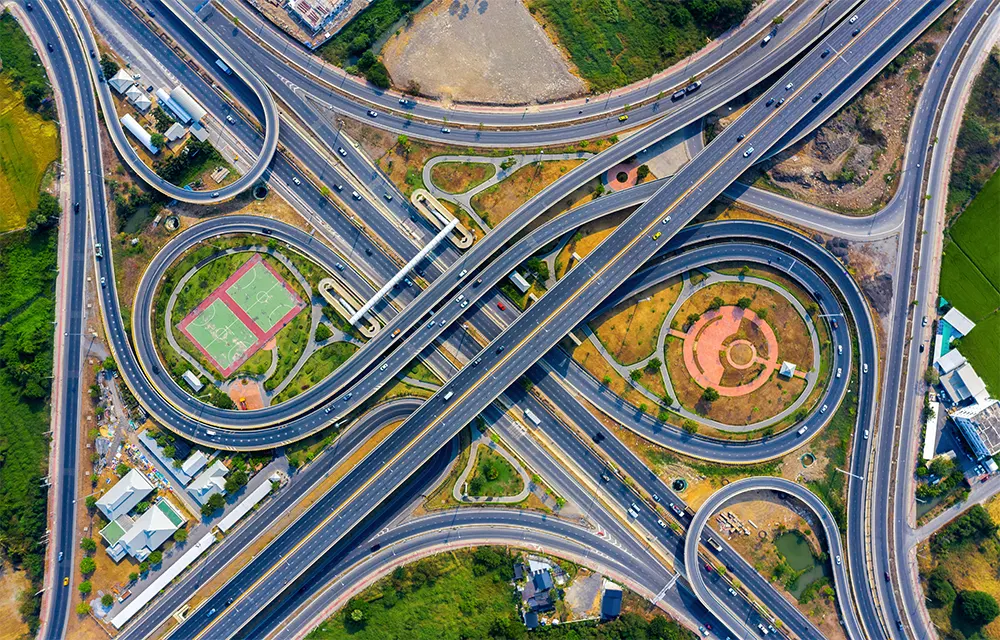
Challenges in Highway and Urban Roadway Design: Balancing Mobility, Safety, and Sustainability

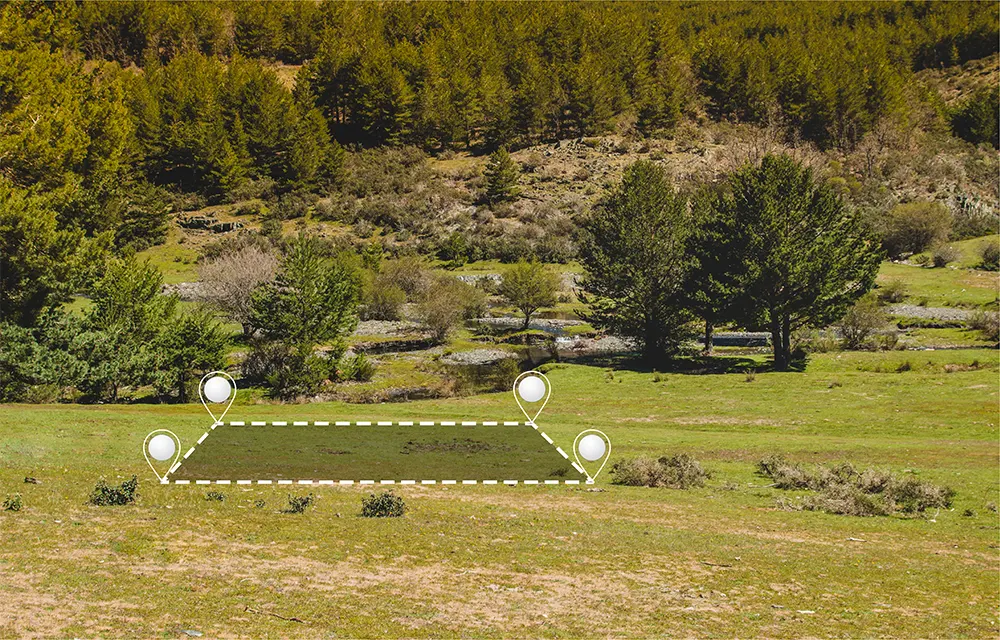
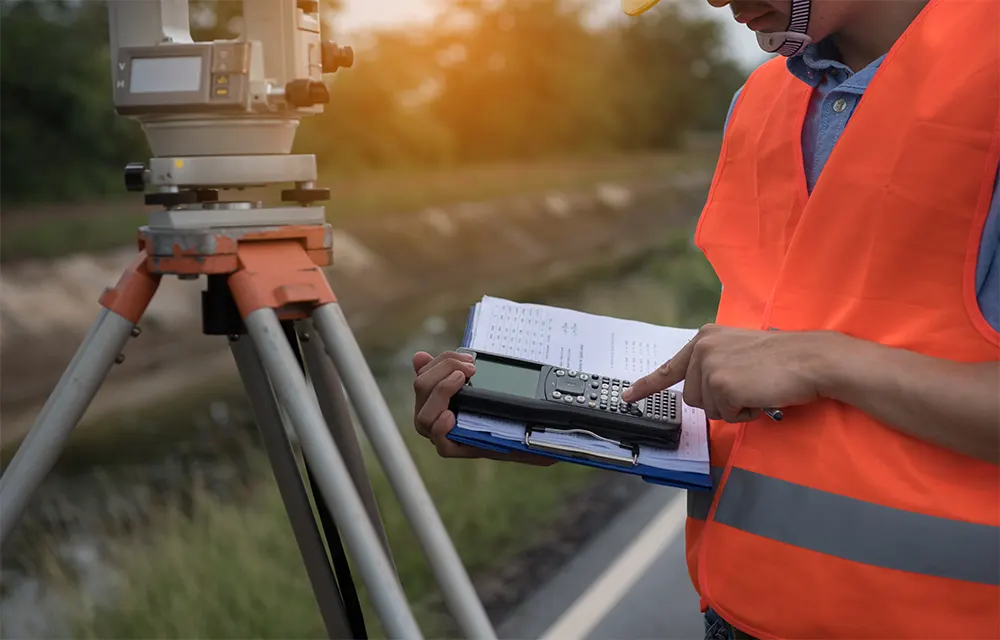

Who Is a Land Surveyor? Understanding Their Role in Construction and Development

Key Considerations in Multi Storey Structural Engineering: Balancing Safety, Functionality, and Efficiency


Different Types of Soil Tests and What They Reveal in Construction and Land Development
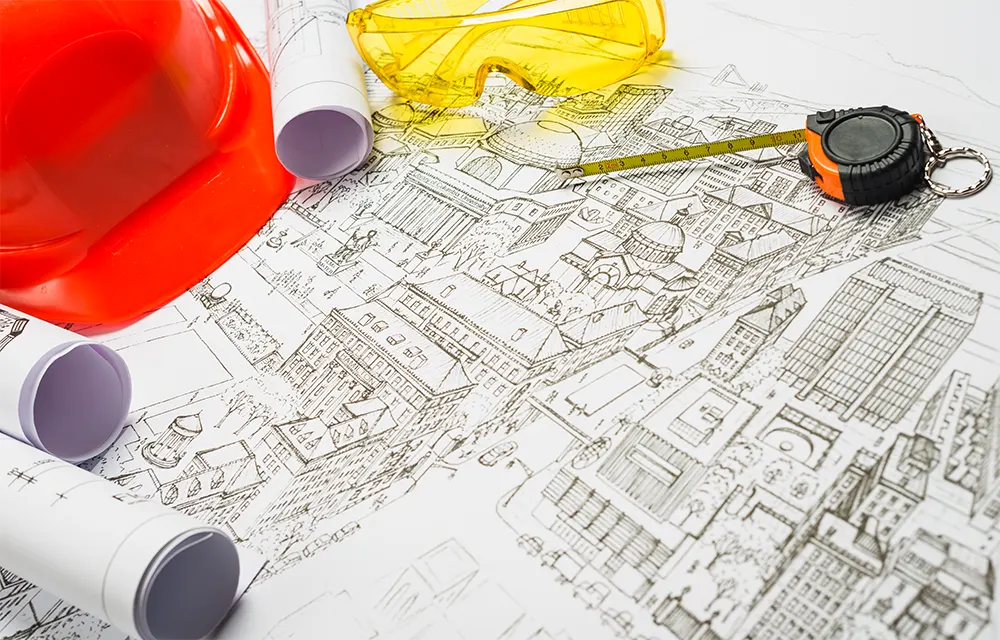
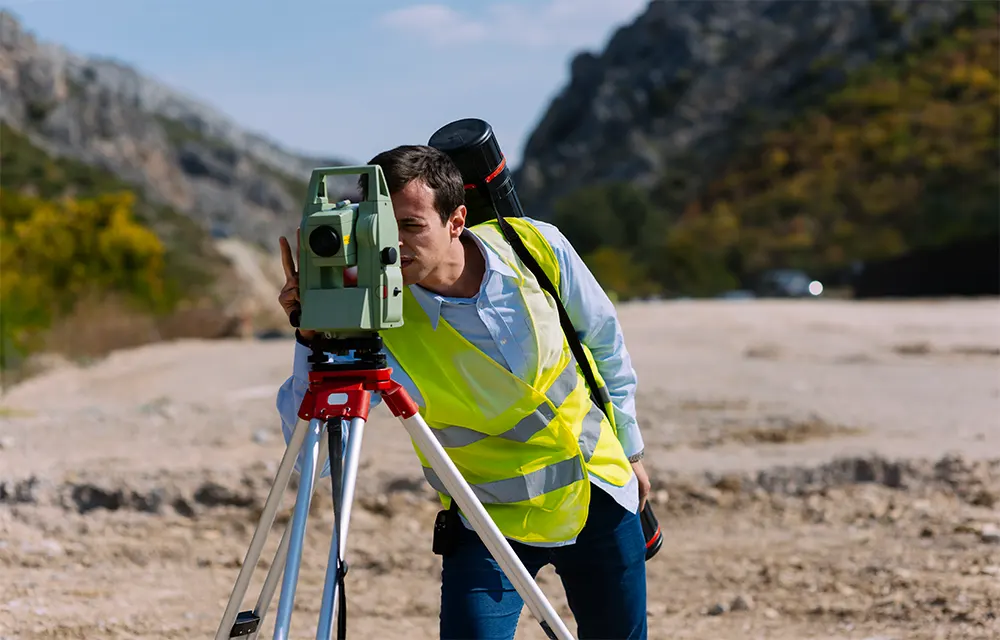
What Is Land Surveying in New Zealand? Understanding Its Role in Development and Construction

Planning Public Transportation Infrastructure in Growing Cities: Smart Solutions for 2026



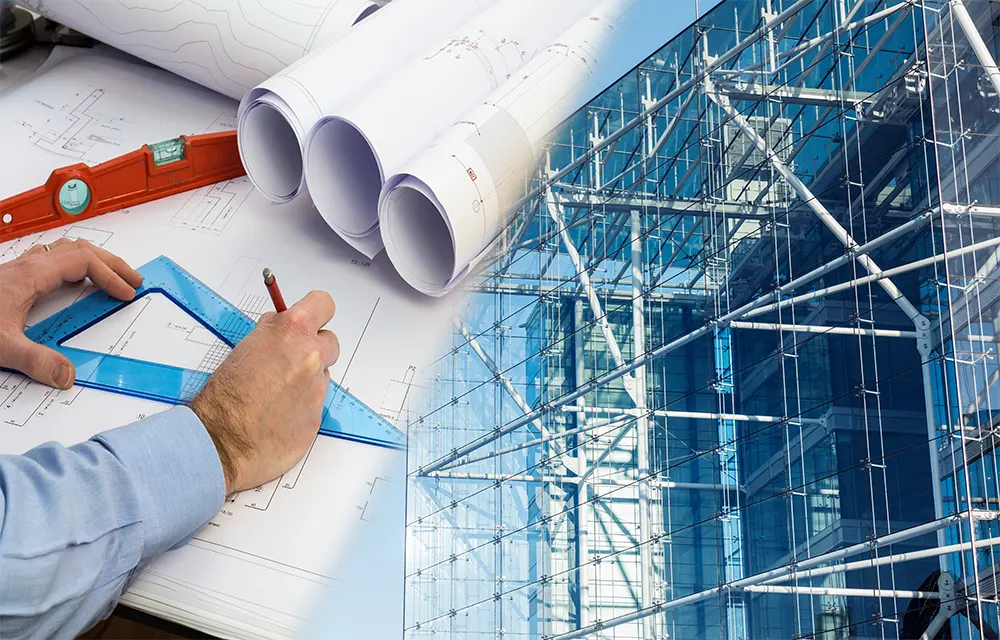
Civil Engineering and Structural Engineering: Understanding the Key Differences and Overlaps

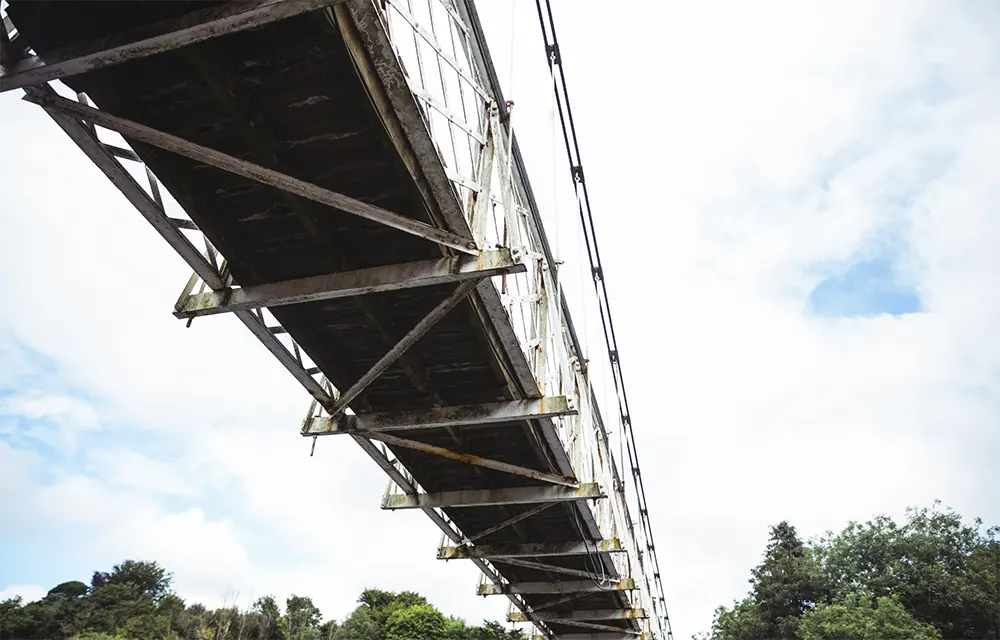
Structural Retrofitting: When and Why It’s Needed in Modern Construction for 2026



The Role of Structural Engineers in Safe Building Design: Ensuring Integrity and Resilience

Responding to Unexpected Conditions in Real-Time: Adaptive Strategies in Civil and Infrastructure Projects
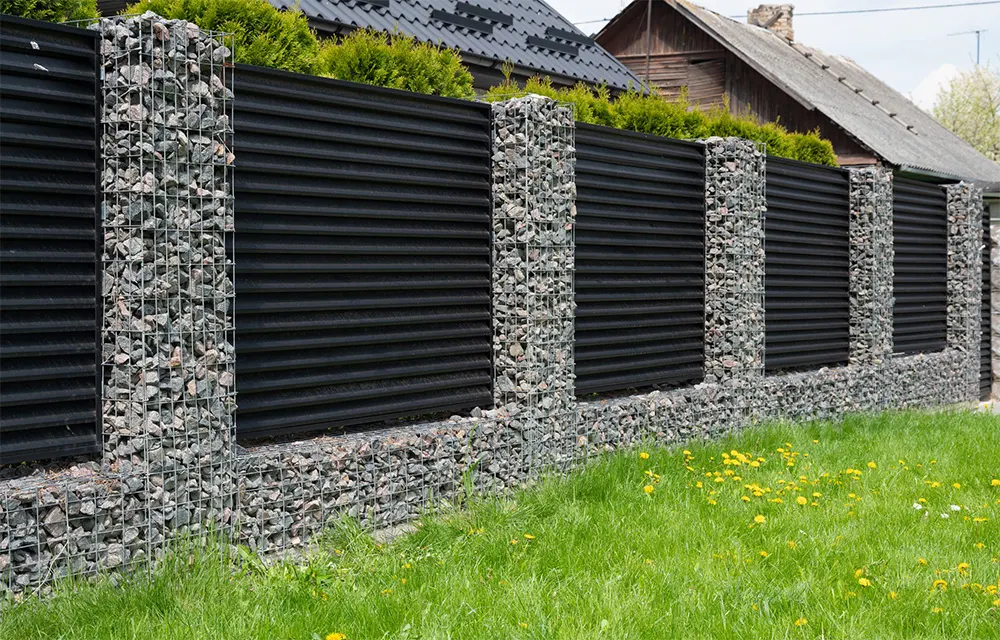
Retaining Wall Design for Steep Slopes: Engineering Stability into Challenging Terrain

Engineering Foundations for Seismic Zones: Designing Earthquake-Resilient Structures from the Ground Up

slope stabilization techniques on Construction Sites: Engineering Solutions for Safe and Lasting Foundations

Soil Testing Standards and Compliance in New Zealand: A Guide for Safe and Sustainable Construction
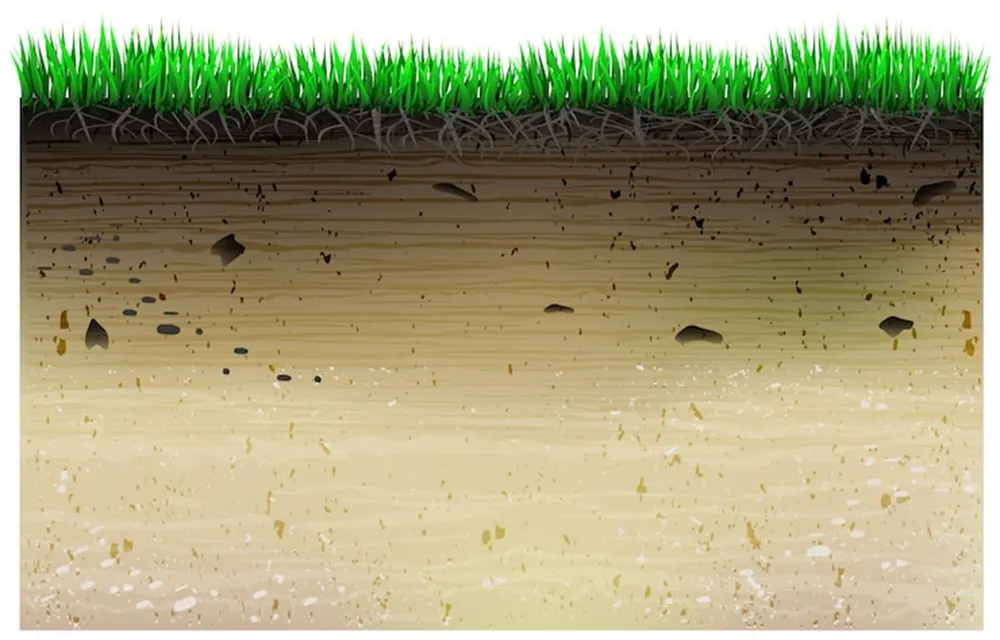
Techniques for Subsurface Ground Characterization in Modern Construction Projects

Road Safety Design Principles for Transport Engineers: Creating Safer Urban and Rural Networks